


10 items that should always be stored in climate controlled units
Many people choose climate controlled storage NYC when they need stable conditions for valuable belongings. These units regulate both temperature and humidity. As a result, they reduce damage caused by heat, cold, and moisture. Standard storage spaces do not offer this protection. Therefore, items may face cracking, mold, or corrosion. For example, wood furniture can warp in high humidity. Electronics may fail after exposure to condensation. Climate-controlled units keep temperatures within a steady range. In addition, they manage moisture levels year-round. This control matters for long-term storage. However, even short-term storage can cause harm during extreme seasons. Sensitive belongings often fall under items that should always be stored in climate controlled units. These include leather, artwork, documents, and musical instruments. Careful selection protects your investment and prevents costly replacement.
1. Wooden furniture is one of the items that should always be stored in climate controlled units
Many people use furniture storage NYC when they need extra space. However, wooden pieces require stable conditions. Wood reacts to temperature and humidity changes. As a result, it expands in heat and contracts in cold. Over time, this movement weakens joints. You may notice cracks along tabletops or loose chair legs. In addition, humidity can cause veneer to peel. Antique and solid hardwood items face even greater risk.
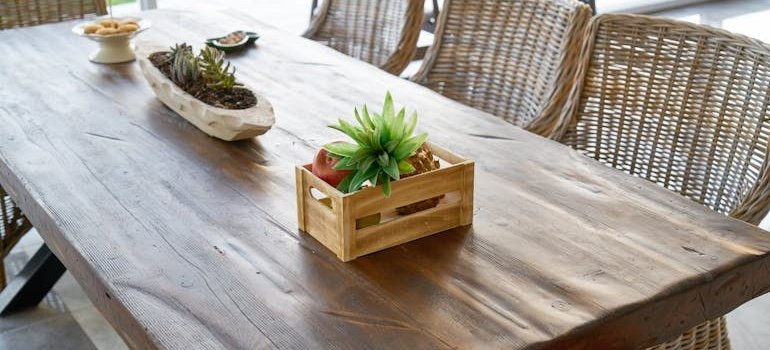
Climate-controlled units help prevent these problems. They maintain steady temperatures and balanced humidity. Ideally, wood stays safe between 55 and 80 degrees. Humidity levels should remain moderate, not excessive. Before storage, clean and dry each piece carefully. Then wrap it with breathable covers. Avoid plastic that traps moisture. Remove shelves or detachable parts if possible. This step reduces pressure on joints. When you store wooden furniture correctly, you protect its structure and long-term value.
2. Leather furniture and goods require a stable temperature and humidity
Many residents rely on long term storage NYC when they cannot keep large items at home. However, leather furniture needs special care. Heat can dry out leather surfaces quickly. As a result, cracks may appear along cushions and armrests. At the same time, damp air creates another risk. Mold can grow on untreated leather in humid spaces. In addition, sunlight and high temperatures may cause fading and discoloration.
Before placing leather items in storage, clean them thoroughly. Then apply a quality leather conditioner. This step keeps the material flexible. After that, wrap the piece with breathable fabric covers. Avoid direct plastic wrapping. Plastic traps moisture and blocks airflow. Consequently, mildew may develop beneath the surface. You should also store leather away from direct unit walls. Interior placement reduces exposure to temperature shifts. When you control both heat and humidity, you extend the life of your leather goods and preserve their appearance.
3. Electronics and appliances are items that should always be stored in climate controlled units
Businesses often use commercial storage units NYC when offices relocate or upgrade equipment. For example, companies may need to store computers and servers during renovations. However, electronics react quickly to temperature changes. Internal condensation can form when warm air meets cold surfaces. As a result, moisture may damage sensitive components. Circuit boards can corrode over time in humid conditions. In addition, batteries inside devices may leak if exposed to heat.

You should prepare each device before storage. First, unplug and clean all equipment. Then remove batteries when possible. Wrap TVs, computers, and gaming systems in anti-static covers. Avoid stacking heavy items on top of screens. Kitchen appliances with digital panels also require care. For instance, microwaves and smart refrigerators contain circuit boards. Therefore, store them upright and dry. Climate control reduces the risk of corrosion and internal failure. When you protect electronics properly, you avoid expensive repairs and replacement costs.
4. Artwork and framed collectibles need controlled environments
Collectors often choose climate controlled storage Bronx to protect valuable artwork. Paintings and framed pieces react to heat and moisture. Canvas can warp when humidity rises. As a result, paint may crack over time. Paper items also suffer in unstable conditions. Documents and prints may yellow in excessive heat. In addition, moisture can cause stains and mold spots. Wooden frames expand and contract with temperature shifts. This movement can loosen joints or split corners.
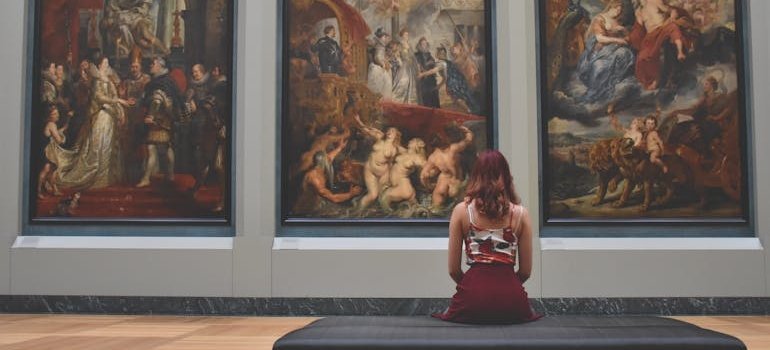
You should prepare the artwork carefully before storage. First, wrap each piece in acid-free paper. Then add a layer of bubble wrap for cushioning. Store framed art upright, not flat. This position reduces pressure on glass and frames. Photographs require extra care. Use archival sleeves to prevent sticking and fading. Insurance also plays a role. High-value pieces may need documented coverage. Climate control reduces risk, but proper packing adds protection. When you combine stable conditions with careful handling, you preserve artwork for years.
5. Musical instruments are highly sensitive to climate changes
Musicians often rely on climate controlled storage Manhattan when space at home feels limited. However, instruments react quickly to temperature changes. Guitars and violins contain thin wood panels. As a result, dry air can cause cracking along the body or neck. Pianos also face tuning instability in fluctuating conditions. Even small shifts in humidity affect string tension. Brass instruments may corrode in damp air. Therefore, these are clear examples of items that should always be stored in climate controlled units.
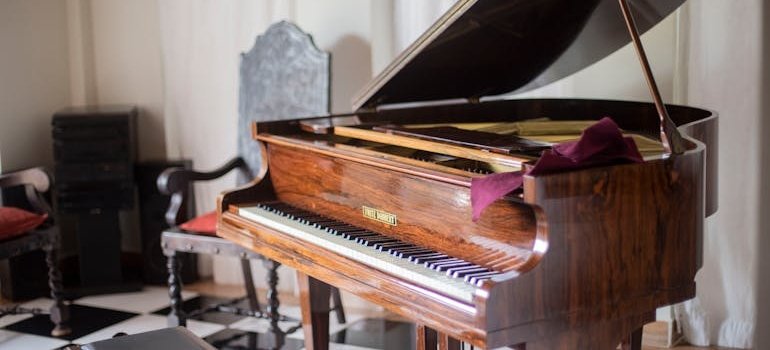
You should aim for steady humidity levels between 40 and 50 percent. This range protects wood and metal parts. In addition, use hard protective cases for each instrument. Cases add insulation against minor shifts. Drum skins also require attention. Tight skin may loosen in humidity or crack in dry air. Clean brass before storage to reduce corrosion risk. Avoid placing instruments directly on concrete floors. Elevate them on shelves when possible. Stable conditions preserve sound quality and structural integrity over time.
6. Documents, books, and records are items that should always be stored in climate controlled units
Students often use student storage NYC during moves or semester breaks. However, paper materials need stable conditions. Documents can absorb moisture from humid air. As a result, pages may wrinkle or stick together. Mold and mildew can form quickly in damp units. In addition, heat can fade printed text and signatures. Important contracts and certificates may lose clarity. Vinyl records also react to temperature changes. High heat can cause warping, which affects sound quality.
You should store paper items in archival storage boxes. These boxes reduce light and moisture exposure. Place silica gel packs nearby to control humidity. Avoid sealing documents in plastic without airflow. For vinyl records, keep them upright inside sturdy sleeves. Do not stack them flat. Legal files and historical records deserve extra protection. Replacing them can be costly or impossible. Therefore, climate control protects both financial and sentimental value. Stable conditions help preserve ink, paper, and sound quality for years.
7. Clothing, fabrics, and textiles can deteriorate without climate control
Clothing and textiles often rank among the items that should always be stored in climate controlled units. Fabrics absorb moisture from the air. As a result, damp conditions can lead to mold growth. You may notice dark spots or a musty odor on stored garments. In addition, extreme heat weakens fabric fibers. Over time, materials may become thin or brittle. Delicate items such as wedding dresses and heirloom garments face even greater risk. Lace, silk, and embroidery can discolor or tear.

You should clean all clothing before storage. Dirt and oils attract mold and insects. After cleaning, place garments in breathable garment bags. Avoid plastic covers that trap moisture. Fur and leather jackets also require airflow. Therefore, hang them properly and avoid folding. Vacuum sealing works for some fabrics. However, it may compress delicate fibers. Use this method only for sturdy items like cotton bedding. Place moisture absorbers inside the unit for added protection. When you control temperature and humidity, you preserve texture, color, and structure for years.
8. Vehicles and motorcycles benefit from climate-controlled storage
Owners often choose vehicle storage NYC when parking space becomes limited. However, cars and motorcycles react to temperature changes. Extreme heat can affect engine components. Rubber hoses and seals may dry out over time. In contrast, freezing temperatures stress metal parts. As a result, fluids can thicken and reduce performance. Moisture also creates serious problems. Damp air leads to rust on exposed metal surfaces. In addition, condensation may form inside exhaust systems.
Interior materials need protection as well. Leather seats can crack in dry heat. Vinyl dashboards may fade or warp. Therefore, climate control helps maintain stable conditions. You should disconnect or maintain the battery before storage. A battery tender prevents power loss. Classic and luxury vehicles require extra care. Their parts may be costly or difficult to replace. Prepare the fuel system properly. Add a fuel stabilizer to prevent breakdown. Inflate tires to the recommended pressure. Stable storage conditions preserve both mechanical function and appearance over time.
9. Photographs and sentimental keepsakes are items that should always be stored in climate controlled units
Family memories deserve careful protection. Old photographs react quickly to heat and humidity. As a result, colors may fade over time. High moisture can also cause photos to stick together. When this happens, separating them may cause tearing. Scrapbooks face similar risks. Glue weakens in heat, and pages may wrinkle in damp air. Film and negatives are even more sensitive. Temperature swings can damage image quality permanently. These belongings often fall under items that should always be stored in climate controlled units.

You should prepare keepsakes with archival materials. Use acid-free photo boxes and sleeves. Avoid standard plastic containers that trap moisture. In addition, store albums upright to reduce pressure. Keep items away from direct light inside the unit. For long-term preservation, maintain a steady temperature and moderate humidity. Label boxes clearly to prevent unnecessary handling. Each photograph may hold irreplaceable value. Replacing a damaged couch is possible. Replacing a childhood photo is not. Stable storage conditions protect both the image and the memory attached to it.
10. Medical supplies and temperature-sensitive household goods
Medical and household products often require stable temperatures. Over-the-counter medications can lose strength in heat. As a result, pain relievers and allergy tablets may become less effective. Liquid medicines may separate when exposed to cold. In addition, cleaning solutions can change consistency. Some products may even leak or degrade. Cosmetics and skincare products also react to temperature shifts. Creams may melt in heat and harden in cold. Therefore, stable storage protects both safety and performance.
You should always check storage labels before placing items in a unit. Expiration dates matter, especially for health products. Specialized health equipment also needs care. For example:
- CPAP machines contain sensitive electronic parts.
- Blood pressure monitors rely on accurate internal components.
- Nebulizers include plastic parts that may warp in heat.
Keep original packaging when possible. This step protects instructions and expiration details. Avoid stacking heavy boxes on delicate equipment. Place moisture absorbers nearby to reduce humidity. When you control temperature and review labels carefully, you reduce safety risks and preserve product quality over time.
Choosing climate control to protect long-term value
Climate control protects more than physical objects. It protects long-term value. Temperature and humidity shifts cause gradual damage. However, stable conditions reduce that risk. You should evaluate each belonging before choosing a storage type. Consider material, age, and replacement cost. For example, wood, leather, electronics, and documents require steady environments. These often fall under items that should always be stored in climate controlled units. Short-term savings on standard units may lead to expensive repairs later. In contrast, climate control supports preservation and safety. It also protects sentimental and historical value. When you make informed storage decisions, you reduce loss and extend the life of your belongings.
Reviews

Pavel Nikolskii
a month ago

This is my first experience renting a mini storage unit. I really liked it. Clean, quiet, calm, warm. There are convenient places to unload the car. Convenient access from the street. There is also a ramp for a cart. There are several spacious elevators. All elevators are clean and work. The storage unit itself has wooden flooring. Not far from the subway station. The polite employee patiently explained to me everything I wanted to know. Answered all my questions. Showed me several different storages. Explained the pricing. I am happy that I finally have a good place to store my things.


