


Properly preparing items for long-term storage
When it comes to storing your belongings for an extended period, proper preparation is key. If you’re using full service storage NYC residents love, taking the time to prep can save you a lot of headaches later. Storing furniture, electronics, or sentimental items correctly helps protect them from damage and makes retrieval easier. In this guide, we’ll discuss properly preparing items for long-term storage so that everything stays safe and is easy to find when you need it.
Clean before storing
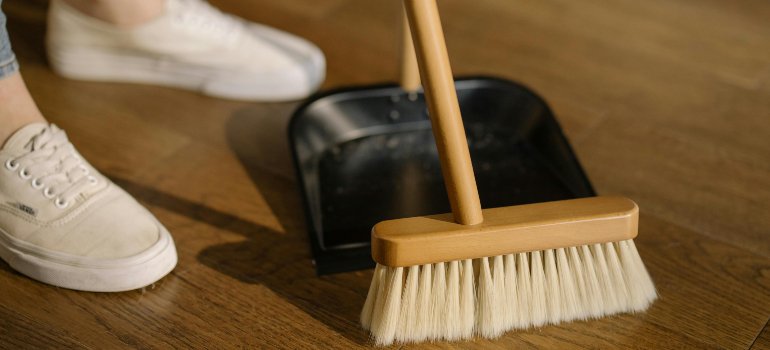
Before storing anything, a quick clean-up can make a huge difference. Dust, dirt, and stains can get considerably worse over time. Hence, it is necessary to wipe down your furniture, vacuum or wash fabrics, and make sure your electronics are clean. This will help keep things fresh and mold-free while they’re in storage. The little bit of extra work upfront will save you from surprises when you pull things out later. If you are looking for extra convenience, storage companies that pick up can simplify the process even further. Once you clean your items properly, you can stop worrying about anything else.
Use quality packing materials
The materials you use to pack your items can make a significant difference in their preservation. Bubble wrap, sturdy boxes, and climate-resistant materials are essential when preparing items for long-term storage. Fragile items such as glassware or electronics benefit greatly from extra padding like bubble wrap. Sturdy boxes will help maintain the structure and avoid crushing, while climate-resistant materials prevent moisture or temperature changes from harming your possessions. If you opt for a storage rental NYC locals trust, having durable materials ensures your items are well-protected during transit and throughout storage.
Disassemble large furniture
Is your bulky furniture taking up a lot of precious space? Disassemble it! Large pieces like bed frames, shelves, and tables can be tricky to store in one piece. Taking them apart helps save space and reduces the chance of them getting damaged. Just remember to keep all screws and small parts in labeled bags so you know where everything is when it’s time to put it back together.
Label everything clearly
Labeling might seem obvious, but it’s a step many people forget until they’re staring at a mountain of identical boxes. To make things easier on yourself, label boxes on multiple sides and write down exactly what’s inside. Keeping a list of what’s stored where is also a great idea. This will save you from tearing through boxes trying to find one thing later. A little organization goes a long way when you’re preparing items for long-term storage.
Choose climate-controlled storage
Some items don’t handle heat, cold, or humidity very well. Electronics, important documents, and artwork can all be damaged by changes in temperature. That’s why it’s smart to go with climate-controlled storage. It keeps the environment stable, so you don’t have to worry about things warping or getting ruined. If you’re storing valuable or delicate items, this step is a must. Consider climate-controlled storage for items like:
- Electronics (TVs, computers, and audio equipment)
- Important documents (legal papers, certificates, and archives)
- Artwork (paintings, sculptures, and photographs)
- Wooden furniture (prevents warping and cracking)
- Musical instruments (guitars, pianos, and string instruments)
- Delicate fabrics (vintage clothing, linens, and tapestries)
For more information on best practices for preserving sensitive items, ensure you follow guidelines related to temperature and humidity control to reduce the risk of damage.
Opt for plastic bins
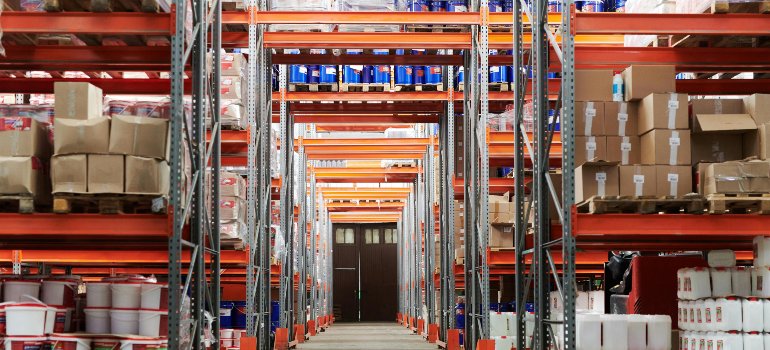
Cardboard boxes work fine for short-term storage, but plastic bins are a much better option for long-term use. Plastic bins are sturdier, keep moisture out, and are less likely to get damaged by pests. If you’re planning on long term storage NYC residents tend to use, plastic bins offer an extra layer of protection that cardboard can’t. Clear bins are especially helpful since they allow you to see the contents without needing to open them. This adds another level of convenience when preparing items for long-term storage.
Elevate items to avoid moisture
One simple trick to avoid moisture damage is to raise your boxes off the ground. You can do this with pallets or shelving units. By keeping your items elevated, you’re reducing the chances of water damage, especially if your storage area is prone to dampness or flooding. It’s a small step, but it makes a big difference in protecting your stuff.
Organize for easy access
When packing up your storage space, think about which items you’ll need to access sooner rather than later. Put things you might use more frequently toward the front, and less-used items can go in the back. This makes it easier to grab what you need without having to dig through everything else. A little planning now will make life easier down the road.
Check on items regularly
Even though your items are safely tucked away, it’s a good idea to check on them from time to time. Make it a habit to visit your storage unit and make sure everything is still in good shape. Look out for any signs of moisture, pests, or other issues that could damage your items. Regular check-ins will give you peace of mind and ensure that your belongings stay safe over the long term.

Proper prep equals long-term success
Taking the time to properly prepare items for long-term storage is well worth the effort. Cleaning, packing carefully, and organizing your space ensures your belongings will stay in great shape, ready for use whenever you need them. With the right steps in place, preparing items for long-term storage ensures everything remains in top condition for years to come.
Reviews

Pavel Nikolskii
a month ago

This is my first experience renting a mini storage unit. I really liked it. Clean, quiet, calm, warm. There are convenient places to unload the car. Convenient access from the street. There is also a ramp for a cart. There are several spacious elevators. All elevators are clean and work. The storage unit itself has wooden flooring. Not far from the subway station. The polite employee patiently explained to me everything I wanted to know. Answered all my questions. Showed me several different storages. Explained the pricing. I am happy that I finally have a good place to store my things.


