


The Right Way to Pack and Store Large Furniture Items
Packing and storing large furniture might seem like a hassle, but doing it the right way can save you a lot of trouble down the road. Whether you’re moving, renovating, or just trying to free up space, learning how to properly pack and store large furniture makes all the difference. When furniture isn’t handled with care, it can easily get scratched, broken, or warped. This can especially happen during moves or while in storage. Poor packing can also lead to extra costs and headaches when it’s time to use your items again. But when you take the time to do it right, you’ll protect your belongings, keep them in great condition, and make your storage space more efficient. If you’re using a trusted facility like NYC Mini Storage, it’s worth making sure your items are packed safely and securely before they go in. A little extra effort now can go a long way in keeping your furniture safe, clean, and ready to use whenever you need it. Let’s break down the right way to handle it all.
Assess Before You Pack: What’s Worth Keeping or Storing?
Before you start wrapping up everything in sight, take a step back and assess what’s actually worth keeping or putting into storage. Not all furniture is created equal. Some pieces might be too worn out to save, while others could be perfect candidates for your NYC apartment storage unit. Start by going room to room and looking at each item. Ask yourself: Is it in good condition? Will I use it again soon? Does it hold sentimental or monetary value? If the answer is yes, it’s probably worth storing. But if something is broken, outdated, or simply collecting dust, it might be time to sell, donate, or toss it.
This is also a great time to plan what to pack first and save for last. Start with items you use less often—like that extra armchair or spare dining table. Leave daily essentials for the end. Sorting early helps you stay organized and makes the actual packing process smoother. Taking the time to evaluate your furniture before packing doesn’t just clear up space. It also ensures you’re only storing items that truly matter, making the most of your storage.

Clean and Prep First: Don’t Store Dirt or Damage
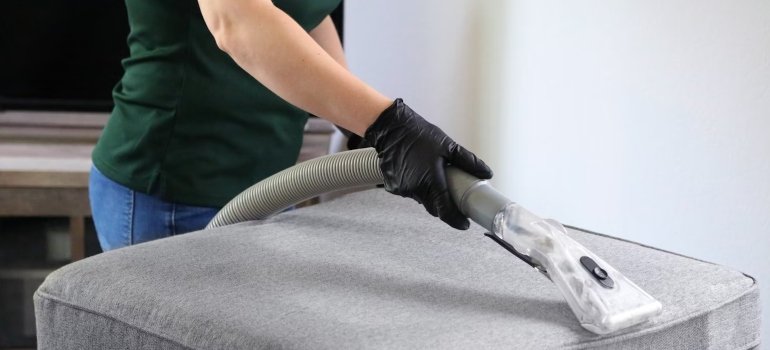
Before you pack and store large furniture, it’s important to give your furniture a little TLC. Storing items without cleaning or prepping them properly can lead to permanent stains, musty smells, or even damage over time—especially in long-term storage. Start by wiping down all surfaces with a gentle cleaner. For wood furniture, use a wood-safe polish; for fabric pieces, a quick vacuum or fabric-safe cleaner will do the trick. Make sure everything is completely dry before moving on to the next step. Trapping moisture in storage can lead to mold or mildew.
Next, disassemble larger items like beds, tables, or sectionals if possible. This not only makes them easier to move but also helps prevent stress on joints or hardware during transport. Be sure to keep screws, bolts, and any small parts in clearly labeled bags so reassembly is easy later. Finally, protect all surfaces. Use moving blankets, bubble wrap, or furniture pads to cushion your pieces and prevent scratches or dents. Even if you’re using a secure facility like furniture storage Bronx NY, added protection goes a long way.
If you’re searching for storage near me Bronx, you’ll find plenty of great options. However, no matter where you store, proper prep is key. A little time spent cleaning and protecting your items now means they’ll be in great shape when you need them again.
Wrap It Right: Materials That Actually Work
Once your furniture is clean and disassembled, it’s time to wrap it properly. Using the right materials makes a huge difference in preventing scratches, dings, and other damage—especially during a move or while in storage. If you’re wondering how to pack furniture while moving, the key is using materials that cushion and protect every surface.
Here are some essentials that really work:
- Furniture blankets: These thick, padded covers are perfect for wrapping large items like dressers, tables, and sofas. They help prevent surface scratches and absorb bumps during transit.
- Plastic wrap: Stretch wrap is great for keeping drawers and cushions in place, and it adds a protective layer against dust and moisture. Just be careful not to wrap directly over delicate materials like leather or wood without padding underneath. Considering that it can trap moisture and cause damage.
- Padding and foam sheets: Use these on corners and delicate edges for extra protection. Foam sheets or edge protectors are especially helpful for glass tops, mirrors, or detailed woodwork.
- Cardboard sheets: Placing flat cardboard pieces between stacked items adds stability and prevents pressure marks.
Learning how to pack furniture the right way means thinking about both protection and ease of transport. With the right materials, your furniture will stay safe whether you’re storing it short-term or placing it in a secure unit for the long haul.
Disassemble for Safety and Space
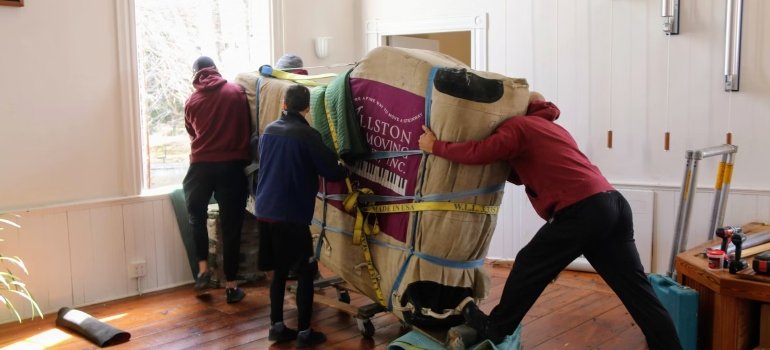
When you pack and store large furniture, taking it apart can save you a lot of hassle. Disassembling items not only helps prevent damage, but it also makes loading, stacking, and fitting everything into your storage units Fordham NY much easier. Start with items that are designed to come apart. Think about bed frames, dining tables, bookshelves, and large desks. Remove legs, headboards, shelves, and any detachable parts. This reduces the chance of pieces snapping or bending during the move and allows you to use your storage space more efficiently.
To keep things organized, place all screws, bolts, and small hardware in labeled plastic bags. Tape the bag securely to the main piece of furniture or store all hardware bags in one clearly marked box. If possible, take a photo before disassembly so you’ll know exactly how to reassemble it later. By breaking down your furniture carefully, you’ll reduce the risk of damage, make lifting safer, and fit more into your storage without cramming or stacking in risky ways.
Smart Packing Techniques for Moving or Storage
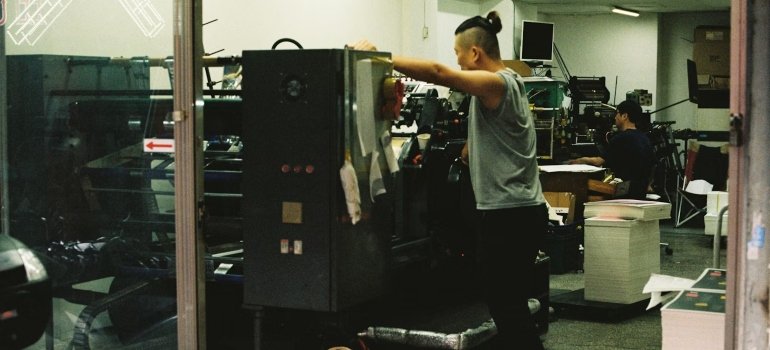
Packing large furniture isn’t just about wrapping it up. It’s also about how you move, position, and store each piece. Whether you’re preparing for a move or making use of a storage pickup service, using smart packing techniques helps protect your items and makes the process smoother from start to finish. Start with safe lifting. Always lift with your legs—not your back—and ask for help with heavier pieces. Using furniture sliders or a dolly can also make a big difference when navigating tight hallways or doorways.
When loading furniture into a truck or storage unit, position heavier items on the bottom and lighter ones on top. Avoid stacking anything too high or on uneven surfaces, as it can cause tipping or pressure damage. Keep frequently used items toward the front so they’re easier to access.
Leave space between pieces when possible to allow for air circulation and to prevent surfaces from rubbing or scratching against each other. If you’re working with a storage pickup NYC company, label your items clearly and guide them on how you’d like things stacked or arranged. Do this especially if some items are more fragile than others. With the right techniques, your furniture will stay safe, organized, and easy to retrieve whenever you need it.
Climate Control: Does Your Furniture Need It?
Not all storage units are created equal. When it comes to protecting certain types of furniture, climate-controlled storage can make a big difference. If you’re storing wood, leather, or upholstered pieces, it’s worth considering whether temperature and humidity changes could cause long-term damage. Wood furniture is especially sensitive to extreme heat, cold, or moisture. It can warp, crack, or swell if the environment isn’t stable. Leather, too, can dry out or develop mildew if it’s stored in a damp or unregulated space. Even fabric-covered furniture can be affected by moisture, leading to mold or unpleasant odors over time.
That’s where climate-controlled units come in. These spaces maintain a consistent temperature and humidity level year-round, offering ideal conditions for preserving your valuable pieces. If you’re already investing in vehicle storage NYC or other specialty storage services, climate control might be a smart add-on for your furniture as well—especially for long-term storage. In short, if your furniture is high-value, sentimental, or made from sensitive materials, climate-controlled storage is the best way to keep it in top shape no matter the season.
Protecting Upholstery and Mattresses
Upholstered furniture and mattresses need extra care when you pack and store large furniture. These items are especially vulnerable to dust, moisture, and mold. That is why wrapping and covering them properly is a must, especially if you’re using self storage East Tremont or any long-term unit. Start by cleaning the fabric with a vacuum or fabric-safe cleaner and make sure everything is fully dry before packing. Moisture trapped in cushions or mattresses can lead to mold and mildew, even in a clean storage space.
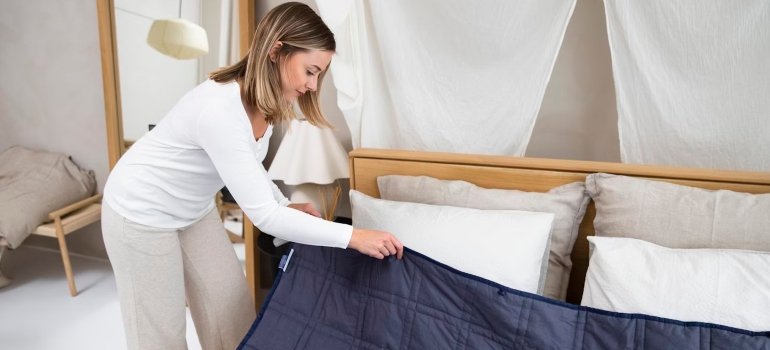
Wrap upholstered furniture in breathable covers or moving blankets. Avoid using plastic wrap directly on fabric, as it can trap moisture and cause odors or mildew. Instead, use specially made mattress or furniture covers that allow airflow while keeping out dust and dirt. When placing these items in your storage unit, stand mattresses upright to save space and keep them off the floor using pallets or a tarp to avoid direct contact with concrete. For couches or chairs, don’t stack anything on top to prevent permanent indentations or damage to the upholstery.
With a little extra prep, your fabric items will stay clean, fresh, and ready to use when you need them again.
Long-Term Storage? Here’s What to Know
If you’re planning to store furniture for several months—or even longer—it’s important to go beyond basic packing. Long-term storage requires a few extra steps to keep your items in good shape over time. It does not matter what type of storage you are using, these tips will help protect your belongings for the long haul.
- Allow for airflow: Avoid sealing furniture too tightly in plastic. Instead, use breathable covers that keep out dust while allowing air to circulate. Also, leave a little space between items in your unit so air can move around them. This helps prevent moisture buildup and reduces the risk of mold and mildew.
- Do periodic checks: If possible, visit your storage unit every few months. Check for signs of moisture, dust buildup, or pests. Early detection can save you from costly damage later.
- Pest prevention: Clean everything thoroughly before storing, especially upholstered items. Avoid storing food or anything scented that might attract rodents or insects. You can also place pest deterrents—like cedar blocks or storage-safe traps—in corners of the unit for added protection.
- Prep for the long term: Elevate furniture off the floor with pallets or plastic sheets to avoid contact with concrete, which can trap moisture. Secure loose parts and cover sharp edges to prevent accidental wear or damage.
With the right precautions, long-term furniture storage doesn’t have to be stressful. A bit of planning now will help ensure your items stay clean, dry, and ready for use. It won’t matter for how long they’re packed away.
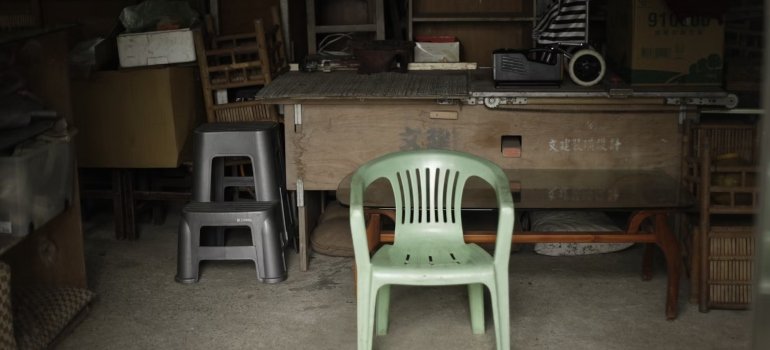
Skip the Guesswork—Ask the Experts
Packing and storing large furniture doesn’t have to be overwhelming. With the right materials, techniques, and a little planning, you can keep your pieces safe, clean, and in great condition for as long as needed. But if you’re unsure where to start it’s always a smart move to get help from professionals. Whether you’re preparing for a move, clearing space, or using a service like NYC Mini Storage, expert movers and storage specialists know exactly how to pack and store large furniture the right way. They can help you avoid common mistakes, protect valuable pieces, and make the entire process a lot less stressful. Instead of guessing your way through it, reach out for advice or take advantage of services like storage pickup, wrapping assistance, or custom packing solutions. Your furniture is worth protecting. With the right support, you’ll know it’s in good hands.
Reviews

Pavel Nikolskii
a month ago

This is my first experience renting a mini storage unit. I really liked it. Clean, quiet, calm, warm. There are convenient places to unload the car. Convenient access from the street. There is also a ramp for a cart. There are several spacious elevators. All elevators are clean and work. The storage unit itself has wooden flooring. Not far from the subway station. The polite employee patiently explained to me everything I wanted to know. Answered all my questions. Showed me several different storages. Explained the pricing. I am happy that I finally have a good place to store my things.


