


The Ultimate Storage Checklist for New Homeowners
Moving into a first home feels exciting, and a clear storage plan keeps that feeling strong long after moving day. A thoughtful system protects belongings, limits clutter, and saves time during busy weeks when life still feels unsettled. New owners often underestimate the need for boxes, space, and labeling, which leads to frustration and avoidable rework later. Using a storage checklist for new homeowners sets expectations, organizes tasks, and guides smart decisions about space and supplies. Local options such as extra space storage NYC can also solve tight urban footprints with flexible unit choices and helpful amenities. A plan also reduces stress during renovations and seasonal swaps. Families gain confidence when everything has a labeled home they can find fast. Clear storage zones also boost safety by keeping pathways open, especially around stairs and utility access points. Start early, set clear rules, and stick to them through small weekly adjustments.
Essential Packing Supplies You’ll Need
The right supplies make packing easier, keep your valuables safe, and save time when you need to retrieve items. For new homeowners, fresh boxes in multiple sizes, heavy-duty tape, bubble wrap, and sturdy moving blankets or pads are must-haves. Permanent markers, preprinted labels, and a handheld label maker prevent endless guessing in dark attics or basements. Mattress bags, sofa covers, and TV protectors shield fabric and screens from dust, scuffs, and moisture.
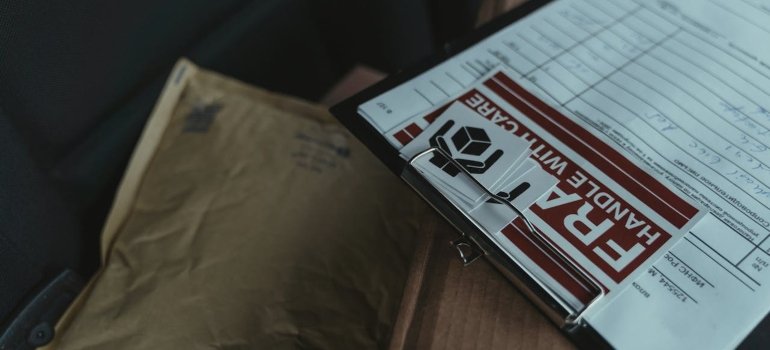
Clear plastic bins work well for quick identification, while cardboard boxes stack neatly for short-term storage. Silica gel packets help protect clothing and décor in humid months, while stretch wrap secures drawers and cushions without snagging on doorways or rails. For added protection, keep items off the floor with pallets or risers, and use plastic sheeting for moisture control.
Here’s your supply list:
- Boxes in assorted sizes
- Packing tape and a tape gun
- Bubble wrap and packing paper
- Furniture pads, sofa covers, mattress bags
- Permanent markers, labels, label maker
- Clear bins for easy visibility
- Stretch wrap and zip-top parts bags
- Silica gel packets and plastic sheeting
- Pallets or risers for airflow
- Lock, utility knife, zip ties, and a tool caddy
Keep a tape gun, box cutter, zip ties, and zip-top parts bags in a clearly labeled tool caddy. City dwellers managing limited closets can benefit from nearby options. Exploring storage Lower East Side makes it easy to restock supplies without extra hassle.
Choosing the Right Storage Unit Size
Match unit size to actual contents, not rough guesses, and plan aisles for safe access to often-used items. A 5×5 handles small shelving, several bins, and a compact office setup or set of seasonal decorations. A 5×10 fits a mid-sized bedroom set, a queen mattress, several medium boxes, and a small appliance or two. A 10×10 usually holds two bedroom sets, dining chairs, lamps, and stacked bins with clear access down the middle. A 10×15 can take multiple rooms, larger appliances, and bikes, while still leaving narrow walkway space for retrieval. A 10×20 mirrors a one-car garage and typically fits living room sets, appliances, and a small car if needed. A 10×25 or 10×30 works for bigger households, larger equipment, small workshops, or vehicles with extra clearance requirements. Drivers needing car storage NYC typically look for 10×20 as a baseline, with longer units for trucks and SUVs.

Ask facilities about ceiling heights, since cubic feet matter for tall wardrobes and upright appliance storage. Reserve slightly bigger when uncertain, so you can keep a center aisle and avoid dangerous stacking. Confirm onsite carts, elevator access, and drive-up options, which change the loading plan and the time required.
Climate-Controlled Storage: Protecting Your Valuables
Climate control reduces temperature swings and humidity that damage electronics, wood furniture, photographs, records, and musical instruments. Many climate-controlled facilities maintain approximately 55-85°F with humidity management to curb warping, cracking, mold, and corrosion over time. Electronics and media last longer in stable conditions because condensation and heat cycles can shorten component life.
Wood tables and guitars prefer steady environments because expansion and contraction loosen joints and finishes. Photos and documents stay flatter and cleaner when stored cool, dry, and away from attics and damp basements. Climate rooms also help leather, artwork, and certain collectibles with adhesives or resins that dislike heat and moisture. Consider vehicle storage NYC options with indoor spaces for classic cars, motorcycles, and e-bikes needing stable temperatures. Ask about sealed doors, building insulation, and dehumidification equipment, especially in coastal or high-humidity regions. Pack sensitive items in sturdy containers and add desiccants, then keep bins off the floor on risers. Place an inexpensive hygrometer inside the unit to monitor conditions and adjust packing if readings trend uncomfortable.
Security Features You Should Check For
Security is one of the most important factors to consider when choosing a storage facility. A reliable system not only deters theft but also ensures a quick response if something seems off. Look for essentials such as recorded surveillance, bright lighting, and individual door alarms. Gated keypad access that logs every entry and exit provides accountability, while cylinder or disc locks offer stronger protection than standard padlocks by minimizing exposed shackles.
Don’t hesitate to ask staff about overnight checks, audit trails, and whether managers live onsite or visit multiple times daily. Request to see camera coverage maps, identify potential blind spots, and ask about video retention timeframes—these details matter if an investigation is needed after an incident. Fenced perimeters, clear sightlines, and controlled access zones for elevators and interior hallways all add extra layers of protection. When comparing providers, search NYC apartment storage facilities that are transparent about their security features rather than hiding behind vague marketing claims. Finally, review your renters’ or homeowners’ policy, and consider storage insurance to cover unexpected events or deductibles for added peace of mind.
Organizing Seasonal and Holiday Items with a Storage Checklist for New Homeowners
Seasonal storage stays organized when you use a clear, consistent system that everyone in the household can follow. Clear bins make contents instantly visible, while color-coded containers by season, holiday, or activity speed up changeovers. Add moisture absorbers to fabric and décor bins, and keep containers elevated on shelves or pallets in basements or garages to protect them from dampness. Fragile ornaments deserve divided boxes or wrapping in packing paper, while wreaths should be stored in dedicated bags or boxes to preserve their shape and finish.

For easy transitions, dedicate one shelf to “Open First” items—extension cords, hooks, batteries, and timers—so decorating doesn’t stall. Sports gear should go into labeled bins or wall racks to keep pads and balls out of walkways. If your building has limited loading zones or strict elevator timeframes, plan with storage pickup NYC services to simplify transport.
A little preparation goes a long way. Photograph box contents and tape printouts to lids for quick scanning next season. Update labels after each holiday to note broken decorations, low supplies, or new ideas for next year.
Storing Furniture and Appliances Safely
Disassemble bed frames and large tables, bag hardware, and tape the bag to an underside panel for quick reassembly. Wrap legs, corners, and high-wear edges with pads or cardboard shields to prevent scrapes during moves and stacking. Stand sofas and mattresses on end when space runs tight, and keep upholstery off floors using risers. Cover mattresses and couches with breathable covers, and avoid direct plastic against fabric for long periods. Load heavy furniture first against walls, stack lighter boxes on top, and keep a walkway through the center aisle.

Clean appliances, drain hoses, and defrost refrigerators fully, then keep doors cracked to prevent odors and mildew growth. Store refrigerators upright, pad exterior corners, and never lay units flat to avoid oil and refrigerant migration damage. Elevate appliances on pallets for airflow and protection from minor water events on concrete floors. Stabilize washers and dryers with straps, and secure cords and hoses inside labeled bags taped to frames. Search furniture storage NYC for facilities that offer wide doors, dollies, and freight elevators for bulky items and appliances.
Important Paperwork and Sentimental Items
Keep vital records, titles, and certificates in acid-free folders or sleeves inside rigid archival boxes for safer handling. Use materials labeled lignin-free and acid-free because unstable plastics and papers can off-gas and discolor documents. Photos benefit from cool, dry storage and should avoid hot attics, damp basements, and direct sun exposure. Store photo prints in archival envelopes or polypropylene sleeves, and avoid PVC because it breaks down over time. Pair boxes with desiccants, then place containers inside climate-controlled units or interior closets away from water heaters.
Keep digital backups of scanned documents on multiple drives and a cloud account with two-factor authentication enabled. Frame heirlooms using UV-filtering glazing and acid-free mats to reduce fading during long displays at home. Spread collections across several containers to reduce loss risk during localized leaks or incidents. Add an index card to each box detailing categories, dates, and quick retrieval notes for emergency reference. Rotate through boxes annually to check condition, repackage items, and update your offsite backup checklist.
Garage and Outdoor Equipment Storage
Garages take pressure off indoor closets when you build vertical storage with hooks, shelves, and ceiling racks. Wall-mounted systems keep tools accessible while clearing floors for safe walking and parking in tight bays. Use labeled bins for garden supplies, tie down chemicals safely, and keep fuel canisters outside living spaces. Hang bikes on ceiling hoists or wall mounts, checking weight limits and clearance above car roofs. Group items by task, such as lawncare, automotive, and sports, and assign fixed zones so gear returns properly.

Keep a small bench or rolling cart for quick repairs and seasonal touch-ups between bigger projects. Use weatherproof deck boxes for cushions and small patio gear during stormy seasons: store hoses, sprinklers, and small nozzles in a ventilated crate that drains after use. Inspect shelving anchors and hardware annually, especially after temperature swings that loosen fasteners. Set a quarterly calendar reminder to toss broken gear and clear duplicates the family does not need anymore.
Business and Home Office Storage Needs
Many new owners work from home and soon need a secure space for files, samples, or extra equipment. Separate household items from business inventory to speed audits and tax documentation during busy reporting periods. Lock sensitive records inside cabinets or locked bins, and choose climate control for electronics and paper. Consider simple barcode or QR systems to track items, containers, and shelves without confusion during restocks. Apps such as Sortly or the NAIC Home Inventory App simplify photos, categories, and exports for quick sharing. Small businesses often store displays and seasonal stock in mid-size units with clear aisles for fast access. Including business and office supplies in your storage checklist for new homeowners helps ensure work essentials are as organized and protected as household items.
Medical and legal records require careful retention schedules and confidentiality rules, which favor controlled environments and disciplined labeling. Keep spare printers, cables, and batteries in one bin, and stage an “Open First” box with office basics. Photograph equipment serial numbers and receipts for warranty claims or insurance follow-ups after unexpected damage. Revisit inventory quarterly, archive old records, and purge outdated packaging that wastes space and attention.
Value-Added Services from Storage Companies
Some facilities provide complimentary carts and dollies for indoor units, which cuts trips and reduces lifting strain immediately. Many locations sell boxes, locks, covers, and bubble wrap right in the office for quick restocks during move-ins. Package acceptance, covered loading docks, and online move-in reduce scheduling headaches during busy weeks. Several brands partner with truck rentals or offer promotional free-truck periods for local moves during sign-up to rent storage in NYC. Staff may also assist with lock selection, disc or cylinder types, and how to position latches for best strength. Ask about freight elevators, wide doors, and drive-up units when moving large appliances and workshop gear.

Some locations list office hours and access hours separately, which matters for evening visits after long commutes. Consider portable storage containers if street parking or building rules complicate traditional unit access. Check gate code procedures, app-based entry, and camera coverage on loading areas before committing to a facility. Confirm insurance options and any claims process so you understand coverage details before storing higher-value items.
Storage as a Smart Step for New Homeowners
Smart storage protects your investment, keeps your home organized, and saves time during your first year of ownership. A storage checklist for new homeowners outlines the supplies, systems, and strategies you need to keep furniture, décor, and important documents safe. With clear labeling, climate control, and protective packing, you’ll stay ahead of clutter and make every project easier. Set your new home up for success to stay organized and stress-free from day one.
Reviews

Pavel Nikolskii
a month ago

This is my first experience renting a mini storage unit. I really liked it. Clean, quiet, calm, warm. There are convenient places to unload the car. Convenient access from the street. There is also a ramp for a cart. There are several spacious elevators. All elevators are clean and work. The storage unit itself has wooden flooring. Not far from the subway station. The polite employee patiently explained to me everything I wanted to know. Answered all my questions. Showed me several different storages. Explained the pricing. I am happy that I finally have a good place to store my things.


