


How To Move Artwork Cross Country
Relocating artwork demands deliberate planning and precise handling. Each piece, from oil paintings to bronze sculptures, carries not only financial value but also deep emotional meaning. To move artwork cross country, collectors must safeguard pieces from vibrations, climate fluctuations, and improper handling. Unlike standard household items, art reacts to light, moisture, and sudden shocks in transit. By preparing carefully, owners ensure long-term preservation and prevent irreversible damage. Services like storage space Manhattan provide reliable options for climate control before transport. Whether a single canvas or a large collection, treating every piece with specialized care remains non-negotiable. Planning early, hiring professional art movers, and using secure storage solutions help make long-distance relocation manageable.
Preparing Artwork for a Long Move
Preparation starts with a thorough evaluation. Every artwork piece should be reviewed carefully to determine condition, materials, and vulnerabilities. Paintings with fragile frames, textured surfaces, or glass covers require tailored packing methods. Sculptures may need structured wooden crates with padded interiors. Before arranging the move, collectors should photograph each piece and record details in a digital inventory. This step protects against disputes and supports insurance coverage.

To move artwork cross country successfully, documentation provides a safety net during unexpected circumstances. It also gives movers clear guidelines on how to manage each object. A written checklist, combined with visual records, builds a foundation of accountability. Collectors should categorize artworks by fragility levels, separating the most delicate items for specialized treatment. Preparing in this structured way creates peace of mind. Instead of worrying about overlooked details, collectors know every piece has been evaluated, recorded, and assigned a specific handling method.
Packing Tips for Safe Relocation
Packing determines whether the artwork arrives intact or damaged. Basic supplies rarely provide enough protection for long-distance travel. Professional-grade materials, such as acid-free tissue paper, glassine sheets, foam padding, and shock-absorbing crates, preserve delicate surfaces. Paintings should never touch plastic directly, since moisture may become trapped and damage pigments. Sculptures require reinforced crates lined with dense foam to absorb vibration during transport. Canvases should remain stretched whenever possible; rolling them risks cracking paint layers. For those living in New York, storage space Bronx provides convenient options with strong protective measures.
When planning to move artwork cross country, professional packing specialists bring expertise that reduces risks significantly. Their methods follow museum standards and are designed for extended travel. Collectors should invest in durable custom crates, particularly for oversized or highly fragile works. These crates withstand temperature changes, road vibrations, and shifting cargo. By using advanced packing methods, art retains its condition across thousands of miles. Careless packing shortcuts, on the other hand, lead to irreversible loss.

Storing Artwork in NYC Before the Move
Before relocating artwork, secure storage often becomes a necessity. Many collectors face delays in move schedules or need temporary space while preparing a new home. In such cases, climate-controlled storage prevents damage from humidity, heat, or cold. Facilities must maintain stable conditions, since fluctuations cause paint cracking, canvas stretching, or sculpture corrosion. Security features matter as much as climate. Surveillance, restricted access, and advanced alarm systems provide reassurance for valuable collections.
When fewer pieces require storage, small storage units NYC make an efficient choice, avoiding extra costs for unused space. Preparing ahead helps prevent rushed storage decisions that compromise preservation. Collectors should compare facilities, evaluate service contracts, and choose options aligned with collection needs. Reliable storage before a move ensures artwork remains in stable condition until transportation begins.
Storage Solutions
Professional storage solutions extend far beyond simple space rental. Many New York facilities now integrate additional handling and transportation services, closing the gap between preparation and relocation. For example, a storage pick up service removes the burden of self-transport, with trained art handlers collecting works directly from homes or galleries. These handlers follow precise lifting techniques and use padded vehicles designed to minimize vibration. Once inside the facility, artworks are carefully transferred into preselected climate-controlled units, monitored continuously to maintain environmental consistency.
For large collections, some facilities provide custom-built units matching the exact requirements of delicate or oversized works. Beyond climate and security, access flexibility matters. Certain providers allow clients to schedule retrievals at specific times, giving control while maintaining strict safety protocols. These integrated solutions reduce the number of handoffs, lowering the risk of mishandling. When preparing to move artwork cross country, storage combined with pickup service creates continuity across the process. It transforms storage from a temporary necessity into a comprehensive safety solution that supports the entire relocation journey.

Choosing Movers with Expertise
Selecting movers is the most critical decision when planning to move artwork cross country. Not every moving company understands the unique challenges of transporting artwork. Specialized art movers employ trained professionals who know how to pack, load, and secure fragile pieces. Their vehicles often include air-ride suspension systems, reducing vibration during long trips. Many also provide climate-regulated trucks, ensuring artworks remain protected even when traveling across diverse climates.
Hiring movers without proper insurance exposes collectors to unnecessary risk. Transparency during discussions is key; detailed contracts should outline responsibilities, timelines, and guarantees. Collaborating with movers who partner with trusted storage space NYC facilities creates added security. Professional expertise at this stage reduces anxiety and protects investments throughout the move.
Mover Logistics
Collectors often underestimate the complexity of coordinating cross-country transportation. Beyond packing and loading, specialized movers create structured logistics plans that account for road conditions, climate patterns, and multiple handling stages. A professional art mover consults with clients to understand the full scope of the collection, developing custom strategies for each item. This includes mapping optimal routes to avoid areas with extreme temperatures or high traffic risks. Clear communication remains essential.
When selecting movers, evaluating their partnerships is equally valuable. Connections with storage providers, framing experts, or restoration professionals demonstrate a broad support network. This integrated approach creates consistency and reliability. For collectors preparing to move artwork cross country, specialized movers are not just transport providers; they become trusted partners who manage the entire relocation with precision and accountability. Their involvement ensures that each piece, regardless of size or fragility, arrives at its destination intact and ready for display.
Transportation Tips Across the Country
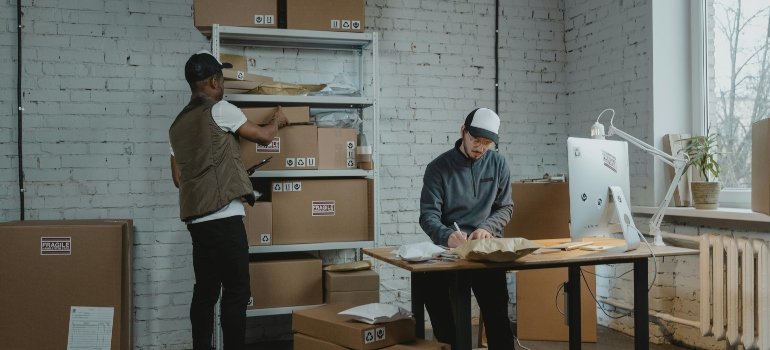
Moving artwork across thousands of miles requires more than simple trucking. Proper vehicles must include soft suspension, internal padding, and stable temperature regulation. These features minimize shocks and environmental fluctuations that could damage fragile pieces. Route planning also plays a critical role. Professional movers often schedule trips to avoid extreme weather or congested urban routes, protecting artwork from unnecessary delays. During a long journey, art handlers check stability at scheduled intervals to confirm nothing has shifted inside the crates.
Real-time tracking provides clients with constant updates, adding confidence during the relocation process. To move artwork cross country, seasonal timing is crucial. Traveling during spring or fall avoids the highest risks from humidity or temperature spikes. For collectors managing multiple works, separating fragile items into distinct crates prevents accidents from contact pressure. Combining thoughtful logistics with professional handling ensures artwork arrives safely, regardless of distance or environmental obstacles encountered.
Unpacking and Inspection Upon Arrival
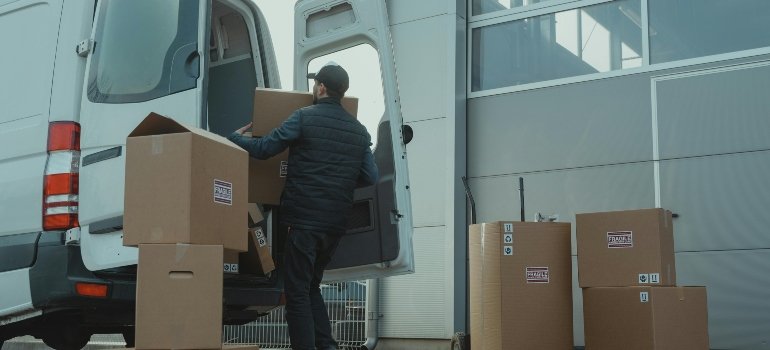
When the shipment arrives at its final destination, unpacking demands the same level of precision as preparation. Every step should be deliberate, with an emphasis on protecting the artwork from environmental and handling risks.
- Conduct unpacking in clean, climate-stable rooms, away from direct light or high humidity.
- Wear cotton gloves to prevent oils or dirt from transferring onto sensitive surfaces.
- Open crates slowly and carefully, removing packing layers one by one to avoid friction damage.
- Verify each piece against the original inventory list and pre-move photographs.
- Document any cracks, scratches, or discoloration immediately for insurance purposes.
- Report damages promptly, as claims often depend on swift notification.
- Capture new photographs of every item to create updated condition records.
By following these steps, collectors not only protect their investments but also ensure accountability. A careful inspection provides peace of mind, supports insurance claims when needed, and establishes a reliable foundation for long-term preservation.
Setting Up Artwork in a New Space
Once unpacking is complete, proper installation begins. Hanging artwork requires more than eye-level placement; wall strength and environmental factors dictate safety. Heavy frames must be mounted on studs, using hardware rated for weight and dimensions. Light-sensitive works, such as watercolors or photographs, should avoid windows or areas exposed to harsh artificial light. Sculptures demand level bases capable of carrying significant weight without tilting.
Using protective glazing, UV filters, and anti-theft mounting hardware adds long-term security. For collectors who remain undecided about display, short term storage in Manhattan provides temporary protection until final placement decisions are made. Professional installers or art consultants can design balanced arrangements that highlight the collection while maintaining safety. Gradual installation prevents rushed choices that may harm artwork in the long run. To move artwork cross country effectively, the final setup phase should respect preservation principles while still achieving personal or aesthetic goals.
Leveraging Flexible Storage During Relocation
Even after relocation, additional storage support often proves valuable. Many collectors rotate their displays, keeping certain pieces stored until exhibitions or room redesigns occur. Reliable self storage NYC provides security and climate stability, ensuring unused items remain preserved. For large collections, splitting pieces between home and storage reduces clutter while maintaining protection.
This adaptability also benefits those moving in stages, preventing overcrowding in temporary housing. When choosing storage, clients should ask about humidity regulation, pest control, and access schedules. Some facilities also provide condition reports upon request, adding accountability. To move artwork cross country with minimal stress, combining relocation with storage ensures smoother transitions. Then, storage becomes a continuing safety net, offering peace of mind well beyond the actual move.
Additional Strategies for Collectors
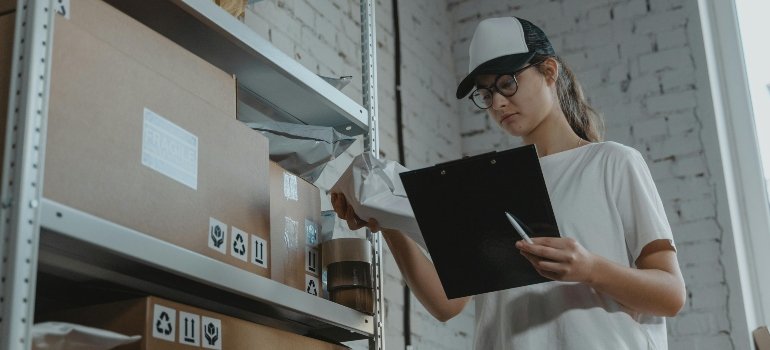
Moving fine art involves more than physical care. Financial and administrative steps also matter. Ensuring every piece for transit and storage protects against unforeseen losses. Specialized fine art insurers tailor policies to cover risks often excluded by standard moving insurance. Collectors should also create digital archives containing high-resolution photos, provenance documents, and updated condition reports for you. These records provide vital reference points for insurance claims and future valuations.
Practical Insights from Storage Experiences
Relocation often overlaps with other household or gallery moves, making efficiency essential. Integrated services that combine moving and storage streamline coordination, especially for those managing multiple responsibilities. Partnering with both professional movers and trusted storage providers ensures continuity and reduces the risk of overlooked details.
Preparation is equally important. Choosing reliable partners and educating yourself in advance makes the entire process far smoother. For collectors preparing to move artwork cross country, access to secure storage and expert handling provides practical, long-term value. By blending real-world experience with professional guidance, collectors can save time, minimize stress, and move forward with confidence in their relocation strategy.
Approach to Moving Artwork Cross Country
To successfully move artwork cross country, collectors must approach relocation as a structured process—integrating preparation, expert packing, secure storage, and professional transport. Prioritizing climate stability, insurance coverage, and trained handling transforms a high-risk task into a manageable strategy. With the right partners in place, every stage of the move contributes to both preservation and peace of mind.
Reviews

Pavel Nikolskii
a month ago

This is my first experience renting a mini storage unit. I really liked it. Clean, quiet, calm, warm. There are convenient places to unload the car. Convenient access from the street. There is also a ramp for a cart. There are several spacious elevators. All elevators are clean and work. The storage unit itself has wooden flooring. Not far from the subway station. The polite employee patiently explained to me everything I wanted to know. Answered all my questions. Showed me several different storages. Explained the pricing. I am happy that I finally have a good place to store my things.


