


Using a Bronx storage unit as a micro warehouse for local online sellers
Online sellers across the Bronx are growing fast, especially those running small shops on Etsy, Amazon, and Shopify. Many outgrow their living rooms or bedrooms and need a better solution. Home offices fill up quickly, and clutter slows down work. When this happens, using a storage rental Bronx NY offers flexibility and privacy. It also separates business items from personal space. That helps reduce stress and boosts focus. Instead of leasing a warehouse, sellers are now turning to smart, affordable options. A storage unit can work well as a micro warehouse for local online sellers. For example, resellers of vintage clothes, handmade items, or gadgets can organize, pack, and ship orders from one spot. This setup keeps costs down and makes local delivery easier. As a result, growth becomes more manageable.
What is a micro warehouse for local online sellers in the Bronx?
A micro warehouse for local online sellers is a small, organized space used to store and manage business inventory. Unlike full-size warehouses, it is compact and budget-friendly. Most Bronx sellers use storage units between 50 and 150 square feet. These units can support inventory zones, packing tables, and even a drop-off section. For example, someone selling handmade home goods can add labeled bins, shelves, and a clear work area. Local storage also supports growth by offering short-term contracts. If you deal with large items, consider using furniture storage Bronx NY facilities that provide climate control and easy loading access.
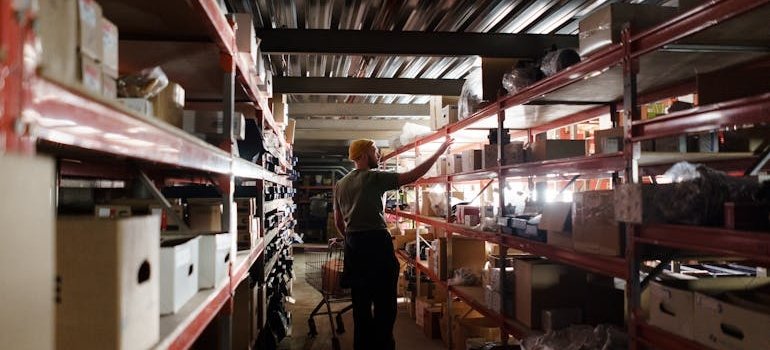
This setup suits people selling clothing, electronics, accessories, or light tools. It works best when orders come in regularly, and packing needs daily attention. Micro warehouses offer flexibility without the pressure of managing a large industrial space. When inventory grows or shipping becomes a daily task, upgrading to a dedicated unit becomes a smart move. The shift from home storage to a micro warehouse marks a key stage in business development. It shows you’re ready to scale operations efficiently.
Comparing Bronx storage units and traditional warehouses
Bronx storage units offer a flexible and cost-effective option compared to traditional warehouses. Most warehouse leases require long-term contracts and high monthly rates. In contrast, storage units usually offer month-to-month terms. That makes them ideal for sellers who are still growing or managing seasonal sales. For example, self storage Port Morris units are often used by local businesses that need short-term space without heavy commitment. This helps reduce overhead costs while maintaining full control of stock.
Traditional warehouses may provide loading docks and more room, but they require a higher upfront investment. Storage units have more limited access hours, yet they are easier to manage for part-time operations. Bronx locations near major roads like the Bruckner Expressway allow faster delivery times. However, not all storage units offer parking or large vehicle access. When your inventory becomes too large or daily shipments increase, a full warehouse may be the next step. Until then, storage units are the more practical choice. They offer enough room, flexibility, and location advantages for many small businesses’ needs.
Choosing the right Bronx neighborhood for your storage unit
Choosing the right Bronx neighborhood for your storage unit can improve daily business operations. Shorter travel time means faster order handling and less fuel use. For sellers who live or work nearby, neighborhoods like storage Mott Haven offer easy access to major routes such as the Cross Bronx Expressway. This location can also help reduce delivery delays, especially if you ship multiple packages each day. Additionally, choosing a nearby facility lowers the risk of missing pickups or drop-offs.

Another important factor is how close the unit is to USPS, UPS, or FedEx locations. If your driver can reach a shipment point in under 15 minutes, that saves time daily. You should also check parking options and facility lighting. Well-lit areas with good foot traffic are safer for after-dark access. Local courier coverage matters too. Some Bronx neighborhoods offer better same-day delivery options than others. Rent prices can be lower in outer zones, but longer drives add cost. A careful balance between rent, safety, and delivery access leads to the best long-term results.
Setting up a micro warehouse for local online sellers, step by step
Starting with a clean and efficient layout saves time and prevents future issues. Before moving inventory in, sketch the space on paper or use a free app. Think about where to place shelves, bins, and a packing area. Clear bins and open racks work well in small units. Also, leave room for walking paths. For example, create a simple route from the entrance to your packing table. Using on demand storage NYC options can help you scale quickly if your business grows faster than expected.
Once your layout is ready, build a small packing and labeling station. Place it near the exit to avoid backtracking. Stack heavy items low and keep fragile products on higher shelves. Use zip ties or wall anchors to secure top-heavy racks. During the first week, check if your layout feels efficient. Can you reach items fast? Is the packing space clean and organized? Keep a short checklist of daily tasks. These may include restocking supplies, printing labels, and sorting returns. A solid setup helps your micro warehouse for local online sellers run smoothly from the beginning.
Inventory management basics for small Bronx warehouses
Managing inventory inside a small Bronx warehouse starts with clear organization. Assign SKUs or product codes to every item. This helps you track products and speed up order picking. Use labels that are easy to read in tight spaces. Color-coded tags or bold printed names work well. If you’re using commercial storage units NYC offers, bring portable label printers and storage bins with lids. These tools make organizing easier and reduce the time spent searching for items.

Set minimum stock levels to avoid running out of popular products. Check inventory weekly or biweekly, depending on your order volume. Use a simple spreadsheet or inventory app to log counts and updates. Handling returns inside the unit also requires space and a process. Place damaged goods in a clearly marked bin until inspected. Avoid using complex software if you’re just starting. Tools like Airtable, Google Sheets, or Sortly are often enough. With a little planning, your Bronx storage space can stay efficient. A solid system prevents mistakes, saves time, and supports steady growth.
Shipping and delivery workflows from a Bronx storage unit
Organizing shipping and delivery from your Bronx storage unit requires a clear process. Start by setting up an intake area where new stock arrives. This helps you sort, check, and label items before placing them on shelves. From there, create a packing flow that moves smoothly from storage shelf to shipping table. Each item should be easy to pick and label. For sellers using a storage pick up service, this setup also helps drivers collect orders faster and avoid confusion.

Next, decide whether to schedule pickups or drop off packages yourself. USPS, UPS, FedEx, and local couriers serve most Bronx neighborhoods. If you ship daily, pickup services may save time. Otherwise, plan regular drop-offs based on your delivery zone. Same-day or next-day shipping within NYC is possible with couriers like UberRush or local bike messengers. To reduce errors, always double-check shipping labels and scan packages before handoff. Use padded envelopes or sturdy boxes to avoid damage. Organized workflows lower your risk of delays, missed orders, or lost packages during busy weeks.
Security and risk control in a micro warehouse for local online sellers
Protecting your inventory is essential, especially when using a micro warehouse setup. Bronx facilities vary in their security levels, so choose one with cameras, on-site staff, and individual access codes. Also, look for indoor units with limited public entry. Choose strong locks like disc locks, which are harder to cut. If you’re storing items for months at a time, reliable long term storage NYC options often provide stronger protection and better climate control.

Temperature and humidity can damage products like electronics, clothing, or books. Make sure your unit has climate control or at least proper ventilation. Store high-value items in sealed bins, and place them toward the back of the unit. Use insurance to protect against fire, theft, or water damage. Many storage companies offer basic business coverage, or you can add it to your policy. Keep an emergency plan ready in case of storms or blackouts. Save backup copies of inventory lists and label everything clearly. Planning for risks early helps prevent losses and keeps your business running with fewer disruptions.
Technology tools that support Bronx-based micro warehousing
Running a micro warehouse for local online sellers in the borough of the Bronx becomes easier with the right tools. First, consider using order management software that connects your online stores. This keeps inventory and orders in sync across platforms like Etsy, Amazon, and Shopify. Barcode scanners and label printers save time during packing and shipping. Instead of writing labels by hand, print them quickly and reduce errors. Also, simple reporting tools help you track what sells best and when.
If you manage everything from one location, inventory apps can simplify daily tasks. Some useful apps include:
- Sortly – Easy to use, visual inventory tracking
- Stocky (Shopify) – Great for restocking and forecasting
- Zoho Inventory – Includes barcode support and multi-channel syncing
Although spreadsheets can work for basic tracking, software tools are better for growing businesses. They offer built-in features like alerts, reporting, and real-time updates. When choosing tech, make sure it integrates smoothly with your selling platforms. Over time, these tools will reduce mistakes, save hours, and help you manage your Bronx storage unit more efficiently.
Cost planning, pricing, and ROI for Bronx micro warehouses
Cost planning plays a key role in managing a micro warehouse setup in the Bronx. Most storage units range from $120 to $400 monthly, depending on size and location. Small units work well for new sellers, while growing businesses may need more space over time. Along with rent, add other regular expenses. These include insurance, packing supplies, fuel, and occasional labor help. Also, choose providers that offer flexible terms. That helps avoid long commitments during slow months.

To make a profit, estimate your break-even volume each month. Divide total costs by your average profit per item. Then, update product pricing to include storage and handling fees. This ensures each sale supports your warehouse use. In time, the micro setup can raise your profit per order, especially when delivery and packing times improve. However, when you run out of space or struggle to access items, it may be time to upgrade. Outgrowing your current setup is a sign your business is expanding. Planning ahead helps you stay on track without overspending.
Turning a Bronx storage unit into a growth engine
A Bronx storage unit can do more than just hold products—it can support business growth. With the right setup, it becomes a daily workspace that saves time and cuts costs. You can organize inventory, pack orders, and ship locally without leaving the neighborhood. As your order volume grows, this system helps you stay efficient without major overhead. Using a micro warehouse for local online sellers gives you control, speed, and flexibility. It supports better customer service and smoother delivery. Whether you sell handmade goods, electronics, or clothing, a well-run storage unit can keep your business on track. With careful planning and smart tools, this space turns into a strong foundation for long-term success.
Reviews

Pavel Nikolskii
a month ago

This is my first experience renting a mini storage unit. I really liked it. Clean, quiet, calm, warm. There are convenient places to unload the car. Convenient access from the street. There is also a ramp for a cart. There are several spacious elevators. All elevators are clean and work. The storage unit itself has wooden flooring. Not far from the subway station. The polite employee patiently explained to me everything I wanted to know. Answered all my questions. Showed me several different storages. Explained the pricing. I am happy that I finally have a good place to store my things.


