


Storage for new parents in small apartments
Life changes quickly after a baby arrives, especially in a small apartment. Closets fill fast, and floors feel crowded. You may trip over strollers or stack diaper boxes near the door. Because space is limited, early planning matters. Many families even consider extra space storage NYC for bulky gear they rarely use. However, a smart setup at home can solve many problems first. Group daily items like diapers, wipes, and bottles in one easy spot. Then store toys and clothes in labeled bins. This approach supports safe and simple storage for new parents in small apartments. Clear paths reduce stress and prevent accidents. Next, focus on systems that you can follow each day. Practical steps and small changes help you stay organized and calm.
Assess what you truly need before adding more storage
Before you buy bins or shelves, take time to review what you already have. Space fills quickly, so each item should earn its place. Many parents rush into NYC apartment storage solutions without sorting first. However, you can often free space by removing clutter. Start by listing baby items you use every day, such as diapers, bottles, and a stroller. Then mark items you use only sometimes, like travel cribs or seasonal clothes. This step helps you see what truly needs easy access.
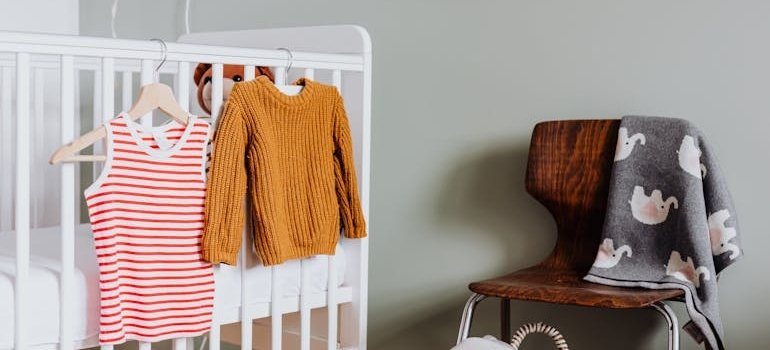
Next, measure your closets, wall space, and the area under the bed. Write down these numbers so you plan accurately. Look for duplicate items, such as extra blankets or unused toys. Set them aside right away. Donate or sell gear your child has outgrown. After that, create a simple keep, store, or discard plan. Keep daily essentials nearby. Store occasional items higher or lower. Remove everything else. As a result, your home feels lighter and easier to manage. Small edits now save time and money later.
Smart zoning strategies for storage for new parents in small apartments
Start by dividing your apartment into clear zones that match your daily routine. Many families also use secure self storage NYC for overflow items, but smart zoning at home should come first. Separate your space into baby, parent, and shared areas. For example, keep diapers, wipes, and bottles close to the changing table or crib. Place feeding supplies near the kitchen or nursing chair. This setup saves time and reduces stress during busy moments.
Next, avoid mixing toys with work desks or sleep areas. Toys near your laptop can distract you. Clutter near the bed can disrupt rest. Instead, use labeled bins for each zone and store items where you use them most. Clear labels help you and other caregivers find things quickly. Then group similar items together, such as bath products or extra blankets. As a result, you walk less and search less. These small changes make daily care smoother. Simple zones support safer, cleaner, and more organized storage for new parents in small apartments.
Maximize vertical space without crowding floors
Floor space disappears quickly when you have a baby. Toys, bags, and gear often spread across every corner. Because of this, you should look upward instead of outward. Many families even search for storage near NYC, yet smart vertical solutions at home can solve most issues first. Install sturdy wall shelves above the changing table for diapers, wipes, and creams. This keeps essentials close but off the floor. Then add over-door organizers for socks, bibs, and small supplies.
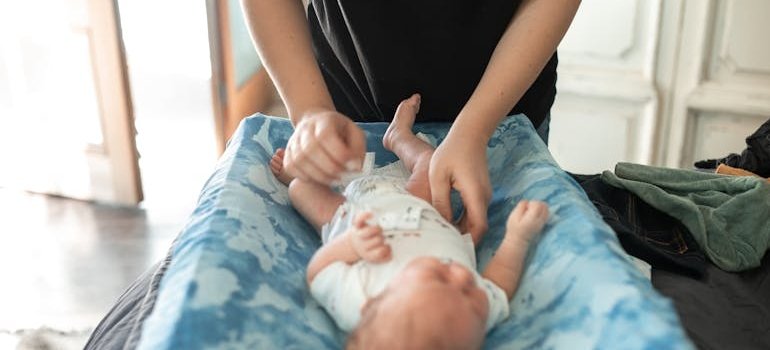
Next, use hooks to hang diaper bags, baby carriers, and jackets. These items take little wall space but free up valuable room below. Choose tall bookcases instead of wide units, since height uses less floor area. Place lighter items on upper shelves and heavier ones lower for safety. Secure furniture to the wall to prevent tipping. As a result, your apartment feels more open and easier to navigate. You also reduce tripping hazards and daily clutter. Simple vertical storage helps you move freely and care for your child with less stress.
Choose furniture that doubles as storage
Space-saving furniture helps you stay organized without adding clutter. Many parents even look into furniture storage Bronx NY when bulky items take over the room. However, you can often solve the problem with smarter furniture choices first. Select pieces that serve two purposes. For example, choose a crib with built-in drawers underneath. These drawers hold blankets, diapers, or spare clothes. As a result, you avoid extra dressers or bins.
Next, use ottomans or benches with hidden compartments. These work well for toys or feeding supplies. Beds with lift-up storage also offer space for seasonal clothes or extra bedding. In addition, foldable bassinets and playpens help you reclaim floor space during the day. You can store them flat when not in use. Consider compact rolling carts for bottles, wipes, and diapers. Move the cart from room to room as needed. This saves time and keeps essentials close. Multi-use furniture reduces clutter and makes daily care easier. Therefore, each item earns its place and supports a cleaner, safer home.
Daily essentials setup: Quick access beats deep storage
Daily care becomes easier when essentials stay close and ready. Some parents choose to rent storage in NYC, yet quick access at home matters more. You do not want to search through boxes during diaper changes. Late feedings also leave little time for extra steps. Instead, set up small stations in the rooms you use most. Keep a diaper caddy in the living room and another near the crib. Store wipes, burp cloths, and creams together so you can reach them fast.

Clear bins also help you spot items at a glance. As a result, you open fewer containers and waste less time. Next, create a night station near the bed with bottles, formula, and a soft light. This setup supports safer movement in low light. Then restock each station once a day, often in the evening. That way, you start the next day prepared. Quick access beats deep storage because it supports your routine and reduces stress.
Seasonal rotation plan for storage for new parents in small apartments
Clothing and gear add up quickly during your baby’s first year. Sizes change fast, and closets fill before you notice. Some parents consider short term furniture storage NYC for overflow items, yet a simple rotation plan often works first. Start by sorting clothes by size and season. Then pack outgrown pieces in labeled bins or bags. Clear labels like “6–9 months” or “winter” save time later. As a result, you avoid digging through piles when you need something quickly.

Next, store winter coats and thick blankets during warmer months. Likewise, move summer items out of sight in colder seasons. Vacuum-seal bulky fabrics to reduce space and protect them from dust. Keep only current-size clothes and daily items within reach. This step keeps drawers neat and easy to manage. Also, review your storage every three months. Babies grow fast, so regular checks prevent clutter. Rotate items back into use as needed and remove what no longer fits. Small seasonal updates help you stay organized and keep your apartment calm and functional.
Safe storage practices for baby-proof homes
Keeping your home organized matters, yet safety must always come first. Smart storage for new parents in small apartments should protect your child as well as your belongings. Babies grow fast and start exploring sooner than expected. Therefore, each storage choice needs careful planning. For example, tall shelves and dressers can tip if pulled. Anchor these pieces firmly to the wall with safety brackets. This small step prevents serious injuries and gives you peace of mind.
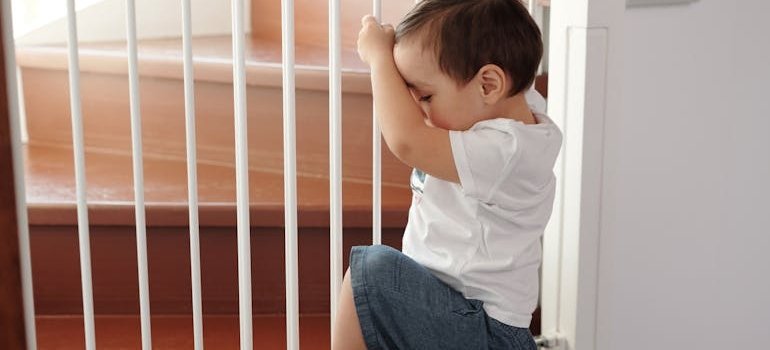
Next, avoid placing heavy boxes or bulky items on high shelves. Items can fall and cause harm. Instead, store heavier objects low and light items higher. Use childproof latches on cabinets that hold tools or sharp objects. Hide cords from lamps, monitors, and chargers to reduce tripping or choking risks. Also, check floors often for small toys or loose parts. Cleaning products and medications should stay locked away or stored out of reach. These habits reduce accidents and keep daily life calmer. Safe storage supports both order and protection, which helps you focus more on caring for your child.
Closet organization systems that create extra capacity
Closets often hold more potential than you think, especially in small apartments. A few simple upgrades can create extra capacity without adding new furniture. Start by studying how you use the space each day. Then adjust the layout to match your routine. Add double hanging rods to stack baby clothes vertically. This setup instantly doubles hanging space for small outfits. As a result, drawers stay less crowded and easier to manage.
Next, use shelf dividers to separate tiny items like socks, hats, and bibs. These dividers prevent piles from falling over and mixing together. Install hanging organizers for diapers, wipes, and spare blankets so you can grab them quickly. Store shoes, toys, and accessories in labeled bins on lower shelves. Clear labels help you find things fast and keep other caregivers on the same page. Also, group items by type or size for quick sorting. This system reduces daily searching and saves time. Small changes inside the closet lead to a cleaner, calmer home and better use of every inch.
When off-site or temporary options make sense
Space can feel tight during the first months with a newborn. Gear piles up fast, and closets fill sooner than expected. In some cases, keeping everything at home no longer works well. That’s when off-site help can make sense. Many families look into Manhattan storage facilities for short-term needs. These options work well for items you rarely use but still want to keep. For example, you can store a travel crib, spare stroller, or extra high chair. This clears your living space and reduces daily clutter. As a result, your apartment feels calmer and easier to manage.

Next, compare the cost of storage with the cost of upgrading to a larger apartment. Often, short-term storage costs less than higher rent. Choose a climate-controlled unit to protect baby gear from heat, cold, and moisture. Clean and label each item before placing it in storage. Then create a simple list so you know what’s inside. Set a schedule to retrieve or rotate items when needed. Easy access matters when your baby outgrows things quickly. Temporary storage gives you flexibility without crowding your home. Therefore, you gain space while keeping important items safe and available.
Long-term decluttering habits for storage for new parents in small apartments
Clutter builds quickly when baby gear changes every few months. Therefore, steady habits work better than large cleanups. Start with a one-in, one-out rule for toys, clothes, and supplies. When you buy something new, remove one old item. This keeps shelves and drawers from overflowing. Also, donate toys and clothes on a regular basis. Local charities and parent groups often accept gently used items. In addition, avoid buying duplicate baby gear. Two strollers or extra bottle sets often waste space. Instead, plan purchases with care and store only what you truly use. These simple steps support long-term decluttering and make daily life easier.
Then set one short session each month to stay organized:
- Week 1: Sort clothes by size and pack outgrown pieces
- Week 2: Review toys and donate or discard unused ones
- Week 3: Check supplies and combine duplicates
- Week 4: Tidy closets and relabel bins
Build a calm, organized home that grows with your child
Creating an organized home takes steady effort, yet small steps make a big difference. Clear spaces help you move safely and care for your child with ease. Therefore, focus on simple systems that fit your daily routine. Keep essentials close, store extras wisely, and remove items you no longer need. As your child grows, your setup should change too. Rotate clothes, adjust shelves, and update zones often. These habits keep clutter from building up. Over time, your home feels calmer and more functional. Smart storage for new parents in small apartments supports both comfort and safety. With planning and consistency, you create a space that adapts to each new stage of family life.
Reviews

Pavel Nikolskii
a month ago

This is my first experience renting a mini storage unit. I really liked it. Clean, quiet, calm, warm. There are convenient places to unload the car. Convenient access from the street. There is also a ramp for a cart. There are several spacious elevators. All elevators are clean and work. The storage unit itself has wooden flooring. Not far from the subway station. The polite employee patiently explained to me everything I wanted to know. Answered all my questions. Showed me several different storages. Explained the pricing. I am happy that I finally have a good place to store my things.


