


How to choose the right Manhattan neighborhood before you move
Manhattan offers many neighborhoods, each with a different rhythm and price range. Your choice depends on how you live each day. Some people need short commutes, while others care more about quiet streets or access to parks. Many also use secure storage NYC when moving from larger homes or downsizing. Budget plays a major role because rents vary widely from block to block. As you explore options, think about noise levels, grocery access, and transit lines. These details shape your routine more than you expect. Planning early helps you avoid rushed decisions. In the end, you can choose the right Manhattan neighborhood by comparing lifestyle needs with real costs and daily habits.
Understanding how to choose the right Manhattan neighborhood for your lifestyle
Daily habits influence where you feel most comfortable living. Early risers may prefer calmer areas like the Upper West Side, while night owls might enjoy the Lower East Side. Think about how you spend your mornings and evenings. Some people want grocery stores within a short walk. Others focus on quiet nights or easy subway access. Many new residents also compare apartment size and rely on storage units Manhattan when space feels tight. These small details shape how well a neighborhood fits your routine.
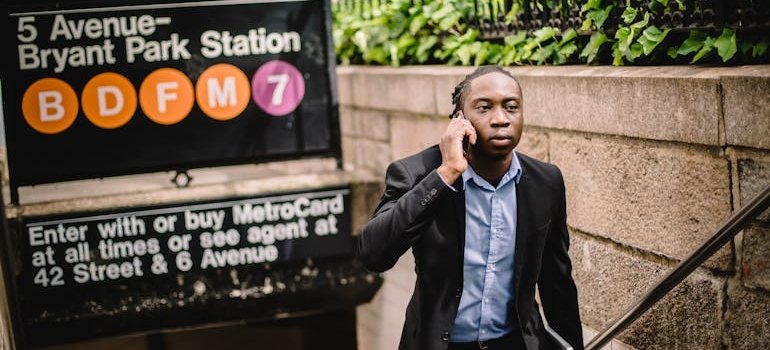
Atmosphere matters as much as convenience. Some areas stay busy late into the night, while others wind down early. Walk the streets at different hours to understand noise levels and foot traffic. You should also look at access to gyms, parks, cafés, and pharmacies. If you value walkability, neighborhoods like Greenwich Village or Chelsea may work well. If you prefer a slower pace, consider Kip’s Bay or Battery Park City. Your lifestyle priorities will guide your shortlist and help you focus on places that match the way you actually live.
Budget realities across Manhattan: What your rent or mortgage can actually buy
Budgets shape most Manhattan moves, so it helps to compare neighborhoods carefully. Prices shift fast from one block to the next. A one-bedroom in the East Village may cost $3,800 a month, while similar units in Washington Heights often fall between $2,200 and $2,600. That difference opens options for many renters. Some residents in the north also use storage Washington Heights when downsizing from larger homes, since the area offers more affordable space than Midtown or Chelsea. Purchase prices vary even more. Condos on the Upper West Side often exceed $1.2 million, while older co-ops in more northern areas may list closer to $500,000.

Building style also influences price. Luxury high-rises with doormen, gyms, and rooftop access charge far more than walk-ups. These added amenities raise HOA fees or monthly rent. Walk-ups, on the other hand, may offer lower costs but fewer conveniences. Because of these differences, your budget will narrow or widen your neighborhood list quickly. For example, a $4,000 monthly budget might secure a small one-bedroom in the East Village. That same amount could rent a larger unit on the Upper West Side or a spacious two-bedroom in Washington Heights. Consequently, comparing neighborhoods helps you understand what your money actually buys.
Commute and transit access: Matching your neighborhood to your work routine
Commute time affects daily life more than most people expect. Subway coverage varies across Manhattan, so check which lines serve your routine. Someone working in Midtown might prefer the Upper East Side for the 4/5/6 and Q trains. Meanwhile, a resident in the Lower East Side may face more transfers, which adds minutes to the morning. Many people in smaller apartments also use storage Lower East Side to keep bikes or seasonal items out of the way, especially when relying on cycling routes. Travel to FiDi differs, too. Battery Park City offers short walks to major offices, while the Upper West Side often requires a 1/2/3 train ride of 20 to 30 minutes.
Bus routes and bike lanes also shape commute decisions. Neighborhoods like Chelsea and the West Village offer strong bike access, while areas near Central Park provide safer riding paths. Hybrid schedules change priorities as well. If you go to the office only twice each week, you may accept a longer commute in exchange for quieter surroundings. For example, Washington Heights offers relaxed streets and lower rents, even though trips downtown take longer. Because of these differences, reviewing transit options helps you match the neighborhood to your actual work rhythm.
Safety, street activity, and neighborhood feel
Safety and atmosphere shift from block to block in Manhattan, so it helps to study patterns. Some neighborhoods stay active late into the night, while others quiet down early. Tribeca offers quiet streets after business hours, yet residents sometimes use storage Tribeca to keep items secure when living in smaller loft spaces. The Lower East Side, by contrast, stays lively until late due to bars and music venues. Therefore, foot traffic may feel very different depending on where you walk. Crime statistics also matter, but they require context. Higher numbers in busy areas often reflect more reporting rather than more danger.
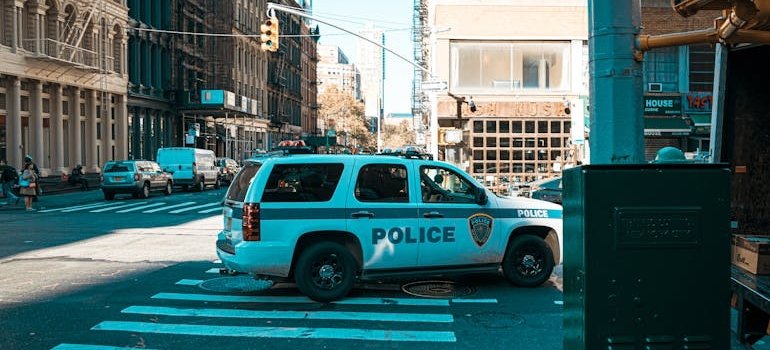
Tourist-heavy zones like Times Square bring constant crowds, which can feel overwhelming. Meanwhile, family-focused areas such as the Upper West Side offer steadier activity with fewer late-night disruptions. A test visit helps you understand these differences. Walk the streets during the day to see who uses the sidewalks. Return at night to check lighting, noise, and traffic. You might find that Midtown feels busy but predictable, while parts of the East Village feel energetic but louder than expected. Because comfort depends on personal habits, exploring at different times gives you the clearest picture of a neighborhood’s true rhythm.
Housing types and building features to compare
Housing styles differ widely across Manhattan, so comparing buildings helps you understand what fits your lifestyle. Prewar apartments on the Upper West Side offer charm and larger rooms, while high-rises in Midtown focus on amenities like gyms and roof decks. Brownstones in Harlem provide multi-level layouts, though some residents use storage units Harlem to keep seasonal items out of smaller bedrooms. Co-ops in neighborhoods like the Upper East Side often have strict approval processes. These choices influence how you choose the right Manhattan neighborhood, especially if you need space, convenience, or certain building features.

Walk-up buildings often appear in the East Village and Washington Heights. They offer lower rents, but carrying groceries upstairs becomes tiring. Elevator buildings, common in Chelsea and Battery Park City, provide easier access for families or anyone with mobility concerns. Amenities change from place to place. A doorman building in Tribeca may offer package handling and security, while smaller buildings in SoHo prioritize privacy instead. Pet rules also vary. Some co-ops limit dog size, while many rental buildings in FiDi allow pets with a simple fee. These differences shape daily routines and should guide your housing search.
Evaluating long-term value when you choose the right Manhattan neighborhood
Long-term value matters when deciding where to live. Some buyers focus on appreciation trends in areas like the Upper West Side, where prewar co-ops often maintain steady demand. Others look at rising neighborhoods such as Harlem or Inwood, where prices remain lower but interest continues to grow. School zones influence value as well. Apartments in highly rated zones, such as those near PS 234 in Tribeca, sell faster and at higher prices. Space can also affect value. For example, loft-style units in SoHo often require extra room for items that residents sometimes keep in storage Soho, which helps maintain a clean layout for showings. These details shape long-term potential when you plan for future resale.
Stability comes from more than price trends. Transit access, neighborhood amenities, and ongoing development all play roles. Buyers often watch areas like Hudson Yards, which gained value due to new businesses and improved transportation. Meanwhile, established areas such as the Upper East Side offer slower but reliable appreciation supported by strong schools, medical centers, and consistent demand. When you evaluate these factors, you can better understand how to choose the right Manhattan neighborhood for both present needs and long-term financial goals.
Noise, nightlife, and local activity: Finding your comfort zone
Noise and nightlife differ sharply across Manhattan, so it helps to match the area to your habits. Neighborhoods with dense bars and restaurants, like the East Village, stay lively late into the night. Hell’s Kitchen also has steady evening crowds, which is why some residents use storage Hell’s Kitchen to keep bulky items out of smaller apartments and maintain calmer living spaces. Traffic noise adds another layer. Midtown brings constant movement, while the Upper East Side feels quieter after dark. Therefore, each block offers a different pace. Weekend crowds also change your experience, especially near major attractions or subway hubs.

Construction plays a major role in daily comfort. Areas undergoing development, such as parts of Hudson Yards or the Lower East Side, may have early-morning noise that disrupts remote workers. Families and early sleepers often prefer calmer neighborhoods like Battery Park City or Carnegie Hill. These areas offer fewer late-night venues and more predictable evenings. If you need quiet mornings for work, avoid streets near clubs, major bus routes, or delivery-heavy zones. Visiting at different times of day helps you understand what feels right. Each neighborhood has its own rhythm, and finding the one that aligns with your routine makes daily life easier.
Schools, parks, and family-friendly considerations
Families often evaluate schools and outdoor access before choosing a home. Zoning plays a major role because admission to public schools depends on your exact address. Some neighborhoods, such as the Upper West Side, offer strong elementary schools with stable enrollment. Parents also check the distance to playgrounds, since daily routines become easier when parks sit within a short walk. Considering these details helps you choose the right Manhattan neighborhood if you plan to raise children. Childcare costs vary as well. Daycare in Tribeca or Midtown may exceed $3,000 per month, while prices in Washington Heights tend to be lower. These differences shape your monthly budget and long-term planning.
Green space also affects family life. Central Park benefits residents on the Upper East and Upper West Sides. Battery Park City provides waterfront parks and quiet streets, which many families enjoy. When comparing neighborhoods, many parents look for a combination of safe streets, good schools, and accessible childcare. Popular family-friendly areas include:
- Upper West Side
- Battery Park City
- Upper East Side
- Washington Heights
Daily convenience: Grocery stores, gyms, laundromats, and essential services
Daily routines become easier when essential services sit close to home. Grocery choices vary across Manhattan. The Upper West Side offers large stores like Trader Joe’s and Fairway, while the East Village relies more on smaller markets. These differences change how often you shop and how much you spend. Pharmacies and medical offices also matter. Neighborhoods like Midtown and the Upper East Side provide many clinics and urgent care centers within a short walk. In contrast, residents in parts of Inwood may travel farther for specialized care. Gyms range from luxury fitness clubs in Tribeca to more affordable community centers in Washington Heights.

Service pricing shifts from block to block. Laundry pickup in SoHo may cost more than similar services in the Lower East Side. Gyms in Chelsea often charge higher monthly fees than those uptown. Even pet care sees major variation. These costs add up each month and influence your budget. Convenience also affects time. Living near reliable grocery stores and pharmacies reduces errands and makes daily life smoother. When comparing neighborhoods, track how far you walk for everyday tasks. This helps you understand how well each area matches your routine and comfort level.
Making a confident decision before you relocate
Choosing where to live in Manhattan comes down to understanding your daily needs and long-term plans. Each neighborhood offers a different mix of convenience, noise, housing style, and cost. Comparing these details helps you see what truly fits your routine. Visiting at different hours, checking commute times, and reviewing local services also give you a clear picture of everyday life. After weighing all these factors, you can confidently choose the right Manhattan neighborhood for your move. A careful approach protects your budget and supports a smoother transition. In the end, the best choice is the one that aligns with how you live, work, and plan to grow.
Reviews

Pavel Nikolskii
a month ago

This is my first experience renting a mini storage unit. I really liked it. Clean, quiet, calm, warm. There are convenient places to unload the car. Convenient access from the street. There is also a ramp for a cart. There are several spacious elevators. All elevators are clean and work. The storage unit itself has wooden flooring. Not far from the subway station. The polite employee patiently explained to me everything I wanted to know. Answered all my questions. Showed me several different storages. Explained the pricing. I am happy that I finally have a good place to store my things.


