


Storage Unit Security Checklist for First-Time Renters
When you rent your first unit, price and size may get your attention first. However, secure storage NYC should also mean strong gates, bright lights, and a lock that resists cutting. A weak latch or poor access control can put your boxes at risk. For example, one shared gate code can make entry far too easy. Water damage is another concern. Therefore, you should check for climate control, clean floors, and signs of leaks before move-in. A clear storage unit security checklist helps you review each detail with care. In the next steps, you will see what to inspect, what to ask, and how to protect items such as documents, electronics, and family photos from day one with more confidence today.
Your First Storage Unit Security Checklist: Start With Facility Research
Before you sign a lease, study the facility with care. In places such as secure self storage NYC, safety starts long before move-in day. First, read recent reviews on Google and local listings. Look for reports about break-ins, broken gates, rude staff, or poor cleaning. Also, notice how management replies to complaints. A fast, polite response often shows active oversight. By contrast, repeated silence can signal weak service. You should also compare at least three sites. The cheapest unit may save money today. However, weak lighting or poor upkeep can cost far more later.
Next, visit each property in person before you commit. Walk the halls and check the gate, lights, cameras, and office. Then, ask direct questions. Who monitors the site at night? How often do staff inspect the grounds? Are repairs handled quickly? Clean floors, clear rules, and working entry systems suggest professionalism. In addition, a manager who greets you and explains policies can be a sign that your storage unit security checklist starts in the right place.
Check Gates, Cameras, Lighting, And Access Controls Before You Rent
Before you rent a unit, inspect the entrance and perimeter with care. Even in 24 hour storage Bronx locations, safety depends on controlled entry, not just long access hours. A gated property with a personal code helps limit unwanted visitors. Also, you should ask whether each renter gets a unique code or if staff reuse shared numbers. Shared codes weaken security fast. Visible security cameras matter as well. They can discourage theft and help managers review incidents later. Therefore, look for cameras at the gate, near elevators, and around loading areas.
Next, check the lighting during late afternoon or evening, if possible. Bright hallways, entrances, and loading bays reduce blind spots and help cameras capture clear footage. In addition, an on-site manager adds another layer of protection. You can ask who walks the property and how often. Then, ask about access logs: who tracks them, how long they are stored, and when they are reviewed after unusual activity.
Choose The Right Unit Location To Lower Security Risks
Unit location can affect security more than many first-time renters expect. For example, if you are a first-time renter in Manhattan, a Manhattan storage NYC unit inside a building may offer more protection than an outdoor drive-up space. Indoor units often have added layers such as hallways, elevators, and controlled entry. By contrast, outdoor units can be easier to reach from the street or parking area. A space near the front door may save time on moving day. However, it can also face more traffic and more exposure to strangers.
Therefore, look for a unit in a well-lit and monitored part of the property. Spaces along interior hallways or on upper floors can offer added protection. Still, do not ignore convenience. If you need weekly access, a distant unit may become frustrating. Choose a space that feels secure and practical. Then, check nearby cameras, staff activity, and clear sightlines around the door.
Pick The Best Lock Using A Storage Unit Security Checklist
A strong lock matters as much as the facility. At vehicle storage NYC sites, a weak lock can undo good cameras, gates, and lighting. Therefore, choose a disc lock or a heavy-duty cylinder lock instead of a basic padlock. These options leave less space for bolt cutters and resist tampering better. By contrast, cheap locks often have thin shackles and soft metal bodies. Those parts are easier to cut or pry open. Before you buy one, ask the manager which lock types fit the door and meet site rules.

You should also think about the weather and daily wear. For example, outdoor units face rain, dust, and heat, so a weather-resistant lock is a smart choice. In addition, pick a tamper-resistant model from a trusted brand with reviews. A low price may look appealing. However, replacing stolen items can cost more. If possible, test the lock in person and check that the key turns smoothly.
Read The Rental Agreement With Security In Mind
Before you sign anything, read the contract with care. At long term storage NYC facilities, the rental agreement explains who pays if items are stolen, damaged, or affected by leaks. Therefore, check the clauses on liability and break-ins first. Many facilities set limits on what they cover. Some may not guarantee protection for valuables, electronics, or documents at all. In addition, review any rules on locks, late fees, forced entry, and lien or auction steps if rent goes unpaid.
You should also ask questions before you accept the terms. For example, how do staff report water damage, fire, or suspicious activity? Who should you call after hours? Also, ask when management can cut a lock and enter the unit. These details matter if an emergency happens. Keep a signed copy of the agreement, whether printed or saved by email. Then, you can check dates, fees, and notice rules later without confusion. A careful review now can help you avoid costly surprises and choose a facility with clear, fair, written policies.
Pack, Label, And Arrange Items To Make Theft Less Likely
How you pack a unit can affect security more than you may expect. At furniture storage NYC sites, avoid storing cash, jewelry, family heirlooms, or other items you cannot replace. Instead, keep those valuables at home or in a bank box. Also, use plain boxes for electronics, designer goods, or small appliances. A box marked “TV” or “Laptop” can attract the wrong attention. In addition, place higher-value items near the back of the unit, behind larger pieces such as tables, mattresses, or sealed bins.
Then, stack each box with care so damage does not look like forced entry or careless handling. Heavy bins should stay on the bottom, while lighter cartons go on top. Leave a narrow aisle down the middle as well. That way, you can inspect the rear wall, check corners, and spot leaks or pests during visits. Moreover, clear labels on two sides of each box help you find documents, kitchenware, or winter clothes without moving everything around. As a result, visits stay safer for you.
Create A Detailed Inventory Before Move-In
Before you move anything in, make a full record of what you plan to store. Even with small storage NYC options, an inventory can save time and reduce stress later. For example, if a box goes missing or water damages a chair, your list can support a report or an insurance claim. Start with clear details for each item. Include the item name, the box number, and the estimated value. Also, note what is inside each sealed container. A simple entry such as “Box 4: winter coats, boots, gloves” is far more useful than “clothes.” Photos and videos matter too, especially when they are dated and easy to match to your list.
In addition, save receipts for costly items when you can. A receipt for a laptop, sofa, or camera can help confirm value. Then, store your inventory in two forms. Keep one digital copy on your phone or cloud drive, and keep one printed copy at home. As a result, you can check items quickly during each visit.
Follow A Storage Unit Security Checklist On Move-In Day
Before you unload a single box, inspect the unit with care. Your storage unit security checklist should begin at the door, not with the first bin. Check the latch, frame, and roll-up track for bends or gaps. Then look at the ceiling, walls, and floor. Search for stains, cracks, rust, pest droppings, or signs of forced entry. Also, confirm that the unit number matches your rental papers. Public Storage advises renters to inspect a space before renting, so this step is worth taking seriously.
Next, test the lock and make sure it closes smoothly and holds tight. Take clear photos of the empty unit before you place anything inside. After you finish, photograph the loaded unit as well. These images can help you track the condition and placement later. For example, a photo can show that a wall stain was already there on move-in day. Finally, do not leave the unit open and unattended while you carry items from your car or truck. An open space gives strangers an easy view of what you own.
Understand Insurance Options And Coverage Gaps
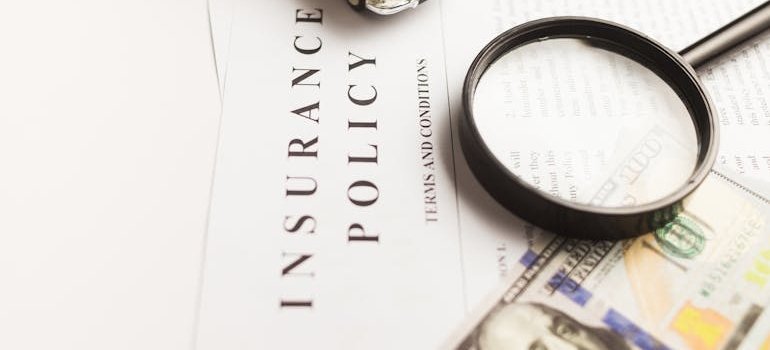
Insurance deserves close attention before you store anything valuable. Facility plans may offer some protection, but they can be limited. In many cases, renters’ insurance may also cover belongings kept in storage. However, off-premises coverage is often lower than the limit for items kept at home. Therefore, read the policy line by line. For example, a unit with a sofa, laptop, and work files may need more protection than a basic plan provides. Check whether theft, fire, flood, and sudden water damage are covered before you sign.
- Exclusions: Flooding, mold, mildew, and some high-value items may be left out.
- Deductibles: You pay this amount first before the insurer pays your claim.
- Coverage limits: Storage belongings may have lower off-premises caps than items kept at home.
Then compare the cost of added storage coverage with the value of what you plan to store. If your items are worth $8,000, a small monthly premium may be a smart trade-off. Also, ask whether high-value items need extra coverage. Clear answers now prevent costly surprises later.
Avoid Common Security Mistakes First-Time Renters Make
Many first-time renters make small mistakes that create bigger risks later. A weak lock is one of the most common examples. Cheap padlocks may look fine, but they are often easier to cut or pry open. Also, sharing your gate code or spare key with friends, movers, or relatives can reduce control over your unit. Social media can cause problems, too. For example, a post about your move, new unit, or valuable items may reveal more than you expect. Therefore, keep storage details private and limit access to people you fully trust.
Just as important, visit your unit often enough to spot issues early. A long gap between visits can hide leaks, pests, or signs of forced entry. In addition, update your phone number and email with the facility whenever they change. If staff cannot reach you, small issues can become costly ones. Finally, do not assume the facility will cover every loss. In many cases, responsibility is limited. As a result, careful habits remain your best protection.
Build A Simple Security Routine That Protects Your Belongings
Protecting your items does not require complicated steps. Instead, it requires steady habits. A clear storage unit security checklist helps you choose a safer facility, use a stronger lock, and store items with more care. It also reminds you to review insurance, visit your unit, and watch for problems before they grow. For example, one quick monthly check can help you spot leaks, pests, or damage early. Small actions often make the biggest difference. When you stay organized and alert, your unit becomes much easier to manage. In the end, first-time renters gain more than peace of mind. They also protect their time, money, and valuable belongings with a routine that works from day one for every visit and decision ahead.
Reviews

Pavel Nikolskii
a month ago

This is my first experience renting a mini storage unit. I really liked it. Clean, quiet, calm, warm. There are convenient places to unload the car. Convenient access from the street. There is also a ramp for a cart. There are several spacious elevators. All elevators are clean and work. The storage unit itself has wooden flooring. Not far from the subway station. The polite employee patiently explained to me everything I wanted to know. Answered all my questions. Showed me several different storages. Explained the pricing. I am happy that I finally have a good place to store my things.


