


Checklist: What to Do Before Putting Your Vehicle in Storage
Before storing your vehicle, clean it thoroughly, check fluid levels, and inflate tires properly. Disconnect the battery and use a cover for protection. In addition, choose a secure storage facility to prevent damage and ensure your vehicle stays in good condition.
Proper preparation is essential when planning for vehicle storage NYC residents often rely on. If you skip key steps, your car may develop issues over time. For example, leaving dirt on the exterior can damage the paint. In addition, low fluids or a weak battery may lead to costly repairs later. These problems often appear when you return to your vehicle after storage. Understanding what to do before putting your vehicle in storage helps you avoid these risks. Both short-term and long-term storage require attention to detail. For instance, a car stored for a few weeks still needs basic care. Meanwhile, long-term storage requires deeper preparation. Therefore, simple actions like cleaning, checking fluids, and protecting key parts make a big difference. Over time, proper preparation helps keep your vehicle in good condition and ready to use.
Inspect Your Vehicle Before Storage
A careful inspection is the first step before storing any vehicle. Whether you use a garage or motorcycle storage NYC facilities, checking your vehicle helps prevent future problems. Start by looking for visible damage such as scratches, dents, or rust. In addition, check under the car for any fluid leaks. Small issues, like oil drips or coolant spots, can become serious over time. Therefore, identifying them early saves you money and effort later.

Taking time to fix minor problems makes a big difference. For example, replacing worn wiper blades or tightening loose parts can prevent further damage. Moreover, checking brakes and tire condition ensures your vehicle stays safe while stored. Ignoring these steps may lead to costly repairs when you return. As a result, a simple inspection helps protect your investment. By addressing issues in advance, you keep your vehicle in better condition and ready to use after storage.
Before Putting Your Vehicle in Storage Clean It Thoroughly
Cleaning your vehicle properly is a key step before storage. If you plan to use car storage NYC services, preparation becomes even more important. Start by washing the exterior to remove dirt, salt, and road debris. These elements can damage the paint if left on the surface. After that, apply a protective wax layer. This helps shield the finish during long periods of storage. As a result, your vehicle will maintain its appearance over time.
The interior should also be cleaned carefully. Remove all trash and personal items to prevent odors and pests. In addition, vacuum the seats and floor to eliminate dust and crumbs. Moisture can cause mold, so drying the interior is essential. Therefore, wipe down surfaces and allow the car to air out before closing it. For example, leaving the doors open for a short time can help. Taking these simple steps protects your vehicle and keeps it in good condition while stored.
Top Off All Fluids and Replace If Needed
Checking and topping off fluids is an important step before storage. If you plan to use full service storage NYC options, proper preparation helps protect your vehicle. Start with an oil and filter change, especially if the current oil is old. Used oil contains contaminants that can harm engine parts over time. In addition, check coolant, brake fluid, and transmission fluid levels. Keeping these fluids at the right level prevents internal damage while the vehicle sits unused.
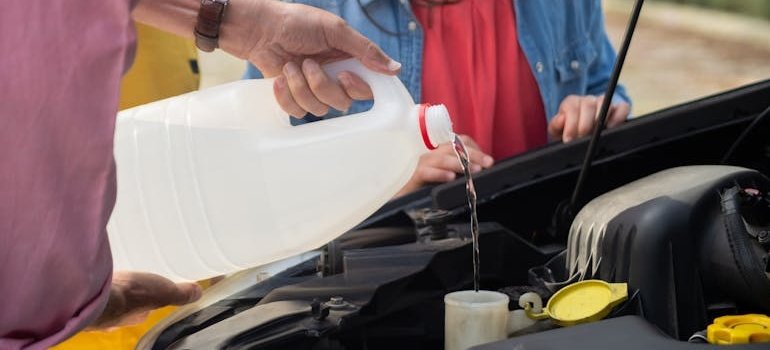
Fuel care also plays a key role in storage preparation. Fill the tank to reduce moisture buildup inside the system. Then, add a fuel stabilizer to keep the gasoline from breaking down. This helps the engine run smoothly when you use the vehicle again. Moreover, fresh fluids keep seals and components in better condition. As a result, your vehicle is less likely to develop mechanical issues. Taking these steps now can save you time and repair costs later.
Protect the Battery from Drain
Battery care is essential when preparing your vehicle for storage. Many drivers overlook this step, yet it can prevent major issues later. When using a storage rental NYC option, taking simple precautions helps protect your vehicle. Disconnecting the battery is one of the easiest solutions. This stops power drain while the car is not in use. As a result, you avoid returning to a dead battery. In addition, removing the battery entirely can offer extra protection in long-term storage situations.
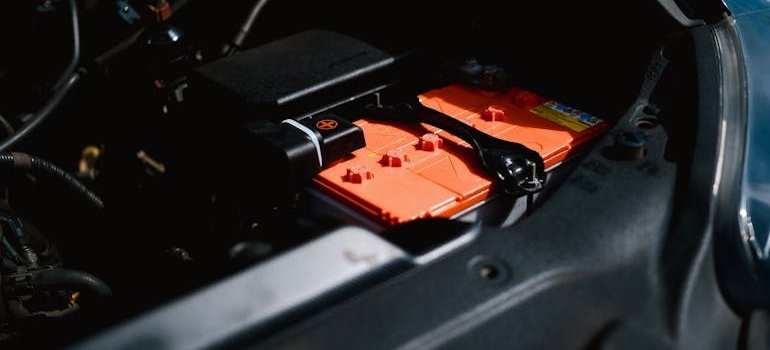
Another effective option is using a battery maintainer or trickle charger. These devices keep the battery charged at a safe level over time. Therefore, your vehicle will be ready to start when you need it again. Leaving the battery connected without support can lead to gradual discharge. Over time, this may shorten its lifespan or require replacement. Moreover, extreme temperatures can make the problem worse. By taking these steps, you extend battery life and reduce maintenance costs. Proper care ensures your vehicle remains reliable after storage.
Before Putting Your Vehicle in Storage, Take Care of Tires
Taking care of your tires is an important step before putting your vehicle in storage. When using storage near NYC, proper tire preparation helps prevent long-term damage. Start by checking tire pressure and inflating each tire to the recommended level. Low pressure can lead to flat spots if the vehicle sits for too long. In addition, inspect the tires for cracks, wear, or other visible issues. Addressing these problems early helps avoid complications later.
Long-term storage requires extra attention to tire care. For example, vehicles left in one position for months may develop uneven pressure points. Therefore, some owners use jack stands to lift the car slightly off the ground. This reduces stress on the tires and suspension. Moreover, rotating the tires before storage can help distribute wear more evenly. Taking these simple steps protects your tires and improves performance when you return. Proper preparation ensures your vehicle stays in good condition and ready for use.
Prevent Pest and Moisture Damage
Protecting your vehicle from pests and moisture is essential during storage. When using long term storage NYC options, even small openings can create serious problems. For example, rodents often enter through exhaust pipes, air vents, or gaps under the hood. Therefore, sealing these areas with proper covers helps prevent damage. You can use mesh, rubber caps, or specialized plugs for protection. In addition, keeping your vehicle clean reduces the risk of attracting pests. Even small crumbs or food wrappers inside the car can invite insects or rodents. As a result, a clean interior is a simple but effective preventive step.

Moisture can also cause long-term damage if not controlled properly. Damp air may lead to mold, unpleasant odors, or corrosion over time. To reduce this risk, place moisture absorbers inside the cabin and trunk. These products help maintain a dry environment. Moreover, cracking the windows slightly can improve airflow, but only if the storage area is secure. Avoid leaving any liquids or organic materials inside the vehicle. Over time, neglecting these details may lead to costly repairs. By taking these precautions, you protect your vehicle’s condition and ensure it stays ready for use after storage.
Choose the Right Storage Location
Selecting the right place to store your vehicle is a key decision. When exploring pick up and storage NYC services, location and features should guide your choice. Indoor storage offers strong protection from weather, dust, and debris. In contrast, outdoor storage may cost less but exposes your vehicle to rain, snow, and sun damage. Therefore, consider how long you plan to store the vehicle. For example, long-term storage often benefits from indoor or covered options. This helps maintain both appearance and mechanical condition over time.

Climate control is another important factor to review. Temperature changes and humidity can affect your vehicle’s interior and engine components. As a result, climate-controlled units help prevent rust, mold, and material damage. Security should also be a priority. Look for facilities with cameras, gated access, and on-site staff. In addition, choose a location that is easy to reach when needed. Accessibility saves time and effort, especially if you plan to check your vehicle occasionally. By comparing these features carefully, you can find a storage solution that protects your vehicle and fits your routine.
Use a Quality Cover When Putting Your Vehicle in Storage
Using a proper cover is an important step before putting your vehicle in storage. A high-quality cover protects the exterior from dust, dirt, and minor scratches. For example, breathable car covers allow air to circulate while keeping debris away. This helps prevent moisture from getting trapped under the fabric. As a result, your vehicle stays cleaner and in better condition. In addition, a well-fitted cover reduces the risk of marks caused by loose material moving against the surface.
Choosing the right type of cover depends on your storage environment. Indoor covers are usually lighter and protect against dust and small particles. On the other hand, outdoor covers are thicker and designed to handle weather conditions. Therefore, selecting the correct option is essential for proper protection. Moisture control is also important when using any cover. Trapped moisture can lead to mold or paint damage over time. To avoid this, make sure the vehicle is completely dry before covering it. By using the right cover, you add an extra layer of protection and help maintain your vehicle’s condition during storage.
Maintain Insurance and Registration
Keeping your insurance and registration active is an important part of vehicle storage planning. Even when your car is not in use, basic coverage protects your investment. For example, storage facilities may be secure, but unexpected events can still happen. Theft, fire, or accidental damage can occur without warning. Therefore, maintaining at least comprehensive insurance coverage is a smart decision. In many cases, insurance providers offer reduced plans for stored vehicles. This allows you to lower costs while keeping essential protection in place.

Legal requirements also play a role in your decision. Some states require vehicles to remain insured even when not driven. In addition, registration rules may vary depending on location and storage duration. It is important to check local regulations to avoid penalties. Moreover, keeping documents updated makes it easier to return your vehicle to use. You will not need to handle paperwork delays later. By maintaining coverage and staying compliant, you reduce risk and protect your vehicle’s value. This step ensures peace of mind throughout the storage period.
Create a Simple Storage Checklist for Easy Access
Staying organized makes vehicle storage much easier. A simple checklist helps you track what has been done and what still needs attention. For example, writing down maintenance steps ensures nothing is forgotten. This is especially useful if your vehicle will remain in storage for several months. In addition, keeping records allows you to review the condition of your vehicle later. As a result, you can return to it with confidence. Proper organization also saves time when preparing the vehicle for use again.
To stay on track, focus on a few key actions:
- Keep a written record of all maintenance and preparation steps
- Store keys in a safe and easy-to-find place
- Secure important documents, such as registration and insurance papers
- Plan periodic checks if the storage period is long
- Prepare a simple plan for restarting and inspecting the vehicle
By following these steps, you reduce the risk of missing important details. Moreover, you create a smoother process when it is time to use your vehicle again. A clear checklist keeps everything organized and helps protect your investment over time.
Store Your Vehicle Safely and Avoid Costly Repairs
Taking the right steps before putting your vehicle in storage can prevent many common issues. Simple actions, such as cleaning, checking fluids, and protecting key parts, make a clear difference. As a result, your vehicle stays in better condition over time. In addition, proper preparation helps you avoid expensive repairs later. Planning ahead also gives you peace of mind. You know your vehicle is protected and ready when needed. Moreover, following a checklist ensures nothing is missed. This approach saves both time and money in the long run. By preparing carefully, you can store your vehicle safely and return to it without stress or unexpected problems.
Frequently asked questions
How should you prepare a vehicle for storage?

Prepare your vehicle for storage by cleaning it, topping off fluids, inflating tires, disconnecting the battery, and using a protective cover.
What happens if I don't start my car for 6 months?
If you don’t start your car for six months, the battery may die, fluids can degrade, and parts like tires and seals may deteriorate.
What maintenance is needed after long storage?
After long storage, you should check the battery, fluids, tires, and brakes, and perform basic maintenance before driving again.
Reviews

Pavel Nikolskii
a month ago

This is my first experience renting a mini storage unit. I really liked it. Clean, quiet, calm, warm. There are convenient places to unload the car. Convenient access from the street. There is also a ramp for a cart. There are several spacious elevators. All elevators are clean and work. The storage unit itself has wooden flooring. Not far from the subway station. The polite employee patiently explained to me everything I wanted to know. Answered all my questions. Showed me several different storages. Explained the pricing. I am happy that I finally have a good place to store my things.


