


Comparing renting storage and in-house storage solutions
While choosing between external storage and self-storage, one must make a comparison between the two ways. It is also important to note that the benefits of each solution are different depending on the context. Comparing renting storage and in-house storage solutions makes you aware of your decision-making process to arrive at the most appropriate one. Both options come with distinct pros and cons, depending on your unique circumstances and priorities. After reading this guide, you will be able to determine which particular type of NYC mini storage best fits your lifestyle and the available space.
Space and accessibility
As far as space utilization is concerned, rented units are generally considered to be more flexible. Storage unit sizes vary depending on the company and client’s requirements, but it is always possible to opt for a larger unit if needed in the future. This becomes beneficial when people have dynamic storage needs, as they can easily move from one spot to the other. However, though they provide convenient storage solutions, accessibility is not very easy. Due to the location and possible working hours of the storage, picking up things from rented storage may be a little time-consuming exercise. At such a time, getting to your storage Hunts Point could involve walking through crowded areas or even waiting for a cart that is free to move around.
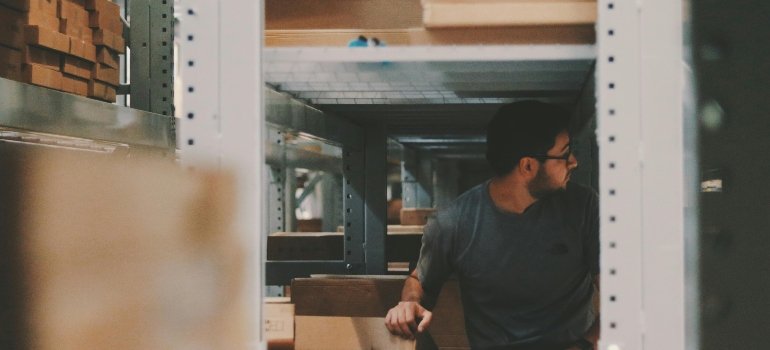
The in-house storage, on the other hand, is highly advantageous in terms of the ease of accessing information. Since all your valuable things are within the physical compound of your house, you do not have to go far to get them or inside your car to transport them. Most of the time, this convenience is highly effective for the constant use of such items. However, the disadvantage of using in-house storage is that there are some limitations as to the amount of space available for storage. In most cases, homes have a restricted area that is available for storage, which may lead to congestion in some sections. If not well coordinated, this leads to chaos and sub-optimal use of space. Instead, increasing the storage within a home often requires extensive remodeling or a loss of residential area.
Comparing renting storage and in-house storage solutions’ costs
When it comes to comparing renting storage and in-house storage solutions, several cost considerations need to be made. Acknowledgment of the start-up and the subsequent costs for each of the options can assist you in identifying which of the solutions is cheaper in your case.
Initial costs
The initial fees of renting storage Longwood NY are rather easy. You usually have to pay the first month’s rent and sometimes a security deposit. Some storage facilities may offer special pricing, although these savings are generally limited to the first month. Here’s what you may expect:
- First month’s rent: Often required upfront.
- Security deposit: Some facilities ask for this, which is refundable upon leaving.
- Lock purchase: You may need to buy a specific type of lock for the unit.
On the other side, establishing in-house storage sometimes incurs larger initial expenditures. These costs vary based on the level of customization you want. Common costs are:
- Shelving units: Purchasing or building shelving can be expensive, especially for larger spaces.
- Renovations: You might need to modify existing spaces, like a garage or basement.
- Storage bins and organizers: Costs add up quickly if you need to purchase multiple units.

Ongoing costs
Once your storage unit is set up, you will make monthly rental payments. Furthermore, many storage facilities demand you to have insurance, which raises the monthly costs. Ongoing expenses include:
- Monthly rent: This varies based on the size and location of the unit.
- Insurance: Some facilities require you to insure your stored items.
- Travel expenses: Consider the cost of driving to and from the storage facility.
In-house storage often has lower recurring costs. However, there are a few things to consider:
- Maintenance: Keeping your storage space clean and organized may require occasional expenses.
- Insurance: Homeowner’s insurance typically covers in-house storage, but you may need additional coverage for high-value items.
In summary, renting a storage unit often has lower initial costs but higher recurring expenses, whereas in-house storage involves a larger initial investment but may save you money in the long term.
Security and protection are important when comparing renting storage and in-house storage solutions
Rented storage containers often include modern security features to secure your possessions. Most facilities include gated entry, surveillance cameras, and on-site personnel to oversee behavior. Many include individual unit alarms, which also give an added layer of protection. Furthermore, these facilities frequently contain climate-controlled rooms that preserve delicate things such as electronics, artwork, and critical papers from temperature changes and humidity.
While in-house storage offers the convenience of easy access, security and environmental protection rely largely on your efforts. Consider the following:
- Home security systems: Installing alarms and cameras can enhance the protection of your stored items.
- Proper sealing: Ensure storage areas are sealed to prevent pests and moisture damage.
- Climate control: Use dehumidifiers or air conditioning to maintain stable conditions, especially in basements or attics.
- Fire safety: Keep fire extinguishers nearby and avoid storing flammable materials in enclosed spaces.

Time and effort
Managing in-house storage might involve a substantial amount of time and physical work. Organizing and maintaining storage areas at home sometimes requires sorting, cleaning, and rearranging. Depending on the available space, you may also need to spend time creating or installing storage solutions, which may be both physically tough and time-consuming. Hence, when you’re comparing renting storage and in-house storage solutions, you must consider time and effort.
Convenience of renting storage units
- Minimal setup: Facilities handle all the infrastructure, so you can start using your unit immediately.
- Professional assistance: Many storage facilities offer help with moving items, reducing your physical burden.
- Time-saving access: Extended hours and easy accessibility minimize the time spent retrieving items.
- Maintenance-free: The facility takes care of security and environmental control, leaving you with less to manage.
Physical effort comparison
In comparison, renting storage Highbridge NY greatly decreases the physical labor required. While you will need to relocate your goods at first, general upkeep and administration of your stored belongings need minimum physical effort. The ease of professional assistance and infrastructure means that once your belongings are in storage, your continuous work is reduced to periodic visits, making this choice significantly less physically taxing than maintaining in-house storage solutions.
Comparing the flexibility of renting storage and in-house storage solutions
Another advantage of renting a self storage East Tremont unit is that the customer gets a lot of freedom, which can be useful in cases when your need for storage space is not permanent. It is also easy to scale up or down the size of your unit depending on your needs, changing from small to large or the other way around. Most centers offer temporary contracts, allowing you to rent only the space you require during a move or renovation. Additionally, choosing a storage facility near your home or office adds convenience. This flexibility ensures that your storage solution can adapt to your lifestyle changes without being locked into a long-term contract.
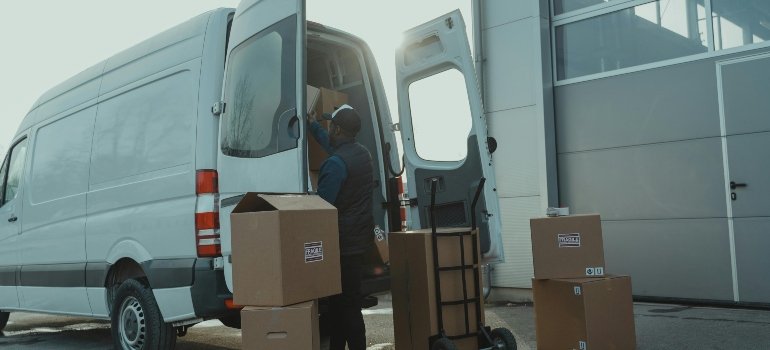
Renting storage units offers the advantage of easy scalability to meet changing needs. Expanding your storage space is straightforward, whether you need more room over time or additional space for seasonal items. This is particularly helpful for businesses or individuals expecting an increase in the volume of goods. However, in-house storage lacks the same scalability as rented options. Expanding storage at home often requires significant modifications, like adding shelves or constructing new spaces. These changes can be costly and time-consuming, making in-house storage less flexible compared to rented storage solutions.
Renting storage units for short-term and long-term needs
Renting a storage container is a great option for short-term purposes like a move, remodeling, or temporary relocation. Monthly leases give you the freedom to utilize storage space for as long as you need it without committing to a long-term commitment. This alternative is a simple and easy method to temporarily store goods without cluttering your living space.
Renting a facility for long-term storage provides security and protection for longer periods of time. Many facilities provide climate-controlled storage spaces, which are great for protecting costly or delicate goods. Furthermore, if your storage requirements change, you can quickly switch to a larger unit, making rental storage a scalable choice for long-term use.
In-house storage for short-term and long-term needs
If you have enough room, in-house storage might be useful for short-term purposes. Storing objects at home provides easy access and control, making it a suitable alternative for items that require regular or short-term access. However, space constraints may make it less desirable as your storage needs grow.
In-house solutions are most suited for long-term storage of objects that do not require regular access and are not affected by environmental conditions. While it avoids continuous rental fees, space limits and the need for annual maintenance are possible negatives. You may also need to invest in adequate storage equipment to guarantee that objects are kept safely over time.
Specialized storage requirements
When it comes to unique storage requirements, rental storage facilities sometimes have an advantage owing to their variety of amenities, such as climate control and additional security measures. Storage units Eastchester can handle objects such as artwork, electronics, and antiquities, which may require special environmental conditions. In contrast, in-house storage may fail to satisfy these unique requirements without major capital expenditure in equipment and space adjustments.

Location and accessibility
The fact that rented storage units are located offsite affects their proximity and usability compared to in-house units. If the storage facility is within close proximity of your home or your workplace, it will be convenient and time-saving for accessing your possessions. On the other hand, if the facility is quite a distance away, the time required to get there and the fuel costs can be off-putting, particularly if you are accessing your items often. Still, on the flip side, the in-house storage has the convenience of no transport because the goods are always within reach. However, this convenience depends on the available space at one’s home and its arrangement. Thus, the ability to get to your storage in New York is a crucial factor when it comes to choosing between them because it is something that influences your daily life.
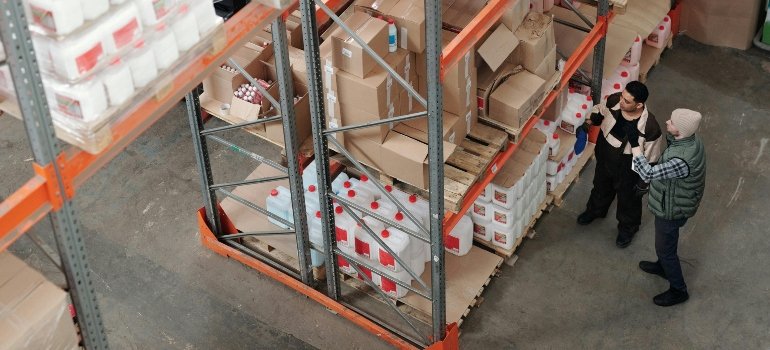
Comparing renting storage and in-house storage solutions 101
Choosing between external storage and an in-house storeroom depends on several key factors. External self storage in Bronx offers convenience, flexibility, and professional security, so it’s ideal for temporary or specific storage needs. You can adjust the size of your unit as your requirements change, and you don’t have to worry about the upkeep or security of the space. On the other hand, internal storage, such as a dedicated room in your home, is always accessible and could be more cost-effective in the long run. However, it often requires significant resources for setup and maintenance, such as building or modifying spaces, which can be both time-consuming and expensive. Once you’re done comparing renting storage and in-house storage solutions, you’ll be better equipped to make an informed decision that aligns with your specific needs and circumstances.
Reviews

Pavel Nikolskii
a month ago

This is my first experience renting a mini storage unit. I really liked it. Clean, quiet, calm, warm. There are convenient places to unload the car. Convenient access from the street. There is also a ramp for a cart. There are several spacious elevators. All elevators are clean and work. The storage unit itself has wooden flooring. Not far from the subway station. The polite employee patiently explained to me everything I wanted to know. Answered all my questions. Showed me several different storages. Explained the pricing. I am happy that I finally have a good place to store my things.


