


How storage location affects pricing: What you need to know
Before renting a storage unit for your items, you should know that storage location affects pricing. Hence, although many renters focus on factors such as unit size or rental length, location remains the biggest factor that influences how much you will pay. Urban spots often command higher costs while rural or less-populated zones usually offer lower rates. As rates vary a lot across New York City, searching for the storage companies NYC residents trust reveals wide differences across boroughs. Accessibility, demand, and neighborhood reputation sway price levels. Thus, each renter must balance desired amenities against travel distance.
High-demand vs. low-demand areas
Demand shapes pricing across the five NYC boroughs. Each area features unique dynamics. Manhattan remains the priciest as its central location and dense population mean limited available space. High land values and premium neighborhoods produce elevated monthly fees.
Brooklyn also sees heavy demand. Certain sections have become trendy, drawing new residents and businesses. Many seek extra space for personal items or business inventory, pushing rates upward. Queens features mixed pricing. Generally, storage location affects pricing in a way that storage in areas near major transit hubs costs more, while storage in regions farther away from active business zones offers moderate rates.

People searching for lower prices often look at the Bronx. Many pick storage near me Bronx locals rely on because that borough frequently offers cheaper options. Staten Island runs somewhat cheaper too. Its distance from central economic centers leads to lower overall rental costs. However, limited transportation routes mean some inconvenience. Travel times can be longer, which might offset savings.
Demand fluctuates based on season. Warmer months bring more moves as many people shift apartments or change living arrangements at that time. That triggers heavier demand across Manhattan, Brooklyn, Queens, The Bronx, and Staten Island so fees go upward. On the other hand, slower months sometimes allow renters to find promotions or deals.
Businesses in NYC also impact pricing. Companies store merchandise, office furniture, or promotional material and their needs compete with personal renters. A location near a busy commercial district may charge a premium.
Weighing convenience against cost can be tricky. Some renters prefer a lower monthly rate while others value a shorter commute. Both these approaches have pros and cons.
Urban vs. suburban storage: Cost and convenience trade-offs
NYC-based storage facilities sit in dense zones with frequent foot traffic. As storage location affects pricing, rates run higher in these popular, densely populated zones. Conversely, suburban facilities located on the outskirts can cost significantly less. That difference is evident in monthly bills so many residents face a choice whether to pay more for storage in the city or commute farther to their unit for a cheaper deal.
Storage near NYC remains popular among those who dislike long drives. Placing items near jobs or apartments helps save time because access is easier thanks to public transit options and quick drop-offs or pickups fit busy schedules. However, city-based units carry extra costs and this results in steeper monthly rates.

Suburban storage sites sometimes offer bigger units at friendlier prices. Renters with many boxes can benefit. People with large furniture or bulk business inventory see cost advantages. However, the trade-off involves travel as driving out of NYC for each visit takes time. Traffic can be an obstacle and gas costs also stack up. Although parking might be more plentiful in suburban areas, the commute can be tiring.
Balancing these aspects becomes critical. Some prefer paying higher fees in Manhattan, Brooklyn, or Queens to save time and energy. Others aim for a better deal beyond city boundaries. Over several months, the difference can be significant so make sure to compare potential commutes against monthly savings. In many cases, suburban storage pays off if visits remain infrequent.
Accessibility and security: How they impact pricing
Many city dwellers want round-the-clock entry and that convenience often raises the rate. Providers invest in staff scheduling, lighting, and extra maintenance costs. Many renters happily pay more for 24/7 access because it makes life easier for late-evening visits. Some people run online shops and need flexible hours to retrieve inventory.
Security features also matter. Gated entry, ample lighting, and cameras come at a price. Self storage Manhattan people love frequently highlight robust security for peace of mind. Facilities with individual alarms on each unit may charge a premium but that extra layer of protection can appeal to those storing valuable items. People may see that extra cost as wise spending.
The building layout has an impact on price. Drive-up options allow direct loading without lugging items through hallways or elevators. Those spots tend to command higher monthly fees. On the other hand, multi-floor facilities often cost less since moving items up or down floors requires more effort. Many pick convenience because time is money.

Neighborhood safety also factors in. Some areas see higher theft risks. Facilities in those regions often invest heavily in staff, cameras, and perimeter fencing. Those security enhancements appear on monthly invoices. Some renters prefer an option that balances moderate security with a fair price. Others want top-tier protection. The result: a range of fees for each preference.
Climate-controlled vs. standard storage
Climate control protects delicate items. Paintings, electronics, and musical instruments benefit from consistent temperature and humidity settings. Garments and wooden furniture also stay in better shape. As NYC experiences humid summers and chilly winters, these fluctuations harm sensitive goods so climate-controlled units are necessary.
Vehicle storage NYC residents choose may include climate control. That setup keeps classic cars or specialty vehicles free of corrosion. As you can expect, facilities that offer temperature regulation usually charge more because energy bills increase.
Some stored items do not need climate regulation. Dishes, metal tools, or plastic bins can tolerate ordinary conditions. Many standard units remain dry and secure and the difference lies in extreme heat or cold. Climate-controlled setups address that risk. A higher monthly bill might feel steep, but it prevents damage. Regular maintenance of HVAC equipment adds expenses. People must decide if these services match their item requirements.
The cost difference can vary. Some providers add a small percentage on top of standard rates while others charge a heftier premium. Analyzing stored goods helps in deciding. Priceless antiques or valuable collectibles deserve extra care. Less fragile stuff might do fine in a standard unit. Many weigh item value against climate fees. In many cases, climate control becomes worthwhile for peace of mind.
How storage space affects costs
Cost often correlates with how many square feet a renter needs. Larger units cost more each month. People sometimes reserve a bigger space than required and that means money goes unused. Estimating how many boxes, furniture pieces, or other items will fit helps avoid overpaying.
Car storage Manhattan residents adore exists in various sizes. Those who only store a sedan might need a compact unit. Large trucks or vans need more room. Height also matters because some units have higher ceilings and a tall space can accommodate stacked boxes or shelves. That layout allows more items to fit into a smaller footprint.
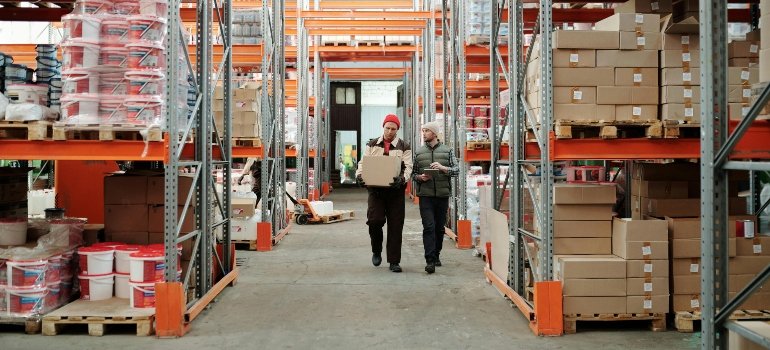
Some providers offer specialized lockers. These small compartments suit those with minimal items. Pods or container-based solutions also exist. They can be delivered, loaded, and hauled away. Each arrangement comes with a unique cost structure. Pods may reduce some manual labor. Traditional units remain the classic option. Lockers can be the least expensive choice if space needs remain minimal.
Short-term vs. long-term rentals
Some renters need storage for only a few weeks, while others plan a year or more. The contract length influences rates. Many facilities charge higher monthly fees for brief stays. Providers might see that arrangement as riskier as short-term tenants can leave at any time.
Long-term users often receive loyalty perks. Some providers advertise discounted rates on extended deals. Those who want small storage units NYC residents love might get the same month free for the entire year. Some companies apply reduced rates after a certain number of months, which benefits those with stable storage needs. Check the terms before signing as hidden fees can appear or early termination might trigger penalties.
Month-to-month arrangements can work for people in flux. They retain flexibility, which sometimes however costs more each month. Facilities often want predictable revenue and long-term contracts deliver that. Month-to-month renters might see less favorable pricing. However, they can exit without long commitments.

Cancellation terms also warrant caution. Some facilities demand notice periods of 30 days or longer. Others might add administrative costs. Also, late payments can incur penalty fees. For all these reasons, reading the fine print is wise. Some deals look cheap initially and then surprise charges appear. Ask about any deposit or insurance requirements as those can stack up as well.
Additional services that can increase costs
Many people consider add-ons. Insurance coverage remains one example. Storage insurance often provides a safety net because it shields items against unexpected damage or theft. That coverage adds a monthly fee. Moving assistance is another extra service since you may have to hire help to load or unload boxes. These professionals will also help you to handle everything if you don’t have the time or energy to complete the task on your own.
Package acceptance can be another perk. Facilities might receive deliveries on behalf of renters. That arrangement helps small businesses. It also benefits those who travel often. This service usually raises monthly bills. Some buildings include loading docks, lifts, or drive-in garages and others provide handcart or dolly rentals. Each feature can push costs upward.
Storage companies that pick up items add a layer of convenience. That service streamlines the process. A driver arrives, collects belongings, and transports them. However, expect higher rates for that benefit so weigh the value of saved time against the extra fee.

Here is a quick summary of extra services that may elevate costs:
- Insurance for valuables
- Moving help or loading crews
- Delivery acceptance or mail handling
- Handcart or dolly rentals
- Specialized trucks for pickup services
It is worth checking if these additions fill a pressing need. Some renters choose minimal frills and others pay for services that free up time. Each extra feature can raise monthly bills so prioritize what truly helps.
How to find the best storage deal in NYC
Comparing multiple facilities helps uncover fair rates. Research local providers and confirm total costs. Use the potential of online booking portals that can show side-by-side pricing. Some platforms display discounts or promotions, which can help you spot better deals faster. Also, reading customer reviews uncovers hidden issues, such as poor service or cleanliness concerns.
Negotiation works in some cases. Sales staff sometimes offer lower rates when asked. It depends on occupancy levels as facilities with many open units may lower the price. Peak season can limit these deals but off-season storage hunting has better odds for negotiations. Winter months see fewer renters, which can yield lower rates.
Seasonal fluctuation appears in many parts of NYC. Warmer weather brings more moves and higher demand means inflated pricing. Searching in cooler months sometimes results in cheaper deals, so if you are flexible with move dates, you might benefit from that pattern.
Personal referrals can also help. Friends or colleagues may share discount codes or loyalty perks. Some providers offer referral bonuses. Searching “storage near NYC” might reveal large chains. Meanwhile, smaller or family-owned operations sometimes remain unknown. Checking local directories can unearth hidden gems. Thorough research prevents hasty choices so sign up only after verifying hours, security features, and total costs.
Understanding storage pricing before you rent
Storage location affects pricing in many ways. NYC features a broad spectrum of costs. Neighborhood demand, building features, contract lengths, and security measures all factor in. Rates in Manhattan differ drastically compared with Staten Island. Urban sites remain convenient but tend to cost more while suburban spots can save money, though travel time might increase. Knowledge shapes better decisions so compare multiple facilities, question extra fees, and look for promotions. Check reviews and confirm security protocols. See if public transit access or parking aligns with your preferences. In the end, a well-chosen location that suits your budget and convenience needs leads to greater satisfaction. Make sure to weigh each factor and your storage experience will be positive and cost-effective.
Reviews

Pavel Nikolskii
a month ago

This is my first experience renting a mini storage unit. I really liked it. Clean, quiet, calm, warm. There are convenient places to unload the car. Convenient access from the street. There is also a ramp for a cart. There are several spacious elevators. All elevators are clean and work. The storage unit itself has wooden flooring. Not far from the subway station. The polite employee patiently explained to me everything I wanted to know. Answered all my questions. Showed me several different storages. Explained the pricing. I am happy that I finally have a good place to store my things.


