


Indoor vs outdoor car storage: Which is better for your vehicle?
Keeping your vehicle in good condition requires the right storage plan. Many city drivers use full service storage NYC options when traveling, relocating, or facing limited parking. These facilities offer pickup, maintenance checks, and climate protection while you’re away. Proper storage also helps prevent issues like rust, battery drain, or paint damage caused by weather exposure. Some drivers prefer outdoor parking for easy access, while others choose enclosed spaces for extra safety. The choice between indoor vs outdoor car storage depends on budget, convenience, and vehicle type. Classic cars or luxury models often need temperature-controlled protection, while daily commuters may prioritize cost and accessibility. Understanding the difference will help you keep your car secure and in great shape all year.
Understanding the basics of car storage
Keeping a car stored properly is essential when it’s not used daily. Many New Yorkers rely on car storage NYC services when traveling for extended periods or during harsh winter months. Storage options vary based on how long you plan to leave your vehicle parked. Short-term storage is ideal for a few weeks or months, such as when leaving the city for work or vacation. Long-term storage works better for classic cars, luxury vehicles, or convertibles that need protection from weather and road salt. The right choice depends on how often you drive and where you live in the city.
Several factors influence which storage option fits best. For instance, indoor facilities provide temperature control and better security, while outdoor spaces cost less and allow easier access. People who own collector cars often prefer climate-controlled garages to prevent moisture damage. Meanwhile, daily commuters who leave town briefly might use covered outdoor parking. Before deciding, think about your car’s value, condition, and your storage goals. Understanding these basics helps you select the safest and most practical solution for your vehicle.
Key differences between indoor vs outdoor car storage
Storing a car safely in New York depends on your needs, location, and budget. Indoor facilities for vehicle storage NYC provide full protection from rain, snow, and extreme temperatures. They also reduce the risk of theft or vandalism, which can happen in open lots. These garages often include features like security cameras, climate control, and restricted access. However, the added protection comes at a higher monthly cost, usually starting around $400 and reaching up to $800 for premium spaces. Outdoor storage, on the other hand, is more affordable and convenient for short-term use but leaves vehicles exposed to the elements.

Different types of cars benefit from each option. For instance, classic or luxury vehicles should always stay indoors to prevent paint damage and rust. Every day, cars or SUVs that are used regularly may be fine in covered outdoor spaces, especially if fitted with quality car covers. For long absences, indoor storage provides greater peace of mind, while outdoor parking suits drivers who value accessibility and lower costs. Choosing between the two depends on how often you use your car and how much protection it needs.
Advantages of indoor car storage for vehicle protection
Indoor car storage offers several advantages, especially for city residents who want reliable protection. Facilities like secure self storage NYC provide enclosed spaces that shield vehicles from snow, rain, and harsh sunlight. The weather in New York can be unpredictable, and outdoor exposure often leads to paint fading or rust buildup. Inside a controlled environment, your car stays safe from debris, road salt, and moisture. Climate-regulated garages also maintain stable humidity and temperature levels, which help preserve the car’s battery, tires, and engine over time.

Security is another major benefit. Most indoor storage facilities feature surveillance cameras, coded entry systems, and staff on-site around the clock. This setup greatly reduces the risk of theft or vandalism compared to outdoor lots. For owners of luxury cars, sports models, or collectibles, the extra protection is well worth the cost. Indoor storage also prevents damage from rodents and falling branches, which are common in open areas. Overall, it’s an ideal option for anyone seeking long-term preservation, safety, and peace of mind for their vehicle.
Benefits of outdoor car storage for convenience and cost
Outdoor storage can be a practical and budget-friendly choice for city drivers. Many motorcycle storage NYC providers also offer outdoor parking for cars, making it convenient for residents with multiple vehicles. Costs are often significantly lower than indoor options, starting around $150 per month depending on the location. These open-air lots or covered parking areas are ideal for drivers who use their vehicles regularly and need easy access. For example, commuters who drive daily find it simpler to park and retrieve their cars without scheduling ahead or dealing with restricted hours.
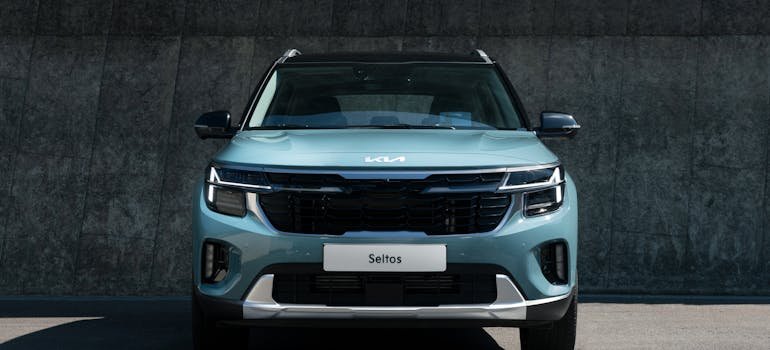
Flexibility is another strong benefit of outdoor car storage. You can choose short-term arrangements for seasonal use or during apartment renovations. Covered structures provide some protection from sunlight and rain while keeping rental rates affordable. This option suits durable, everyday cars that can handle weather exposure with regular maintenance. Although outdoor storage may not offer full climate protection, it balances accessibility and cost. For many drivers, especially those with frequent on-the-road schedules, outdoor storage delivers both value and convenience in busy urban settings.
Comparing climate impact in indoor vs outdoor car storage
Climate plays a major role in how well your car holds up over time. Sudden temperature swings and high humidity can cause serious wear on exterior and internal parts. For instance, heat can dry out rubber seals and fade paint, while freezing conditions may damage batteries and tire pressure. Many drivers use long term storage NYC facilities to protect vehicles from these issues, especially during winter months. Indoors, temperature and humidity stay consistent, preventing condensation that leads to rust. Cars stored outside, however, face more frequent maintenance needs and faster aging from sun, salt, and moisture exposure.
When comparing indoor vs outdoor car storage, it’s clear that climate protection makes a noticeable difference. Paint and clear coat stay glossy longer when shielded from UV rays. Interiors made of leather or vinyl can also crack if left in direct sunlight. For outdoor parking, a high-quality, weatherproof cover helps reduce water buildup and protects the surface from debris. Applying wax and keeping tires inflated also adds protection. Choosing the right environment for your vehicle ensures it stays reliable and well-preserved year-round.
Cost comparison: What you really pay for car storage
Storage prices in New York vary based on location, amenities, and security features. Indoor facilities typically charge higher rates because they offer more protection. On average, enclosed car storage costs between $400 and $800 per month, depending on the neighborhood. Outdoor parking, however, can start as low as $150 in less busy areas. Drivers who choose to rent storage in NYC often pay extra for benefits such as climate control, 24-hour access, and enhanced security systems. These upgrades are worth it for expensive or collector vehicles that need long-term protection. Some companies also include car maintenance checks or battery charging in their premium packages.

Insurance is another important factor to consider. Many facilities offer optional coverage for fire, theft, or weather-related damage, usually adding $20 to $50 to the monthly fee. To balance cost and safety, think about how long you plan to store your car and how valuable it is. For short-term use, an outdoor lot might be enough. For long-term protection, though, the added cost of indoor storage pays off in the vehicle’s condition and resale value.
Security considerations for both storage types
Security should always be a top priority when choosing where to store your car. Indoor facilities for indoor vs outdoor car storage usually provide the highest level of safety. They feature gated access, on-site staff, and 24-hour surveillance cameras. Some also require personal access codes, ensuring only authorized users can enter. These measures help prevent theft, vandalism, or accidental damage. In addition, climate-controlled garages protect vehicles from moisture and rust, keeping them in excellent condition over time. However, these benefits often come with higher monthly rates compared to outdoor options.
Outdoor lots can still be secure when properly managed. Many have strong fencing, bright lighting, and regular patrols to discourage trespassing. Some also offer covered parking areas to reduce weather-related risks. Before renting any storage space, always check the company’s safety policies and insurance coverage. Confirm whether your car will be insured against fire, flood, or theft. Reading reviews and visiting the facility in person can also reveal how seriously it takes security. A well-secured location provides both peace of mind and reliable protection for your vehicle.
Seasonal storage: How weather affects your decision
Seasonal weather conditions play a major role in deciding how and where to store your vehicle. During winter, snow, ice, and road salt can cause rust and corrosion, especially if a car stays outdoors for long periods. Indoor storage is often the best choice during these months since it provides a dry, temperature-controlled environment. For example, if you leave the city during the colder season, keeping your car in an enclosed garage prevents battery drain and protects paint from salt damage. In contrast, summer brings its own challenges. Constant heat and humidity can fade paint, crack interiors, and wear down tires faster.
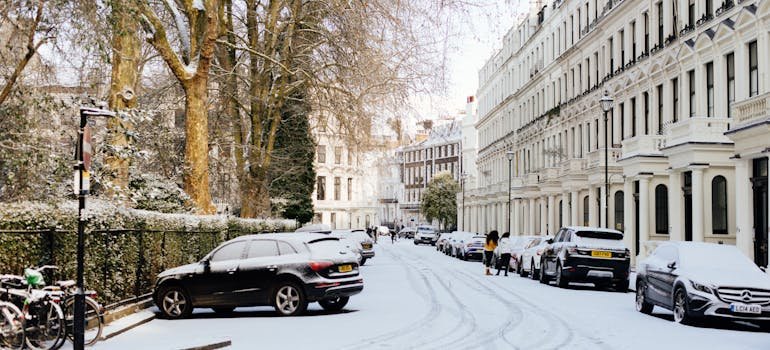
For travelers or snowbirds who leave New York City for months, switching storage types based on the season is a smart move. Outdoor lots may work well in mild weather, but indoor facilities offer better year-round protection. Adding a car cover during hot months also reduces UV exposure. Before storing your car for any season, clean it thoroughly, check fluid levels, and inflate the tires properly. These steps ensure your vehicle stays in good shape and ready to drive when you return.
Who should choose indoor vs outdoor car storage
Selecting the right storage type depends on how you use your car and what conditions it faces. Collectors and owners of rare or luxury vehicles usually benefit most from indoor storage. It keeps cars safe from weather, temperature shifts, and potential damage. Long-term travelers who leave their vehicles unattended for months also prefer enclosed facilities for better peace of mind. However, outdoor storage remains a great choice for drivers who need frequent access or use their cars daily. It provides flexibility and convenience without the higher costs of a climate-controlled garage.
- Collectors: Choose indoor storage to protect paint, leather interiors, and batteries.
- Commuters: Opt for outdoor parking for quick access and lower monthly costs.
- Frequent travelers: Store your vehicle indoors to prevent damage during long absences.
How to find reliable car storage facilities near you
Finding a reliable storage provider requires careful research and attention to detail. Start by reading customer reviews and checking online ratings for facilities offering storage near NYC. Look for feedback on safety, cleanliness, and customer service. Security should always come first, so check whether the facility has surveillance cameras, gated access, and 24-hour monitoring. Comparing contract terms also helps you understand costs, cancellation policies, and included services. For example, some facilities provide battery checks, tire pressure monitoring, or vehicle washing for long-term clients. These added benefits can make a big difference in maintaining your car’s condition.

It’s also wise to visit the storage site in person before booking. This allows you to inspect the space and ensure it matches your expectations. Ask clear questions about insurance options, maintenance procedures, and how often you can access your car. A good facility will be transparent and willing to explain its policies in detail. Choosing a trustworthy provider ensures your vehicle stays protected, accessible, and well-maintained throughout the storage period.
Making the smart choice for your vehicle’s safety
Choosing the best storage option depends on your car’s value, how often you use it, and the local climate. Both indoor and outdoor facilities offer benefits, but the right decision keeps your vehicle safe and well-maintained. Indoor storage provides full protection from weather, theft, and damage, while outdoor options offer affordability and convenience for regular drivers. Before deciding, think about long-term costs, accessibility, and the level of care your car needs. Researching reputable providers and visiting locations can also help you feel confident in your choice. Whether you own a luxury vehicle or a daily commuter, comparing indoor vs outdoor car storage options ensures your car stays secure, clean, and ready for the road whenever you need it.
Reviews

Pavel Nikolskii
a month ago

This is my first experience renting a mini storage unit. I really liked it. Clean, quiet, calm, warm. There are convenient places to unload the car. Convenient access from the street. There is also a ramp for a cart. There are several spacious elevators. All elevators are clean and work. The storage unit itself has wooden flooring. Not far from the subway station. The polite employee patiently explained to me everything I wanted to know. Answered all my questions. Showed me several different storages. Explained the pricing. I am happy that I finally have a good place to store my things.


