


Storage tips for remote workers in Manhattan apartments
Working from home in Manhattan has become more common, especially in small apartments. Whether you run a startup or manage daily tasks remotely, using business storage NYC can free up space. Many apartments lack room for files, tech gear, and extra supplies. As a result, work and personal life often clash. However, smart storage helps separate the two. It also reduces clutter and improves focus. You can store seasonal items, old paperwork, or equipment you use occasionally. That way, your workspace stays organized. This is especially helpful for remote workers in Manhattan apartments who don’t have a dedicated office. With a plan in place, even small spaces can support long workdays without feeling cramped or chaotic.
Understanding the daily space challenges for remote workers in Manhattan apartments
Living in Manhattan often means working from a small apartment with limited space. Many people don’t have a separate room for work. Instead, they use their bedroom or kitchen table as an office. This setup can be distracting, especially when personal items mix with work materials. Manhattan storage helps by creating more breathing room. For example, if your home office is also your dining area, storing printers or old files elsewhere keeps the space usable. It also improves focus during work hours.

Shared living adds another challenge. Many remote workers live with roommates or partners who are also at home all day. Noise and clutter build up fast in places like Hell’s Kitchen or the East Village, where apartments are often small. Long work hours also mean more cables, monitors, and office supplies lying around. Eventually, it becomes hard to relax after logging off. To avoid that, it helps to rotate items between your home and a storage unit. This makes everyday life and work easier to manage in compact Manhattan apartments.
Assessing your work-from-home storage needs before reorganizing
Before you reorganize your workspace, take time to understand what you use every day. Write down which items you reach for during meetings or tasks. These include your laptop, notepad, pens, chargers, and headphones. Next, look at items you only need once a week. You can likely move those to a different room or store them elsewhere. Using storage units NYC makes it easier to separate what stays at home from what adds clutter. For example, extra monitors or archived files can go into storage while keeping your desk free.

You should also measure any available closets or shelves. Some spaces go unused simply because they’re not organized well. Consider adding bins or small racks to hold your supplies. Then, focus on what should stay within reach. Keep a clear surface near your desk for high-use tools and tech gear. Avoid stacking everything in one corner, as it can quickly feel cramped. Clean zones support better focus, even in small apartments. When you plan ahead, working from home becomes more comfortable and less stressful.
Storage strategies designed for remote workers in Manhattan apartments
Dividing your workspace by task and frequency can make a big difference. Keep the tools you use daily—like notebooks, chargers, and your headset—within arm’s reach. Store rarely used items, such as reference books or mailing supplies, in labeled bins or boxes. If you’re short on space, consider NYC apartment storage to keep your extra gear organized off-site. For example, stashing away seasonal work items like presentation boards or backup tech helps clear your home office.
Shared rooms present another challenge. Try creating a mobile work zone with a folding desk or rolling cart. This makes it easy to set up and pack away your space each day. Use vertical storage such as wall-mounted shelves or over-the-door organizers to save floor space. After work hours, close laptops and tuck items away in drawers or containers. This keeps your home from feeling like an office 24/7. Over time, these small changes help improve focus during work and relaxation afterward, even in compact Manhattan apartments.
Using off-site storage to protect work-life boundaries
Storing all your work gear at home can quickly blur the line between job and personal life. This often leads to burnout, especially in small spaces. Once your apartment feels like an office 24/7, it becomes harder to relax. Instead, consider off-site solutions and rent storage in NYC to take the pressure off your living area. For example, you can store backup monitors, seasonal supplies, or old paperwork you rarely use.
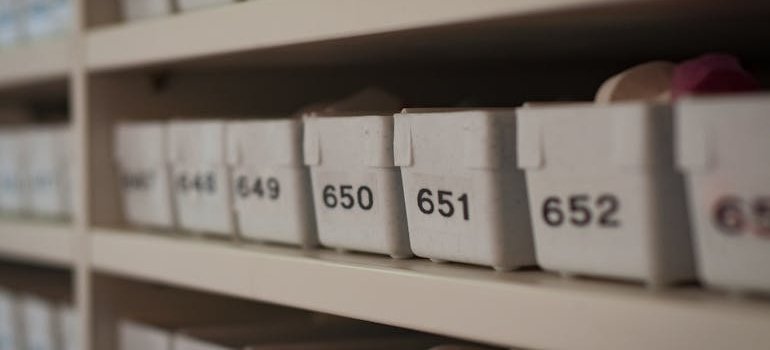
Many remote workers in Manhattan apartments find relief when they rotate items between home and storage. For short-term needs, use a nearby facility to access equipment easily. For long-term needs, pack away items like archived files or trade show materials. Make sure to label everything clearly and keep a list of stored items. Choose a location close enough for quick access when needed. That way, your home stays clear while your workflow remains uninterrupted. Setting these boundaries helps maintain both mental focus and physical space—two essentials for remote workers in busy Manhattan neighborhoods.
How remote workers in Manhattan apartments can manage tech and paperwork
Remote work in small apartments often leads to clutter and fatigue. When everything stays in your living space, it’s harder to relax after hours. Over time, this can lead to burnout. To avoid this, many professionals use storage near NYC to remove the extra pressure. For instance, items like trade show displays, spare tech gear, or archived files don’t need to stay in your apartment all year.

Short-term and long-term storage can serve different needs. If you only need to clear space during a project, short-term storage works well. However, if you’re building up years of records or spare furniture, a longer plan makes more sense. Either way, label your boxes clearly and keep a list of stored items. Also, make sure you choose a location that’s easy to access. That way, you’re not stuck when you need something on short notice. Smart planning gives remote workers more control over their space. It also helps maintain a better work-life balance in Manhattan’s limited living areas.
Storage considerations for remote workers in Manhattan overall
Living in Manhattan means dealing with building types that vary greatly. Some remote workers live in prewar buildings with thick walls and less closet space. Others rent in newer buildings with smaller floor plans but added amenities. Either way, planning ahead helps reduce clutter and daily stress. Many remote workers in Manhattan apartments struggle with space because layouts are tight and unpredictable. So, it becomes important to choose storage setups based on what your building allows.

Elevator access also plays a key role in how you manage work gear. Some buildings restrict when you can move things in or out. Others have narrow staircases or limited entry points. Because of that, storage planning should match your lease length and mobility. If you expect to move soon, short-term storage gives you flexibility. But for long stays, long-term storage works better for offloading extra desks, files, or monitors. Always check your lease for rules about shelving, deliveries, and space use. With the right approach, even a small apartment can support a healthy and productive remote work setup.
Remote work storage tips for the Upper West Side
The Upper West Side attracts many professionals who need space and stability. Apartments in this neighborhood are often larger than those in Midtown or Downtown. Many units have multiple rooms, which gives remote workers more layout options. Still, families often share the space. That means scheduling needs and shared living areas can quickly get in the way of focused work. Using storage units Upper West Side residents trust can help you set aside what doesn’t need to be in your apartment daily.
Multi-room apartments offer flexibility, but clutter adds up fast. A spare bedroom may double as an office and guest space. Storing extra chairs, backup laptops, or printed materials off-site keeps these rooms functional. This is especially useful when you live with children or roommates. Instead of letting work gear spill into your living room, keep only what you need close by. Place everything else in clearly labeled boxes and rotate as needed. Remote workers in the Upper West Side benefit from strong transport links and a quieter pace, but storage support makes their setup much easier to maintain.
Storage solutions for remote workers living in the Lower East Side
Apartments in the Lower East Side are often compact, with limited closets and narrow layouts. Many residents work remotely but live in buildings not designed for that lifestyle. This makes it hard to separate work and personal belongings. Using storage Lower East Side renters rely on helps create breathing room. For example, you can store seasonal work tools, extra chairs, or files that aren’t needed daily. That way, you free up space for items you use more often.
Multi-use furniture makes a big difference in tight apartments. Look for desks with built-in drawers or beds with under-storage options. These small upgrades can hold work supplies without taking over your home. If you share your apartment, storage becomes even more important. Use bins or shelves to keep your area tidy and rotate items based on the season. For instance, you can store winter gear during summer to make room for fans or light work clothes. The Lower East Side has great energy and convenience, but staying organized requires smart storage habits and space-saving tools.
Remote work storage planning in Midtown Manhattan apartments
Midtown Manhattan is packed with studio apartments and small one-bedroom units. These buildings are often designed for short stays or busy professionals. As a result, remote workers here face limited space and constant background noise. Many use off-site storage to move out non-daily items like sample products, archived files, or spare monitors. This clears up the workspace without losing access. Midtown is also close to major transit lines, so picking a storage location nearby helps you stay efficient.
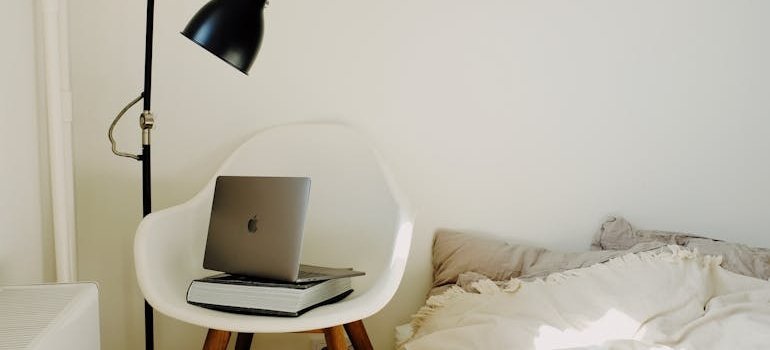
Apartments in Midtown rarely offer separate rooms. This makes it hard to create a calm work zone. Try placing a folding screen or curtain near your desk to block visual distractions. Noise-canceling headphones also help when working near windows or busy hallways. For rotating items like lighting kits or presentation gear, fast-access storage is key. Choose a facility within walking distance or near your subway line. That way, you can update your setup as projects change. Remote work in Midtown is manageable with the right tools and storage support, even in a studio-sized space.
Common storage mistakes remote workers make in small Manhattan apartments
Many remote workers in small Manhattan apartments make avoidable storage mistakes. These issues build up over time and affect both comfort and productivity:
- Overkeeping outdated equipment: Old monitors, cables, or broken printers take up space. Try recycling or donating unused gear every few months.
- Poor labeling and item tracking: Boxes without labels cause confusion. Always use clear labels and make a digital list of what’s stored.
- Blocking access to frequently used tools: Avoid piling items in front of what you need daily. Keep your laptop, headset, or notebooks easy to reach.
- Ignoring climate exposure risks: Paper files, electronics, and certain fabrics can get damaged. Choose climate-controlled storage for sensitive items.
Taking time to correct these mistakes leads to a better work-from-home setup. Begin by organizing one small area, such as your desk or a closet. Next, move non-essential items into labeled bins. Then, place those bins in a closet or an off-site unit. Finally, check your space monthly to stay on track. Small changes help remote workers avoid clutter and keep their apartments functional and calm.
Building a sustainable setup for remote workers in Manhattan apartments
Creating a sustainable home workspace starts with managing space wisely. Even in small apartments, simple steps can reduce clutter and stress. Off-site storage can support better routines by removing items that don’t need to be at home daily. Labeling, rotating, and storing by task helps keep tools within reach but out of the way. Multi-use furniture, clear zones, and regular cleanups all contribute to a more efficient setup. For remote workers in Manhattan apartments, these changes make a big impact. A clean and organized environment supports better focus and work-life balance. As your needs change, your system should adapt too. With smart planning, it’s possible to work comfortably, even in the most space-limited homes.
Reviews

Pavel Nikolskii
a month ago

This is my first experience renting a mini storage unit. I really liked it. Clean, quiet, calm, warm. There are convenient places to unload the car. Convenient access from the street. There is also a ramp for a cart. There are several spacious elevators. All elevators are clean and work. The storage unit itself has wooden flooring. Not far from the subway station. The polite employee patiently explained to me everything I wanted to know. Answered all my questions. Showed me several different storages. Explained the pricing. I am happy that I finally have a good place to store my things.


