


Storing your valuables the right way!
Storing your valuables the right way starts with a smart location. City dwellers who pick NYC Mini Storage gain a secure base, trained staff, and flexible plans—all vital when family heirlooms or prized collectibles need space beyond the apartment walls. The guidance we have prepared for you pairs proven data with clear steps to protect every item and keep peace of mind.
High use equals great choice
Recent surveys confirm strong demand. One–third of Americans already rent storage, and another 18 percent plan to join them soon. High use means greater choice, yet it also raises risk if you rush the decision. Theft reports underline this point. In a 2024 review, police logged crime calls at more than 75 percent of Nashville-area facilities. You win when you screen each property instead of picking the first one that fits your budget.
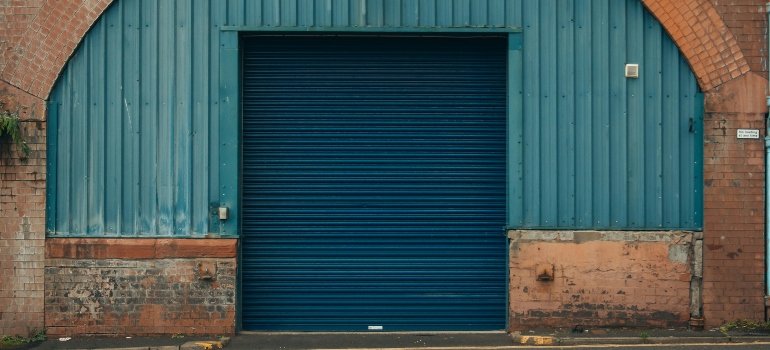
Check these features before signing a lease:
- A staffed gate that tracks every plate number.
- Bright LED lighting along aisles and doorways.
- Cameras that record 24/7 and keep footage for at least 30 days.
- Individual alarms that are triggered if someone enters your unit.
- Fire-rated walls and ceiling sprinklers that limit smoke spread.
Climate control protects wood, paper, vinyl, and photos. Conservation experts recommend maintaining steady conditions between 50 °F and 77 °F, with a relative humidity of 45 to 55 percent. This narrow band prevents mold from growing and prevents paper from warping. Many facilities install digital sensors that alert managers when readings drift, so ask to see the logs during your tour.
Expect higher rent for that protection. National averages show standard units cost about $96 per month, while climate-controlled units cost roughly 20 percent more, depending on city and size. Yet that premium pales next to the price of replacing a warped guitar or a split mahogany table. Always balance rent against repair costs.
Short term storage
Urban renters often need short commitments while they renovate or travel. Short term storage NYC locals are fond of give you month-to-month flexibility without forcing a six-month lock-in. Pick a provider that lets you upsize or downsize at no penalty, so you can move from a locker to a larger room after a big estate sale. Clear terms spur confidence and save fees.
Packing shapes the final outcome. Clean wooden furniture with oil-free polish. Slip acid-free tissue between silver pieces to curb tarnish. Wrap the china in a bubble roll, then snug each plate between corrugated squares. Hard-sided bins block rodents better than soft cartons, yet breathe enough to prevent trapped moisture. Label every bin on two sides, then map its spot on a printed grid you tape to the door. Simple notes save time when you return for holiday décor.
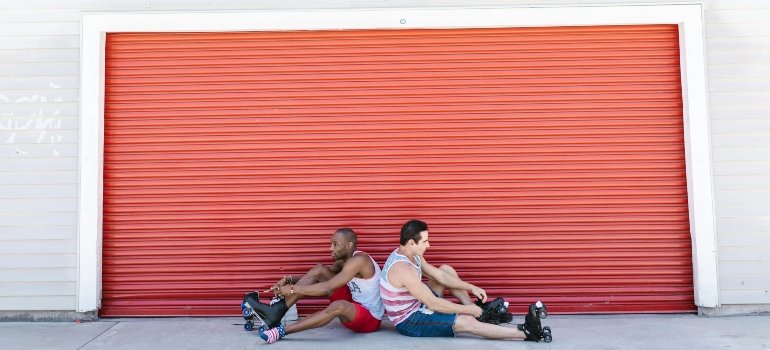
Size selection deserves the same care. Measure furniture and stackable crates at home, then choose the right storage unit that leaves an 18-inch aisle down the center. You will move safely, read labels, and swap seasonal items without unloading half the room. Overcrowded corners invite falls and scratched veneers.
Floor contact triggers trouble when summer storms strike. Lift items on steel shelving or wood pallets, and line pallets with vapor barrier sheets. This small step keeps boxes dry during minor leaks. Shelves also encourage airflow, which slows mildew growth. Follow museum practice and leave at least two inches between bins and walls for circulation.
Insurance coverage
Remember insurance. Many homeowner policies cap off-site coverage at 10 percent of total contents. If you store vintage jewelry worth more, buy supplemental coverage from an independent carrier or the facility’s partner. Confirm the deductible, theft limits, and mold exclusions in writing. Print the rider and keep a copy online and in a fire-safe box at home.
Some operators add technology that multiplies security. Digital locks create single-use codes for movers or appraisers. Motion-activated cameras let you stream the footage on your phone. Large sites even deploy on-site cell boosters, so customers watch live feeds without dropouts inside concrete corridors. These tools let you check boxes at midnight during a storm without leaving your couch.
Scheduled checkups stop small issues early. Plan a 15-minute visit every 30 days. Snap photos of furniture legs, guitar necks, and framed art corners. Compare them to last month’s images. Look for rust, swelling, or insect droppings. Turn the lock twice to prevent seizing, and record humidity readings if the facility shares sensors. Consistent notes build proof in case you need an insurance claim later.
Fans of collectibles often expand their holdings faster than their living space. When you store your valuables in good storage units, log serial numbers, appraisals, and purchase receipts in a cloud folder. This habit trims hours off any future sale or audit. You also track how many pieces sit in storage versus those on display at home, a useful guide when you reassess insurance limits.
Security matters
Thieves watch storage rows, yet smarter tools keep them out. Cities logged a six-percent drop in nonresidential burglaries during 2024, proof that upgraded locks and 24-hour cameras deter crime. Owners respond with motion sensors, coded gates, and live-feed apps that ping your phone each time someone opens a door. Tenants join the fight, add GPS tags to pricey guitars, and snap photos before closing the roll-up. That record speeds up police work if trouble strikes.
Climate ranks next on the risk list. Mold thrives when the air feels sticky. Conservators at the National Park Service advise steady humidity between 45% and 55% and temperatures no higher than 68 °F to block spores and stop wood from warping. Store owners now install smart thermostats that text staff if levels shift one degree. You should still lift furniture on pallets to boost airflow and slide silica packs inside bins that hold fabric or photos.
Rent trends matter, too. A 2024 Las Vegas market review shows average monthly rates near $82, or eighty-two cents per square foot, down three percent from 2023. Lower prices appear in other Sun Belt cities as new buildings open. Yet core coastal markets often stay tight because land costs rise. Shoppers gain leverage when they compare at least three properties and ask for free upgrades such as first-month insurance.
Storing your valuables the right way is manageable
You now hold a clear roadmap for storing your valuables the right way. Screen each facility, embrace climate control, pack with care, insure treasures, and schedule monthly checkups. Simple habits, combined with strong security, guard heirlooms for generations. Choose climate stability, keep items off the floor, and lean on flexible options such as short-term storage. When you apply these steps, your valuables stay safe, ready, and waiting for their next proud display.
Reviews

Pavel Nikolskii
a month ago

This is my first experience renting a mini storage unit. I really liked it. Clean, quiet, calm, warm. There are convenient places to unload the car. Convenient access from the street. There is also a ramp for a cart. There are several spacious elevators. All elevators are clean and work. The storage unit itself has wooden flooring. Not far from the subway station. The polite employee patiently explained to me everything I wanted to know. Answered all my questions. Showed me several different storages. Explained the pricing. I am happy that I finally have a good place to store my things.


