


Subletting your NYC apartment: What to store off-site
NYC apartments feel tight, even in larger buildings. Closets fill fast, so clutter builds quickly. Many tenants choose a storage room NYC to create breathing space. This choice supports better organization before sublets begin. However, leaving extra items inside raises risks. Crowded rooms invite damage, while mixed belongings cause confusion. You deserve a setup that protects your things and keeps daily life calm. Planning ahead helps when you consider subletting your NYC apartment to someone new. For example, store winter coats, spare chairs, and personal files off-site. The rooms look clean and flexible. As a result, strong applicants show more interest. You gain peace of mind, and access stays simple. Most importantly, your valuables stay safe during busy weeks there.
How subletting your NYC apartment works
Subletting in New York City involves specific legal steps. It’s not the same as a lease takeover. In a sublet, the original leaseholder stays on the lease but lets someone else live in the unit. Most landlords allow sublets for up to two years, but approval is often required in writing. This applies even in rent-stabilized buildings. As the primary tenant, you are still responsible for the lease. That includes paying rent on time and handling any damage. Before starting, it’s helpful to move personal items into a NYC apartment storage unit. This clears space and protects your belongings.

Subtenants in NYC expect a clean and usable apartment. They usually bring fewer items, so uncluttered space is a plus. Most prefer furnished units with basic needs covered, like a bed, table, and kitchen items. They may not stay long, especially in short-term sublets that last under six months. Long-term sublets, closer to a year, may involve more negotiation. In either case, landlords will usually want to review the subtenant’s ID, employment, and rental history. Clear communication helps everyone avoid confusion later.
Lease rules and landlord approval, you must confirm early
Many NYC leases contain subletting restrictions that are easy to overlook. Some leases forbid sublets completely, while others require advance notice. Often, tenants must request approval in writing at least 30 days before the sublet begins. In rent-stabilized apartments, tenants may legally sublet, but only with landlord approval. Co-op buildings usually have stricter rules than rental buildings. These may include board interviews or extra fees. To avoid problems, store personal items in a storage rental NYC before any subtenant moves in. It helps present the space cleanly and reduces disputes over belongings.
Skipping approval can lead to eviction or lease termination. For example, if a landlord discovers an unauthorized sublet, they may issue a notice to cure or start legal action. This risk is higher in co-ops, where sublets without approval can break building policy. Landlords often ask for documents such as the sublease agreement, ID, and proof of income from the subtenant. In many cases, they also require the tenant to stay on as the leaseholder. Following proper steps early keeps your lease in good standing.
Large furniture is better stored off-site
Large furniture takes up more space than many people realize. Beds, dressers, and wardrobes limit how a room can be used. Even clean, modern items may not fit a subtenant’s needs. Therefore, consider using furniture storage NYC to remove these bulky pieces before listing the apartment. Once large furniture is gone, your space looks bigger and more flexible. This often leads to faster responses and better subtenant options.
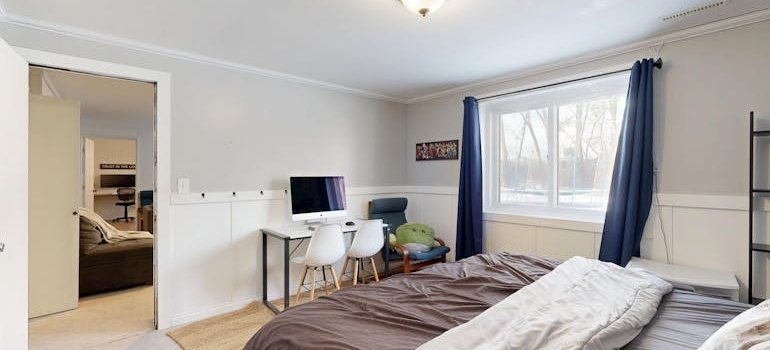
Extra pieces like desks or large dining tables should also be removed. Subtenants often prefer open areas where they can work or relax their own way. Extra chairs and decorative seating might seem useful, but they often block walkways or clutter corners. Subtenants appreciate simplicity, and fewer items create that effect. Clear floors, blank walls, and neutral colors make your listing stand out. In NYC’s competitive rental market, a clean space shows well in photos. More importantly, it makes visitors feel more at home. Storage protects your furniture and supports a better rental experience.
Smart storage planning when subletting your NYC apartment
Storing your items wisely makes subletting your NYC apartment much easier. Before packing, take time to write down what you own. A basic list on your phone or a printed checklist works well. Once you have it, decide which items you use often and which can be moved. To make space and avoid damage, many residents choose short term furniture storage NYC during the sublet period. This helps protect furniture while keeping your apartment tidy.
It’s helpful to pack by room, especially when storing larger items or multiple boxes. For example, group bedroom decor together and kitchen items in another batch. Use labels that are easy to read and attach them to more than one side. This simple habit saves time when you go back to retrieve things. Clear labeling also avoids mix-ups if you’re moving several items from one building to another. Good storage habits give you more control, even during a busy sublet. Organized packing supports better move-ins, better returns, and fewer unwanted surprises. Planning ahead makes each step smoother.
Seasonal items that should leave the apartment
Seasonal items quickly fill closets and storage bins, especially in small NYC apartments. Heavy winter coats, scarves, and snow boots are not useful during summer sublets. These items take up valuable space and create visual clutter. Likewise, air conditioners stored in common areas during winter only add bulk. A better choice is to use storage pickup NYC services. Many providers pick up directly from your door and return items when needed.

Holiday decorations and off-season sports gear also create issues. Subtenants often need more room for daily living, not off-season clutter. It’s also best to store suitcases and travel gear since they are not used often. For example, if you’re subletting in July, items like skis, thick blankets, or gift boxes can be packed and sent to storage. Keeping only current-use items in the apartment helps it feel more open and organized. This improves your sublet’s appeal and prevents damage to stored items. With a little planning, you can rotate seasonal items without stress or extra mess in your space.
Protecting valuables and personal documents
Storing valuable items safely should always be a priority when preparing your apartment for subletting. Items like jewelry, watches, and keepsakes are not only expensive but also often hold sentimental value. You may also need to store important documents such as passports, contracts, and tax records. To protect these, consider using small storage NYC services that offer secure and climate-controlled units. These options keep your most sensitive items away from risk and damage.

External hard drives, photo albums, and backup devices should also go into storage. These items are difficult to replace and can be harmed by moisture or temperature changes. Climate control is especially important for electronics and paper documents. Without it, storage conditions can lead to mold, rust, or warping. It’s better to store these items off-site than risk damage or loss during the sublet period. Clear your space of irreplaceable belongings so the subtenant doesn’t have to worry about them. Most of all, you’ll have peace of mind knowing your valuables are safe and accessible whenever needed.
Choosing the right storage unit in New York City
Finding the right unit helps protect your items and saves you money. Location should be your first filter. Choose a facility close to your apartment or your workplace to avoid long trips. If you’re traveling or relocating, try to pick a place with extended hours. Many options for long term storage NYC allow 24/7 access, which is helpful if you return unexpectedly. Always check for security features like cameras, gated entry, and on-site staff.
Next, think about how much space you actually need. Overestimating can raise your cost for no reason. For example, if you’re storing only boxes, avoid renting a full walk-in unit. Facilities often offer size guides, so use those before booking. Some companies also let you upgrade later if needed. Climate control is useful for electronics, paper items, and wood furniture. Without it, your items may crack, mold, or warp over time. Choosing the right storage plan keeps your costs low and your belongings safe. Take time to compare and ask about hidden fees before making your choice.
Cost planning while subletting your NYC apartment
Storage costs in New York City vary depending on unit size, location, and features. A small 5’x5’ unit without climate control starts around $75 to $110 per month. Mid-size 5’x10’ or 5’x15’ units often cost between $140 and $250. Climate-controlled storage in central areas can cost more. Since subletting your NYC apartment involves leaving personal items behind, compare this cost with potential damage or loss. Replacing furniture or electronics will likely be more expensive than short-term storage.

It helps to factor storage into your sublet price. For instance, if you rent out your apartment for $3,200 per month, setting aside $150 for storage makes budgeting easier. You still earn income while keeping your belongings safe. To cut costs, look for discounts on long-term plans or choose a unit in a less busy area. Many companies also offer free pickup for new customers. Just be sure to check if pickup fees apply after the first trip. Thoughtful cost planning supports a secure sublet and avoids unexpected expenses during your lease period.
Preparing your apartment for the subtenant experience
A clean, organized apartment makes a strong first impression. Subtenants often look for simplicity and comfort. Keeping only essential furniture, such as a bed, table, and chair, helps make the space feel open. Large couches, storage bins, and decorative pieces can take up room and distract visitors. Focus on practical items that make the apartment livable but not crowded. Remove anything that serves no daily purpose or creates clutter.
Next, declutter your closets and cabinets. Leave enough room for the subtenant to store their own things. Clean out shelves, drawers, and any hidden corners. Neutral colors and minimal decor help create a calm environment. A tidy kitchen with just the basics looks much better than one packed with unused gadgets. Simple layouts also make apartment photos stand out. As a result, listings get more attention and attract better applicants. Most subtenants prefer a space that looks easy to maintain. When your apartment feels clean, open, and flexible, it becomes more appealing and easier to rent. This step sets the tone for a smooth sublet.
Insurance coverage and liability considerations
Not all renters’ insurance policies cover subletting situations. In many cases, coverage ends once another person takes possession of the unit. This puts your belongings at risk if you don’t adjust your policy. Before subletting, speak with your insurer. Ask whether temporary tenants are covered and what exclusions apply. If your policy does not extend coverage, consider placing valuable items in off-site storage. This reduces your exposure to loss or damage during the sublet period. For items stored outside the apartment, consider these storage insurance options:
- Add-on insurance through your storage provider
- Homeowners or renters insurance that extends to storage units
- Standalone storage insurance from third-party companies
To stay organized, take photos of all items before putting them in storage. This helps confirm the condition and supports any future claims. In addition, create a basic inventory with item names and estimated value. Use a spreadsheet or simple checklist. Keep a copy for yourself and store one digitally. Documenting these details helps you stay in control, especially if something goes missing or gets damaged.

Confident subletting starts with smart storage choices
Smart storage decisions make a big difference when subletting your NYC apartment. They help protect your valuables, free up space, and simplify the handoff to your subtenant. Whether you store large furniture, personal items, or seasonal gear, planning ahead keeps your apartment clean and easy to show. Good storage also reduces risks and saves you time later. By choosing the right unit, documenting your inventory, and using secure options, you stay in control. Most importantly, you create a better rental experience for both you and your subtenant. This kind of preparation builds trust and helps the sublet go smoothly from day one. Thoughtful storage choices support confident, stress-free subletting in a busy city like New York.
Reviews

Pavel Nikolskii
a month ago

This is my first experience renting a mini storage unit. I really liked it. Clean, quiet, calm, warm. There are convenient places to unload the car. Convenient access from the street. There is also a ramp for a cart. There are several spacious elevators. All elevators are clean and work. The storage unit itself has wooden flooring. Not far from the subway station. The polite employee patiently explained to me everything I wanted to know. Answered all my questions. Showed me several different storages. Explained the pricing. I am happy that I finally have a good place to store my things.


