


Summer Vehicle Storage Tips for Snowbirds
Summer vehicle storage can help protect your car during long seasonal stays away from home. Clean it, fill the tank, check fluids, disconnect the battery, cover the vehicle, and choose secure storage to prevent damage, wear, and costly repairs.
Many snowbirds leave a vehicle behind when they travel north for the summer. However, a parked car can face heat damage, battery drain, flat tires, and pests. If you need vehicle storage NYC, prepare before you leave for several weeks or months. Wash the car, remove food, check fluids, and choose a secure location. A clear summer vehicle storage plan can help prevent costly problems. For example, filling the gas tank, using a battery maintainer, and inflating tires can protect key parts. Also, remove valuables and documents from the car. Then, confirm locks, covers, and access details. As a result, your vehicle stays safer while you are away and is easier to use when you return home for daily driving.
How Summer Vehicle Storage Protects Your Car During Long Absences
Proper storage can reduce wear when your car sits unused for weeks or months. Without preparation, heat, sunlight, dust, moisture, and pests can damage key parts. For example, strong sunlight can fade the dashboard and seats. Hot weather can also weaken the battery faster. If you need car storage NYC, choose a clean, secure space before you leave. Indoor or covered storage is often safer than open outdoor parking because it limits direct sun, rain, debris, and temperature swings.

Good planning can also help you avoid costly repairs later. A dead battery may leave you unable to start the car when you return. Low tire pressure can lead to flat spots or cracked tires. In addition, moisture can create odors or affect interior materials. Therefore, clean the car, remove food, fill the gas tank, and check fluids before storage. Also, consider a battery maintainer and a breathable cover. As a result, your vehicle stays protected and is more likely to be ready for the road again without extra service calls or delays after your seasonal return home each year.
Choose The Right Storage Location Before You Leave
Choosing the right storage location is one of the most important steps before you leave for the season. A private garage may work if it is clean, dry, and secure. Covered parking can protect against sun and rain, but it may still expose the vehicle to heat, dust, and pests. Outdoor lots are often simple, yet they offer less protection. If you also need motorcycle storage NYC, look for a facility with indoor space, cameras, and controlled access.

Professional storage can be a better choice for long absences, especially in hot climates. Shaded or indoor spaces help reduce sun damage, interior fading, and tire stress. In addition, secure facilities may offer easier access if a trusted person needs to inspect or move the car. Ask about gate hours, lighting, insurance rules, and battery maintenance options. Also, book early before seasonal demand increases. As a result, you can choose a safer location and avoid rushed decisions before your trip. This planning also helps protect your vehicle from unnecessary wear, surprise costs, and last-minute storage problems later during your seasonal travel plans.
Clean Your Vehicle Inside And Out Before Storage
A clean vehicle is easier to protect during long seasonal storage. First, wash the exterior to remove dirt, road salt, pollen, and bird droppings. These can damage paint if they sit for weeks in warm weather. Then, dry the car well, especially around mirrors, doors, and trim. If you use on demand storage NYC, clean the vehicle before pickup so it is ready for a secure space. Also, consider waxing the exterior for extra protection against dust and moisture. This simple step can help preserve the finish.
The inside of the car needs the same attention. Remove food wrappers, crumbs, drinks, gym bags, and trash before you leave. Next, vacuum carpets, seats, floor mats, and small storage areas. Check under the seats and inside door pockets as well. In addition, take out personal items, documents, garage remotes, and valuables. Cleaning helps prevent odors, stains, insects, and rodents. As a result, your car will feel fresher and safer when you return. You will also avoid surprise smells, sticky surfaces, pest problems, and extra cleaning costs later after storage ends.
Essential Maintenance Steps Before Long-Term Parking
Before long-term parking, complete basic maintenance so your vehicle is not sitting with small problems. Start by checking the oil, coolant, brake fluid, windshield fluid, and other key fluids. Then, look for leaks, warning lights, or unusual tire wear. If you plan to use long term storage NYC, handle repairs before drop-off, not after you return. For example, replace weak wipers, fix slow tire leaks, and service old batteries before leaving. This step can prevent stress when you come back.
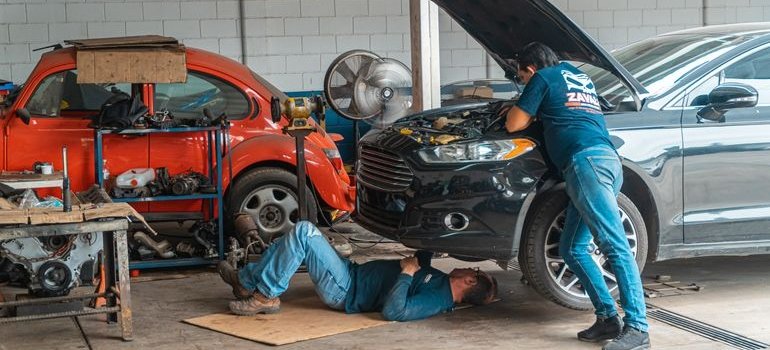
Fuel and tires also need attention before storage. Fill the gas tank to help reduce moisture buildup inside the tank. In addition, consider adding a fuel stabilizer if the vehicle will sit for several months. Check tire pressure and inflate tires to the recommended level on the door sticker or owner’s manual. Also, schedule any needed service before your trip, such as an oil change or brake inspection. As a result, your car will be better protected and easier to restart when you return from your seasonal stay away without delays or unexpected repair needs in warm weather conditions.
Battery Care During Summer Vehicle Storage
A parked vehicle still uses small amounts of power, even when it is not driven. Clocks, alarms, sensors, and other systems can slowly drain the battery. Heat can make the problem worse because high temperatures speed up battery wear. If your car will sit near hot weather for months, climate controlled storage Bronx can help reduce stress on the battery and other parts. For example, it can also protect rubber seals, interior materials, and electronics from extreme heat.
Before you leave, decide how the battery will be maintained. If power is available, use a battery maintainer, not a basic charger. It helps keep the battery at a safe level without overcharging it. However, if a maintainer is not possible, ask a mechanic if disconnecting the battery is appropriate for your vehicle. Some cars may lose settings when disconnected. Also, ask a trusted person to check the car every few weeks. As a result, your summer vehicle storage plan can help prevent a dead battery when you return and avoid delays when you are ready to drive after your seasonal trip.
Protect Tires From Flat Spots And Heat Damage
Tires can develop flat spots when a vehicle sits in one position for too long. This happens because the weight of the car presses on the same area of rubber. Heat can make the problem worse, especially during the summer months. Before using storage in Manhattan, inspect each tire for cracks, age, low tread, or uneven wear. Then, inflate the tires to the pressure listed on the driver’s door sticker or in the owner’s manual. This helps support the vehicle while it is parked.
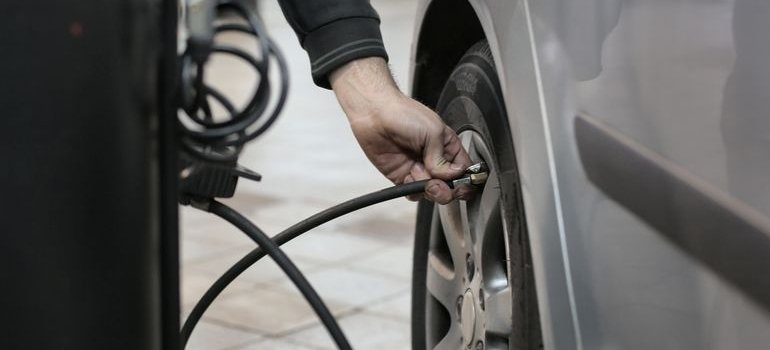
A few extra steps can also protect your tires during summer vehicle storage. If possible, park on a clean, dry, and level surface. Avoid damp ground, oil spots, or rough pavement. In addition, consider tire cradles if the car will sit for several months. They spread the weight more evenly and reduce pressure points. You can also ask a trusted person to move the vehicle slightly from time to time. As a result, your tires are less likely to crack, flatten, or need replacement when you return from your seasonal trip back home safely again.
Keep Pests, Moisture, And Odors Away
Pests, moisture, and odors can cause problems when a vehicle sits for a long time. First, remove all food, wrappers, crumbs, drinks, and scented items from the car. Even a small snack bag can attract insects or rodents. If you are comparing storage near NYC, choose a clean and secure location with dry conditions. Then, close the windows, doors, vents, glove box, and trunk securely. Also, check the weather stripping around doors and the trunk for gaps where pests may enter.
Moisture control is just as important, especially in humid areas. Use moisture absorbers inside the cabin and trunk to help reduce damp air. In addition, avoid leaving towels, jackets, blankets, or other fabric items inside the vehicle. These can trap smells and moisture over time. Keep the interior clear instead of using the car as extra storage. Finally, vacuum the floor mats and seats before leaving. As a result, your car is less likely to develop musty odors, stains, pest damage, or mold while you are away for the summer season and will be ready when you return home safely.
Use A Quality Car Cover For Extra Protection
A quality car cover adds another layer of protection when a vehicle sits for weeks or months. It is especially useful if the car is stored near dust, sunlight, tree debris, or light moisture. During summer vehicle storage, choose a breathable cover that allows air to move through the material. This helps reduce trapped moisture, which can lead to mildew, paint marks, or odors. A good cover can also protect paint, mirrors, windshield glass, and interior surfaces from fading or buildup.

Match the cover to your storage location. Indoor covers are usually lighter and protect against dust and minor scratches. However, outdoor covers need stronger fabric, secure straps, and better weather resistance. Avoid using plastic tarps, since they can trap heat and moisture against the vehicle. They may also rub against the paint in windy conditions. Before covering the car, wash and dry it well. Then, secure the cover properly. As a result, your vehicle stays cleaner, safer, and easier to prepare when you return after a long seasonal absence and need it ready for regular driving again safely soon.
Security Tips For Summer Vehicle Storage
Vehicle security should be part of every storage plan, especially when you are away for several weeks or months. Choose a location with good lighting, surveillance cameras, gated access, or controlled entry. These features can reduce risk and make inspections easier. Before you leave, remove valuables, garage remotes, spare keys, insurance papers, and personal documents. Then, lock the doors, windows, trunk, and glove compartment. Also, check that the alarm system works and that no keys are hidden inside the vehicle.
Extra security steps can give you more peace of mind during summer vehicle storage. For example, use a steering wheel lock if the car will be stored in a shared or outdoor area. You may also consider a tracking device, especially for a high-value vehicle. In addition, ask a trusted person to check the car if you will be gone for several months. They can look for signs of damage, leaks, pests, or low tire pressure. As a result, your vehicle stays safer and easier to manage until you return from seasonal travel and regular daily driving again at home.
Insurance, Registration, And Documentation To Review
Insurance and documents should be reviewed before you leave a vehicle in storage. First, contact your insurance provider and explain how long the car will be parked. Then, ask about storage coverage, reduced-use options, or changes for a vehicle that will not be driven. However, avoid canceling required coverage without understanding the risks. You may still need protection for theft, fire, weather damage, or vandalism.
Before your trip, organize the records you may need later:
- Keep registration, insurance cards, and service records in a safe place.
- Store copies digitally, so you can access them while traveling.
- Take clear photos of the exterior, interior, tires, dashboard, and mileage.
- Save receipts for recent maintenance, such as oil changes or battery service.
- Confirm whether your storage location requires proof of insurance.
- Leave emergency contact details with a trusted person if needed.
As a result, you can handle claims, renewals, or service questions more easily. In addition, good documentation gives you a clear record of the vehicle’s condition before storage and helps avoid confusion when you return after your seasonal trip later on.

Return To A Ready-To-Drive Vehicle After Summer
A ready-to-drive vehicle starts with careful planning before you leave. Clean the car, check fluids, protect the battery, inflate tires, and choose a secure storage location. These simple steps can prevent dead batteries, flat spots, odors, pests, and sun damage. With the right summer vehicle storage plan, your car is more likely to start smoothly when you return. Before driving again, inspect the vehicle carefully. Check tire pressure, fluid levels, lights, brakes, and the battery. Also, look for leaks, pests, or warning lights. If anything seems unusual, schedule service before taking a long trip. As a result, you can return to regular driving with more confidence, fewer delays, and lower repair risks after your seasonal time away from home safely.
Frequently Asked Questions
How do snowbirds handle cars?

Snowbirds usually handle cars by storing them in a secure location, cleaning them, checking fluids, protecting the battery, and arranging insurance or maintenance before leaving.
How long can my car sit without being driven?
A car can usually sit for about two weeks to a month without being driven, but the battery, tires, and fluids may suffer if it sits longer.
What kills car batteries quickly?
Car batteries can die quickly because of extreme heat, parasitic electrical drain, short trips, corrosion, age, or leaving lights and electronics on.
Reviews

Pavel Nikolskii
a month ago

This is my first experience renting a mini storage unit. I really liked it. Clean, quiet, calm, warm. There are convenient places to unload the car. Convenient access from the street. There is also a ramp for a cart. There are several spacious elevators. All elevators are clean and work. The storage unit itself has wooden flooring. Not far from the subway station. The polite employee patiently explained to me everything I wanted to know. Answered all my questions. Showed me several different storages. Explained the pricing. I am happy that I finally have a good place to store my things.


