


Things You Should Know about Self Storage Auction
Self storage auctions happen when rental fees remain unpaid for an extended period. Facilities may sell the contents to recover outstanding balances, following state laws. Buyers usually cannot inspect units beforehand, so understanding the risks and auction rules is essential before bidding.
Before placing a bid, learn how storage auctions actually work. If you already use full service storage NYC, understanding the auction process helps you avoid common mistakes. Things you should know about self storage auction include why facilities sell abandoned units and what buyers can realistically expect. Auctions usually happen after renters fail to pay for an extended period and legal notice requirements have been met. Anyone who meets the auction requirements can usually participate, although rules vary by state and auction platform. However, many people wrongly believe valuable items are guaranteed inside every unit. In reality, buyers often see only the contents visible from the doorway before bidding. Therefore, careful research and a realistic budget are essential. Making informed decisions reduces risk and helps you bid with greater confidence.
Why Storage Facilities Hold Auctions
Storage facilities hold auctions only after following a legal process, not simply because a payment is late. If you rent self storage NYC, understanding these rules can help you avoid unexpected problems. Most states allow facilities to enforce a storage lien when rent remains unpaid for a specific period. Before selling the contents, the owner must send written notices and provide the renter with time to pay the outstanding balance. Many states also require public notice of the upcoming auction. Depending on local laws and the rental agreement, the process often takes between 30 and 90 days before the unit becomes eligible for sale.

Each state has its own self-storage lien laws, so auction procedures are not identical across the country. For example, some states require newspaper advertisements, while others permit online auction listings instead. Furthermore, facilities must follow these legal requirements carefully before transferring ownership of the stored property. Winning bidders purchase the unit’s contents, not the storage unit itself. Therefore, reading the auction terms before placing a bid is essential. Knowing the legal process helps you understand your rights and reduces the risk of costly misunderstandings during the auction.
What You Can and Cannot Inspect Before Bidding
Before bidding on a storage auction, know exactly what you are allowed to inspect. If you use storage rental NYC, you may notice that auction rules differ greatly from renting a regular storage unit. In most auctions, bidders can only view the contents from the open doorway for a few minutes. Facility staff usually prohibit entering the unit or touching any items because the contents still belong to the original renter until the auction is complete. For example, a visible stack of moving boxes may contain valuable collectibles, or it may hold old clothing and newspapers. Likewise, a covered motorcycle could be fully functional or missing important parts, so appearances alone can be misleading.
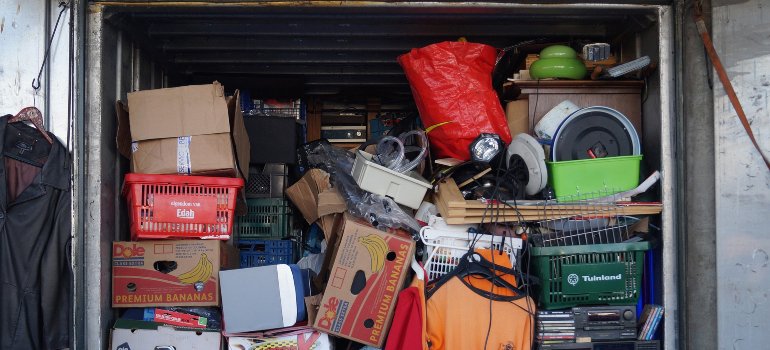
Careful observation helps reduce risk, but it never guarantees a profitable purchase. Look for signs of organization, labeled boxes, quality furniture, or original packaging, as these often indicate well-maintained belongings. However, avoid assuming that every electronic device or appliance works properly because most auctions sell items “as is” without warranties. You should also consider hidden expenses, including disposal fees, transportation costs, and cleaning time. Experienced buyers rely on realistic estimates instead of excitement. This disciplined approach helps you avoid costly mistakes and make more informed bidding decisions.
Things You Should Know About Self Storage Auction Before Placing Your First Bid
Preparing for your first auction takes more than finding a good deal. If you have visited storage facilities Long Island City, you may have noticed that many locations advertise online auctions when units become delinquent. First-time bidders should expect limited access to the unit before bidding begins. In most cases, you can only look through the open door without moving boxes or opening containers. Although television shows often highlight expensive discoveries, most auctioned units contain ordinary household items, furniture, clothing, or business supplies. Therefore, set a spending limit before the auction starts and stick to it. This simple step helps you avoid emotional bidding and unexpected financial losses.

Successful buyers spend time researching auction rules, resale values, and local demand before placing a bid. For example, a unit filled with office furniture may have little value if your local market already has an oversupply. On the other hand, clean tools, quality appliances, or collectible furniture may offer better resale opportunities. You should also budget for transportation, cleaning, disposal fees, and possible repairs. Furthermore, remember that every purchase is typically sold as is, with no guarantees. Careful planning and realistic expectations improve your chances of making a smart investment instead of an expensive mistake.
Hidden Costs Every Auction Buyer Should Consider
Winning a storage auction does not mean your expenses end with the final bid. If you rent small storage NYC, understanding these additional costs can help you make smarter financial decisions. Many auction platforms charge a buyer’s premium of 10% to 15% on top of the winning bid. For example, a unit purchased for $800 could cost $880 to $920 before taxes or administrative fees. Some facilities also require a refundable cleaning deposit of $100 to $300, which you receive only after completely emptying the unit. Therefore, calculate these costs before deciding your maximum bid.
Additional expenses can quickly reduce your potential profit. Renting a moving truck may cost $50 to $150 per day, while landfill or disposal fees often range from $50 to $200, depending on the amount of unwanted furniture or debris. Furthermore, hiring movers can add $200 to $600 if heavy items require professional help. Emptying a large unit may also take an entire weekend instead of a few hours. As a result, experienced buyers include both time and labor in their budget. Planning for these hidden costs helps you avoid surprises and determine whether an auction is truly worth your investment.
What Valuable Items Are Commonly Found in Storage Auctions?
Some storage auctions contain valuable items, but every purchase involves uncertainty. People using short term furniture storage NYC often store quality belongings during renovations, relocations, or temporary housing changes. As a result, auction units may include solid wood dining tables, leather sofas, bedroom sets, or decorative artwork. You might also find power tools from brands like DeWalt or Milwaukee, vintage furniture, musical instruments, or collectible items such as sports cards and old coins. However, these discoveries are not guaranteed. Experienced buyers evaluate visible clues, including original boxes, protective covers, and organized packing, before deciding how much to bid.

Not every item has strong resale value, so careful judgment remains essential. Worn mattresses, damaged particleboard furniture, outdated televisions, and heavily used clothing often sell for very little or require disposal. Likewise, incomplete electronics without chargers or accessories may cost more to recycle than they are worth. Before bidding, estimate how much you could realistically earn after cleaning, testing, and transporting everything. Researching local resale prices on online marketplaces also helps you avoid overpaying. Setting a clear budget and focusing on items with proven demand gives you a better chance of earning a profit while limiting unnecessary expenses.
Avoid Costly Mistakes With Things You Should Know About Self Storage Auction
Many first-time buyers lose money because they overlook basic auction rules. Learning things you should know about self storage auction before bidding helps you avoid expensive mistakes. One common error is raising your bid simply because someone else keeps bidding. For example, a unit that appears to contain antique furniture may actually hold inexpensive reproductions hidden beneath blankets. Another mistake is ignoring the auction terms. Some facilities require payment immediately after the auction, while others expect you to empty the unit within 24 to 72 hours. Missing these deadlines can result in extra fees or even the loss of your purchase.

Experienced buyers focus on facts instead of excitement. Research resale prices before bidding instead of guessing what an item might be worth. For instance, a used refrigerator may sell for only a few hundred dollars after transportation and cleaning costs are deducted. Likewise, collectible items without authentication often have much lower market value than expected. You should also budget for truck rental, labor, disposal fees, and possible repairs. Setting a maximum bid before the auction begins keeps emotions under control. Careful planning and disciplined bidding give you a better chance of making a profitable purchase while avoiding unnecessary financial losses.
What Happens After You Win a Storage Auction?
Winning an auction is only the beginning of your responsibilities. If you need a storage pick up service, arrange it as soon as possible because most facilities require buyers to remove all contents within 24 to 72 hours. Payment is also due immediately in many auctions, often on the same day, using approved payment methods. In New York City, many storage facilities collect a refundable cleaning deposit, typically between $100 and $300. You receive this deposit only after the unit is completely emptied and left in broom-clean condition. Failing to meet the deadline may result in additional fees or the loss of your cleaning deposit.
Handling personal belongings found inside the unit also requires care. Family photographs, birth certificates, passports, military records, and similar personal documents generally have little resale value. Therefore, many auction buyers return these items to the storage facility so staff can attempt to contact the original owner, following company policies and applicable state laws. Before removing everything, separate personal records from items you plan to keep or sell. In addition, check the auction agreement for rules about hazardous materials or prohibited items. Following these requirements protects your purchase and helps you complete the process without unnecessary delays or penalties.
How to Sell Items Purchased at Storage Auctions
Selling auction finds successfully starts with understanding things you should know about self storage auction before listing your items. Different products perform better on different selling platforms. For example, Facebook Marketplace and Craigslist work well for furniture because buyers can arrange local pickup. Meanwhile, eBay is often a better choice for collectibles, vintage toys, sports memorabilia, and rare electronics because it reaches a larger audience. Local resale stores may purchase tools, appliances, or musical instruments, while antique shops often pay more for authentic vintage furniture and decorative pieces. Choosing the right marketplace increases your chances of earning a better return.

Presentation plays an important role in attracting buyers. Clean every item thoroughly and test electronics before creating a listing. Take clear photos from several angles and include close-up images of any flaws to build trust. Furthermore, research recent selling prices instead of using the original retail value. For instance, a dining table that sold new for $1,200 may realistically sell for $400 to $600 if it is in excellent condition. Competitive pricing usually leads to faster sales. Honest descriptions, prompt communication, and flexible pickup options also encourage buyers to complete the purchase quickly.
Things You Should Know About Self Storage Auction Laws and Buyer Responsibilities
Buying a storage unit means accepting both legal rights and legal responsibilities. Ownership of the contents usually transfers to you only after you complete payment and meet all auction requirements. However, state lien laws are not identical, so procedures can differ depending on where the auction takes place. For example, some states require additional notices before an auction, while others allow online sales under specific regulations. You should always review the auction terms before bidding because those rules become part of your purchase agreement. Taking time to understand the legal process helps you avoid disputes and protects your investment.
Keep these responsibilities in mind after purchasing a unit:
- Return personal photographs, passports, birth certificates, and similar records to the storage facility instead of selling or discarding them.
- Contact local law enforcement if you discover firearms, suspected stolen property, or illegal substances.
- Do not assume every item can be sold, since certain products may require permits or have resale restrictions.
- Save your auction receipt because it may help prove lawful ownership if questions arise later.
- Dispose of hazardous materials, chemicals, or paint according to local environmental regulations instead of placing them in regular trash.
Make Smarter Decisions Before Your Next Storage Auction
Understanding things you should know about self storage auction helps you make informed decisions and avoid unnecessary risks. Careful research, realistic budgeting, and knowledge of auction rules can improve your chances of finding worthwhile opportunities. At the same time, remember that renting a storage unit is often a safer and more predictable solution than purchasing one at auction. Whether you need short-term or long-term storage, choosing a secure facility protects your belongings and gives you greater peace of mind. If you are looking for reliable storage services in New York City, NYC Mini Storage is ready to help. Contact us today to find the right storage solution for your needs and enjoy convenient, secure, and professional service.
Frequently asked questions
What is the best storage unit auction site?

StorageTreasures is widely considered one of the best storage unit auction websites because it offers one of the largest selections of online auctions across the United States.
How to sell auction items?
You can sell auction finds through online marketplaces, local resale shops, flea markets, auction houses, or social media after cleaning, pricing, and photographing the items.
Does abandoning a storage unit hurt your credit?
Yes, abandoning a storage unit can hurt your credit if the facility sends your unpaid balance to a collection agency.
How long can you go without paying for storage?
Most storage facilities begin the lien and auction process after 30 to 90 days of missed payments, depending on state law and the rental agreement.
Reviews

Pavel Nikolskii
a month ago

This is my first experience renting a mini storage unit. I really liked it. Clean, quiet, calm, warm. There are convenient places to unload the car. Convenient access from the street. There is also a ramp for a cart. There are several spacious elevators. All elevators are clean and work. The storage unit itself has wooden flooring. Not far from the subway station. The polite employee patiently explained to me everything I wanted to know. Answered all my questions. Showed me several different storages. Explained the pricing. I am happy that I finally have a good place to store my things.


