


Tips for vehicle storage
Do you need effective methods to keep your car in working order during idle use? You are in the right spot. In this guide, we will provide you with some useful tips for managing vehicle storage so that your treasured valuables stay in excellent condition. No matter if you are putting your car away for the winter or need a good storage solution, our car storage tips will help you find the best way for you. Say goodbye to worries about rust, battery drainage, and other common storage woes with the best storage units in NYC and our expert tips.
Choosing the right storage facility
Selecting the right car storage in Bronx for your vehicle is a crucial step in ensuring its safety and well-being during the storage period. The question of a garage, storage unit, or open space is much determined by what you specifically need and what vehicle you are storing. If you are thinking of where to store your car, climate control and security need to be your primary concern while making your decision.
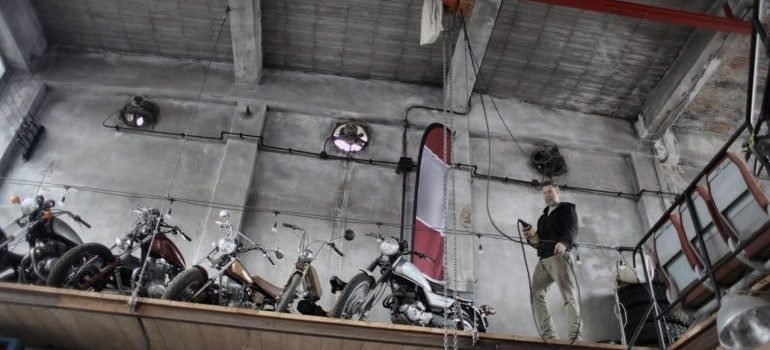
The preservation of climate control is very important, particularly for vehicles that will be stored for a long time. Extreme temperatures can damage your vehicle’s paint, mechanical parts, and interior regardless of whether they are burning hot or freezing cold. Opting for motorcycle storage in NYC with climate control capabilities helps to maintain a stable environment. This implies that the car remains non-damaged and will seem as good as new when it is brought back to life for use. In addition, climate-controlled storage will eliminate such threats as mold and mildew that appear in a humid environment and may harm the interior of your car.
Security is another factor that you cannot afford to negotiate when it comes to the choice of a storage facility. Your car is a valuable property to you and you need to secure it from theft, damage, and unauthorized access. Find facilities like 24 hour storage in Bronx, that provide strong security measures like surveillance cameras, access control systems, and on-site personnel. Lighting close to the storage area is also a significant element as it deters any would-be thieves and makes your car as a whole safer.
Cleaning your vehicle inside-out
Preparing your vehicle for storage units in Wakefield NY is not just about finding the right location and addressing mechanical concerns. It’s also about maintaining its overall condition, both inside and out. In the following sections, we’ll explore the importance of thorough interior and exterior cleaning. These essential steps not only ensure your vehicle remains aesthetically pleasing but also safeguard it from potential damage during its storage period.

Interior clean-up
A good cleaning makes sure the car’s interior will remain in a proper state and also prevents possible problems such as infestations of pests, and growth of mold. Start with the elimination of all the debris, rubbish, or loose items from the interior. You should give particular focus to removing food crumbs and spills as these often attract pests such as insects and rodents.
You should vacuum the carpets and upholstery as a necessary act to clean off the dirt, dust, and any other particles left from other activities which could lead to smells or the wearing off of the interior materials over time. Further, think of using products like desiccant bags or moisture-absorbing crystals in the right places in the automobile to fight moisture and mold. This stage is one of the most important tips for vehicle storage, in particular, if the place of storage has high levels of moisture.
Exterior wash and wax
A complete wash and wax of your vehicle’s exterior is an essential part of keeping its appearance intact and protecting it from the environmental elements before it is stored. The maintenance routine is one of the simplest rules of vehicle storage. This routine acts like a barrier to all the environmental elements that could ruin the finishing and the paint of your car, making sure that it keeps its aesthetic appeal throughout the period of storage.

Come and wash the exterior using a high-quality automotive soap and a soft sponge or a microfiber cloth. This process will take away all dirt, dust, and contaminants that may have settled on the surface. Look carefully at the parts that tend to rust, like wheel wells, as those parts are prey to corrosion over time. Dry our car after washing to avoid water spots. Further, you should use an application of automotive wax to form a protective barrier against UV rays, moisture, and pollutants. Wax provides a glossy finish and serves as a protector, preventing environmental hazards to the paint.
Tips for vehicle storage: pre-storage inspection
To start discussing what you need to check during a pre-storage vehicle inspection, it is important to explore the reasons for this step. Close scrutiny protects your automobile while it is stored and saves you from any unwelcome surprises or costly repairs when you are ready to go.
- Prevent further damage: Any issues that already exist should be solved while in storage, for example, minor repairs, repairing mechanical problems, or so, to avoid getting worse.
- Fluid check: Check every fluid capacity, even the brake fluid, and complete the fluid if low and solve any potential leaks problem.
- Battery inspection: Examine the battery for corrosion and loose connections, clean the terminals, and think about disconnecting it or using a battery maintainer.
- Tire assessment: Inspect the tires for wear, damage, or low pressure, inflating them to the recommended levels, and using tire supports to avoid flat spots.
- Exterior wash and wax: The exterior should be protected with a complete wash and wax to protect it against the effects of environmental factors during storage, especially the rust-prone parts.
- Fuel stabilization: Put a fuel stabilizer in, and leave a full gas tank to avoid moisture and fuel deterioration if the car will be stored for a long time.
- Documentation: Keep vague and clear notes of your pre-storage inspection discoveries, taking photographs and notes too, for future use and possible insurance claims.
- Cover the vehicle: Think about using a high-grade car cover to protect your car from dust and dirt when it is safely parked inside.
Your car will be taken care of during the downtime and the return to the road will be painless and enjoyable if you observe this detailed pre-storage inspection checklist.
Preparing for long-term storage
Before placing your vehicle in the long term storage NYC locals use, begin with a thorough inspection, addressing any existing issues to prevent them from worsening while it’s idle. Observe the pre-storage checklist which includes cleaning of the inside and outside, proper fluid levels, and protection against moisture and pests. You may also consider using a fuel stabilizer and filling the tank full to avoid any fuel system problems. When your transport is ready, choose the right storage area, best of all with climate conditions and a solid security system. Wrap the vehicle to protect it against dust and debris. Visit your vehicle periodically during storage to ensure that you address any problems that may develop in time.

When you are ready to use your vehicle, start by removing the cover and doing another complete check. Check tire pressure and inflate to recommended levels, rectifying any flat spots if necessary. Restore the battery, replace it if needed, and make sure all fluids are at the correct levels. After this, start the engine, let it warm up, and go for a brief test drive to be sure everything is working in the right order. Re-registration, renewal of insurance, and you are back on the road. A well-planned long-term storage with systematic reactivation will give your vehicle high performance and good-looking for years.
Tips for vehicle storage based on vehicle type
When it comes to storing different types of vehicles in New York City, it’s important to recognize that each has unique needs and considerations. Whether you’re storing motorcycles, RVs, boats, or classic cars, tailored strategies can help preserve their condition and functionality during the storage period.
- Motorcycles: Elevate motorcycles off the ground to prevent flat spots on tires. Cover them with a breathable fabric cover to protect against dust while allowing air circulation.
- RVs: Empty all water tanks and lines to prevent freezing and damage. Consider using RV covers designed to fit your specific model for added protection against the elements.
- Boats: Flush the engine with fresh water and drain it completely to prevent freezing. Store the boat on a trailer or use specialized boat storage facilities to avoid hull damage.
- Classic cars: Top off fuel tanks and use a fuel stabilizer to prevent fuel system issues. Lift the car off its tires with jack stands to avoid flat spots, and consider climate-controlled storage to protect the vintage interior and paint.
- ATVs and snowmobiles: Clean and grease moving parts, lubricate cables, and remove the battery if applicable. Store them on a lift or use blocks to keep tires off the ground.
- Jet skis: Drain the water from the engine and exhaust system to prevent freezing and corrosion. Store them in a cool, dry place and cover them with a UV-resistant cover.
Remember to check the manufacturer’s guidelines and recommendations for your specific vehicle type, as they may have additional instructions for proper storage. After the storage period, follow these guidelines in reverse to prepare your vehicle for use, ensuring a smooth and efficient transition back to active use.
Regular check-ins
Frequent inspection of your parked vehicle is a fundamental habit to maintain its health while in storage. Regular check-ups help you to identify and rectify potential problems early enough so that they do not become expensive. The regular visits, in this case, give an opportunity to observe the general state of the car and to keep it in optimal condition. Frequent visits to your storage are especially important if it is located far from your home, like the storage units in Castle Hill NY for example. Additionally, checking on the vehicle allows you to identify and resolve any pest or moisture-related concerns promptly, maintaining its pristine state.

Rodent and pest prevention
To prevent undesirable creatures from occupying your car, adopt some simple but effective measures. Begin with the setting of traps and bait stations all over the area where the rodents are to be trapped. Use natural repellents such as peppermint oil-soaked cotton balls or mothballs amongst others to make the environment unattractive to rodents and pests.
Maintain the storage area clean and free from food particles, which make the place unattractive to pests. Lastly, seal any holes or spaces that may serve as entry points for rodents to keep them out of your car. Rodent and pest prevention are among the crucial tips for vehicle storage. This is exceptionally important if you are considering renting out a NYC apartment storage since your household items are more prone to damage.

Tips for vehicle storage 101
In the world of vehicle storage, information is crucial in keeping your valuable assets in top shape. Follow the tips and strategies highlighted in this guide and you will not only protect your vehicle but also go through an easy process of bringing it back into service. Every step from selecting the right storage facility in New York City to thorough checks, cleanliness, and pest control all add up to the rear wheel of the car’s well-being. Whether it is a classic beloved car, a motorcycle, an RV, or any other vehicle, these vehicle storing tips are developed to simplify the process and improve your calmness. Therefore, set out on your vehicle storage adventure armed with the know-how that will help you keep your investments and make them serve you well for many years to come.
Reviews

Pavel Nikolskii
a month ago

This is my first experience renting a mini storage unit. I really liked it. Clean, quiet, calm, warm. There are convenient places to unload the car. Convenient access from the street. There is also a ramp for a cart. There are several spacious elevators. All elevators are clean and work. The storage unit itself has wooden flooring. Not far from the subway station. The polite employee patiently explained to me everything I wanted to know. Answered all my questions. Showed me several different storages. Explained the pricing. I am happy that I finally have a good place to store my things.


