


What happens if you don’t use climate controlled storage in the Bronx
The weather in the Bronx changes quickly, and that affects how well your belongings hold up in storage. Summers bring high humidity, while winters can be freezing. These conditions can easily damage furniture, electronics, or paper items if not stored properly. Using climate controlled storage Bronx helps protect valuables from heat, cold, and moisture all year round. Not every storage facility offers this protection, which makes choosing the right one important. For example, wooden furniture can warp in summer heat, and photos may stick together when moisture builds up. Knowing what happens if you don’t use climate controlled storage helps you avoid expensive damage. This guide explains what to expect, what to avoid, and how to protect your items in the Bronx.
Understanding how climate controlled storage works
Many people use storage units without realizing how temperature and humidity affect their belongings. Unlike regular spaces, climate controlled storage NYC maintains steady conditions year-round. Most facilities keep temperatures between 55°F and 80°F, which protects items from extreme heat or cold. Humidity levels also stay balanced to prevent mold and rust. This type of storage is ideal for the Bronx, where summers get humid and winters drop below freezing.
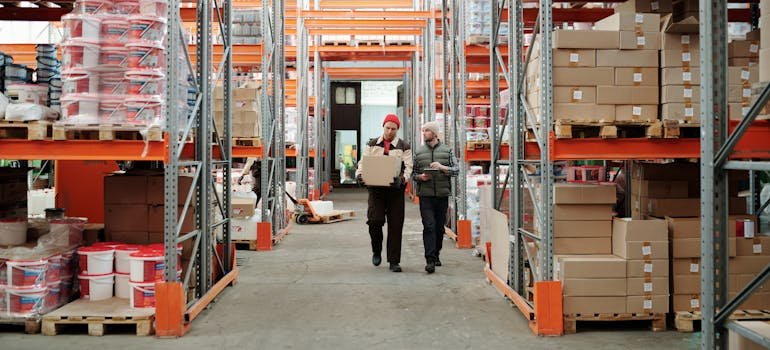
Certain items need this environment more than others. Wooden furniture can crack or warp when temperatures swing, while electronics may stop working if exposed to moisture. Important papers and photographs also fade or curl without protection. Even clothing and leather goods can grow mold if stored in damp air. Because of these risks, it makes sense to choose a unit that keeps everything stable. Controlled storage not only prevents damage but also helps you save money on repairs or replacements later.
Comparing costs: Climate controlled vs. standard storage
Storage prices in the Bronx vary based on the type of unit and its location. Standard spaces usually cost between $100 and $150 per month for small units. However, small storage NYC with climate control often ranges from $170 to $220 monthly. Units in central areas of the Bronx are usually priced higher than those in outer neighborhoods. Although climate-controlled options cost more, they protect your belongings from humidity and temperature changes. Paying a bit extra upfront can prevent serious damage to valuable items later.

Repairing or replacing damaged belongings often costs far more than the difference in rent. For example, restoring a warped wooden dresser or fixing a moisture-damaged TV can easily exceed $300. To find affordable climate-controlled storage, compare several local facilities, look for introductory or long-term discounts, and ask about price-match guarantees. Some locations also offer free use of moving carts or loading areas. Choosing a space with temperature and humidity control ensures your furniture, electronics, and documents stay in good condition for as long as needed.
What happens if you don’t use climate controlled storage in humid environments
Humidity is one of the biggest threats to items kept in storage, especially during New York summers. Without protection, moisture can easily damage wood, leather, and paper materials. In areas like storage Longwood NY, humidity levels rise quickly inside non-climate-controlled units. Wooden furniture may swell or crack, while leather loses its color and soft texture. Books, photos, and important documents can stick together or develop dark stains. These problems often go unnoticed until it’s too late, leaving items permanently damaged. Knowing what happens if you don’t use climate controlled storage helps you understand why paying extra for protection is worth it.
Moisture also encourages mold and mildew growth, especially in closed, dark spaces. Metal items such as tools or appliances may rust and stop working properly. Even electronics are at risk since condensation can short-circuit their components. Once corrosion starts, repairs are rarely possible. To avoid these issues, choose a unit with steady temperature and humidity control. It keeps the air dry and safe, protecting your belongings from long-term harm caused by Bronx humidity.
Seasonal temperature swings in the Bronx
The weather in the Bronx changes dramatically throughout the year, which can affect how well your belongings hold up in storage. Average temperatures range from around 30°F in winter to over 85°F in summer. These wide swings make car storage Bronx and other types of storage sensitive to temperature changes. Extreme heat can dry out leather seats, warp dashboards, and damage tires. In contrast, freezing temperatures cause metal parts to contract, leading to cracks or alignment issues. Furniture, musical instruments, and paintings are also at risk when exposed to frequent temperature changes.
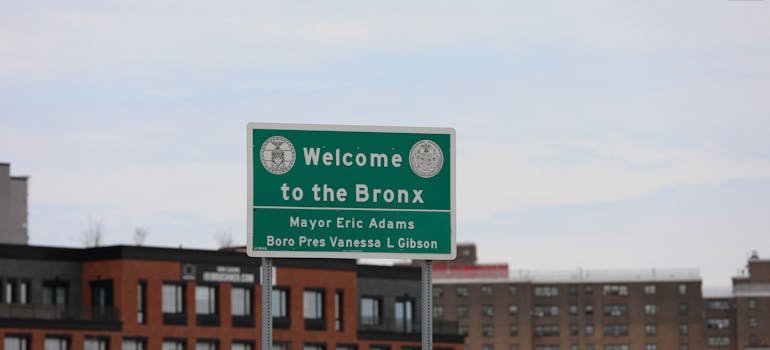
When air inside a unit isn’t regulated, materials expand and contract with every seasonal shift. This ongoing cycle weakens glue, finishes, and delicate surfaces over time. For instance, a wooden table might develop visible cracks, and a canvas painting could stretch unevenly. Even electronics can suffer from condensation forming on their internal parts. Using a climate-controlled unit prevents this constant stress on your belongings. Maintaining a stable environment throughout the year protects everything from costly damage caused by Bronx’s changing temperatures.
How Bronx weather makes non-climate storage risky
Weather conditions in the Bronx can create serious risks for stored items, especially during the summer. Humidity often climbs above 70%, which can quickly damage wood, leather, and metal. Many older storage buildings lack modern ventilation and insulation, allowing damp air to settle inside. Basement units are even more vulnerable, as moisture collects easily in lower spaces. For those using furniture storage Bronx NY that is not climate controlled, this can lead to mold, odor, and visible surface damage. Data from local providers show that humidity-related issues increase during July and August when temperatures reach their peak. Understanding what happens if you don’t use climate controlled storage helps you see why proper protection matters.
High humidity and heat create perfect conditions for mildew, rust, and decay. Bronx residents often store valuable items such as antiques, instruments, and family heirlooms, which need a dry and steady environment. Without climate regulation, fabrics can discolor, and electronics may corrode from condensation. Regulated storage keeps air moisture at safe levels year-round, protecting your belongings from weather extremes. In an area with unpredictable conditions, climate-controlled storage isn’t a luxury—it’s a necessity for long-term preservation.
Mold, mildew, and odor problems in standard units
Damp air inside storage units can cause unpleasant odors and visible mold in just a few weeks. Moisture trapped in dark spaces allows bacteria and fungi to grow quickly, especially during warm months. Fabric-covered furniture, cardboard boxes, and paper items are most at risk. For example, a sofa kept in a damp corner can develop a musty smell that’s hard to remove. Similarly, books and photographs may stick together and show dark mold spots. Choosing long term storage NYC with good air circulation and humidity control can prevent these issues. Poor ventilation in standard units makes the problem worse, as moisture has no way to escape.

If you notice early signs of mold or mildew, act fast. Wiping surfaces with a mild vinegar or alcohol solution helps stop further spread. Using dehumidifiers and moisture-absorbing packets can also reduce dampness. Always store belongings off the floor and avoid sealing them in plastic without ventilation. Cleaning and regular checks keep your stored items safe, especially when the unit lacks climate control. Prevention always costs less than replacing damaged possessions.
What happens if you don’t use climate controlled storage for electronics
Electronics are highly sensitive to temperature and humidity changes, making them vulnerable when stored in regular units. Devices like laptops, TVs, and cameras contain delicate wiring and screens that react to moisture. When humidity rises, condensation can form inside components, leading to short circuits or corrosion. Batteries also degrade faster in extreme temperatures, reducing their lifespan. In many NYC apartment storage spaces without climate control, these conditions are common, especially during summer. Knowing what happens if you don’t use climate controlled storage helps you understand the long-term risks. Once internal parts rust or screens warp, repairs become costly or impossible.
Proper packing can protect electronics during storage. Always remove batteries before storing devices to prevent leaks. Wrap each item in anti-static or bubble wrap and use original boxes if available. Store boxes on shelves instead of the floor to avoid contact with moisture. It’s also wise to label cables and accessories for easier setup later. Choosing a temperature-controlled unit prevents condensation and protects your equipment year-round. This extra care ensures your electronics work perfectly when you retrieve them.
The impact on furniture, artwork, and collectibles
Items made of wood, leather, or canvas react quickly to changes in temperature and humidity. These materials absorb moisture from the air and then dry out when conditions shift, causing visible damage over time. For example, an antique chair can warp or crack when exposed to extreme heat or cold. Leather couches often lose their smooth texture, while canvas paintings may stretch or fade. Understanding what happens if you don’t use climate controlled storage helps you avoid these problems. In New York, where seasonal changes are significant, unregulated units can harm valuable furniture and artwork within months. Once the damage appears, restoration can be costly and sometimes impossible.

To prevent deterioration, always prepare your items before storage. Wrapping furniture in breathable covers protects surfaces while allowing air circulation. Avoid using plastic sheets that trap moisture. For framed photos or paintings, add acid-free paper or bubble wrap for cushioning. Raising items slightly off the ground also prevents contact with cold or damp floors. Climate-controlled storage keeps temperature and humidity stable, protecting delicate materials from long-term damage and preserving their original condition.
What happens if you don’t use climate controlled storage for documents and photos
Paper and photos are among the most fragile items to keep in storage. When exposed to heat or humidity, paper becomes brittle and ink starts to fade. Photos, on the other hand, can stick together or discolor when moisture builds up. These problems happen slowly but cause lasting damage. In older buildings with poor ventilation, even a few months of exposure can ruin family albums or important documents. Knowing what happens if you don’t use climate controlled storage helps you take steps to protect valuable memories and records. Once ink bleeds or paper curls, restoration is often difficult and expensive.
To keep documents safe, always store them in acid-free boxes or folders. For photos, use archival-quality sleeves that block moisture and light. It is also smart to avoid plastic covers that trap humidity. Placing items in labeled, sealed containers makes them easier to organize and retrieve later. Storing boxes on shelves instead of the floor protects them from water leaks. Stable temperature and humidity prevent fading, mold, and decay, keeping your records and photographs intact for years.
Choosing the right storage facility in the Bronx
Selecting the right storage facility in the Bronx is important if you want to keep your belongings safe and in good condition. A well-maintained unit reduces the risk of damage caused by moisture, pests, or dust. When visiting facilities, pay attention to insulation and ventilation. Proper insulation keeps the temperature stable, while good air circulation prevents mold and unpleasant odors. Cleanliness is also key since cluttered or dirty spaces often attract insects and rodents. Before signing a lease, ask a few essential questions to understand what you’re getting.
Questions to ask before renting:
- What temperature and humidity levels are maintained year-round?
- How often are units cleaned or inspected?
- Is pest control performed regularly?
- What security systems are in place, such as cameras or gated access?
- Are insurance options available for stored items?
- Can you access your unit after business hours?
Checking online reviews can also reveal how the facility handles maintenance and customer service. Finally, visit the property in person to ensure it meets your standards before committing to a long-term rental.

Protecting your valuables in the Bronx’s changing climate
Weather in the Bronx changes quickly, and those shifts can harm items kept in regular storage. Heat, cold, and humidity wear down furniture, electronics, and documents over time. Knowing what happens if you don’t use climate controlled storage helps you make better decisions before damage occurs. Climate-controlled units keep temperature and moisture levels steady, which prevents mold, rust, and cracking. This stability is especially useful for valuable or sentimental items that can’t be easily replaced. Taking time to choose a clean, well-maintained facility is worth the effort. In a city with unpredictable weather, proper storage is more than convenience—it’s protection for your belongings. With care and planning, you can keep everything in great condition all year round.
Reviews

Pavel Nikolskii
a month ago

This is my first experience renting a mini storage unit. I really liked it. Clean, quiet, calm, warm. There are convenient places to unload the car. Convenient access from the street. There is also a ramp for a cart. There are several spacious elevators. All elevators are clean and work. The storage unit itself has wooden flooring. Not far from the subway station. The polite employee patiently explained to me everything I wanted to know. Answered all my questions. Showed me several different storages. Explained the pricing. I am happy that I finally have a good place to store my things.


