


Where to store your baby gear between kids
It can be difficult to decide where to store your baby gear between kids, particularly if you want to keep some of it for later. For example, climate controlled storage NYC offers is a fantastic option. Keeping your infant equipment in a regulated atmosphere between children helps keep it in good condition and guards against harm from temperature or humidity fluctuations. You can make sure your equipment remains secure and prepared for the next baby by carefully organizing it. Let’s go over details on how to do it properly.
Evaluate your storage needs
Before you store your baby gear between kids, make sure to analyze what you have. Having an idea of what to store inside storage Brooklyn NY residents trust will make the process so much easier for you. Here’s how to make a great evaluation in this situation.

Make an inventory first
List every baby item, starting with larger pieces such as cribs, strollers, and car seats. Add smaller items like clothes, toys, and bottles. Group similar things together, such as newborn outfits or feeding accessories. Write these categories down to track what you have. For example, note if you own multiple high chairs or duplicates of toys. Check each item for damage or missing parts. Discard unsafe or broken items and set aside those in good condition that you’ll consider for keeping inside storage units Staten Island has to offer. This detailed list ensures nothing is overlooked and helps you prepare for efficient storage solutions.
Check the condition of your gear
Check the condition of your gear to ensure it’s safe to store. Inspect each item carefully for wear and tear. For example, look for cracks in plastic parts of high chairs or loose screws in cribs. Examine clothes for stains or fabric damage. Pay attention to expiration dates on items like car seats and baby bottles, as these lose effectiveness over time. Replace anything broken, unsafe, or expired. Keep only items in good working condition, such as a stroller with functioning brakes or a swing with intact straps. This step protects your future child and avoids unnecessary clutter in storage.
Categorize the gear
Group items by size, type, and storage requirements. For example, place small items such as pacifiers, bottles, and toys in labeled containers. Sort clothes by size and season, storing them in airtight bins to prevent dust or moisture damage. Disassemble large items like cribs or high chairs to save space. Keep hardware or screws in labeled bags and attach them to the corresponding item. Separate fragile items, such as baby monitors or glass bottles, and pack them with cushioning. This organization ensures quick access to the items in the affordable storage Bronx citizens rely on and protects your baby gear for future use.
Decide what to keep
Inspect gear for safety and practicality. For example, store durable items like high chairs or strollers that your next child will use. Donate outgrown clothes, duplicates, or toys your family no longer needs. Consider gifting baby gear to friends or relatives expecting a child. Recycle items that are damaged or unsafe, such as expired car seats. Focus on keeping essentials like cribs, playpens, and feeding supplies in good condition. This step helps you save storage space while ensuring the items you keep remain useful and relevant.
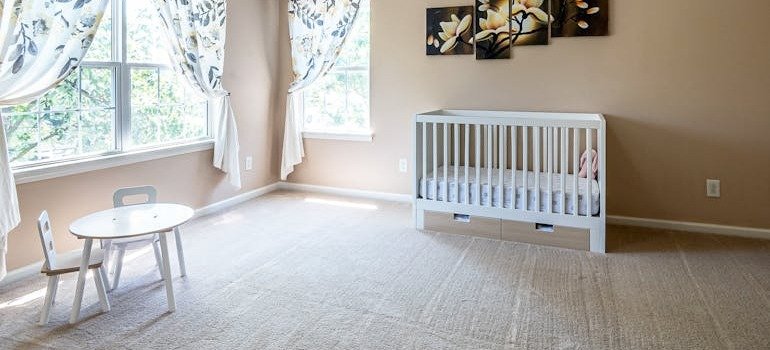
Preparing baby gear for storage
You can’t just put items inside storage rental NYC has to offer without getting them ready. Certain delicate items will require preparation before you can store them away for some time. And what’s more delicate than your baby gear? Let’s go over how to ensure everything is ready for storage.
Before you store your baby gear between kids, do the cleaning
Wash blankets, clothes, and other fabric items in hot water to remove stains and odors. Allow them to completely dry to prevent mold. Plastic and metal high chairs and toys should be cleaned with warm, soapy water before being sterilized with an infant-safe disinfectant. Prior to washing the upholstery, vacuum crumbs, and debris from car seats and strollers. Use sterilizing treatments on bottles, pacifiers, and feeding equipment to eliminate bacteria. Before packing, make sure everything is dry to avoid mildew. Proper cleaning keeps your equipment in good working order and guarantees it is safe inside small storage units NYC has to offer going forward.
Use appropriate packing materials
When storing infant equipment, make sure to use the right packing materials. To avoid moisture accumulation, store soft things and clothing in breathable garment bags. To keep toys, bottles, and small accessories dust-free and safe, use plastic bins with tight-fitting lids. Steer clear of cardboard boxes because they might attract pests and deteriorate over time. For added protection, wrap delicate objects in bubble wrap, such as feeding equipment or monitors. To protect larger things from filth, cover them with furniture coverings or fitted sheets, such as strollers or cribs. Using the right packaging materials preserves your equipment’s condition for later usage. Here are some things to consider:
- Opt for vacuum-sealed bags
- Incorporate silica gel packs or desiccants
- Use dividers in bins
- Choose stackable bins
- Add cushioning layers
Disassemble larger items
Take apart cribs, strollers, and high chairs, ensuring each piece is clean and dry. Keep screws, bolts, and small parts in labeled plastic bags to avoid misplacement. Use padding or bubble wrap for sharp edges or delicate components to prevent damage. Store disassembled parts upright or flat to minimize pressure on structural joints. By reducing strain on screws and joints, you extend the lifespan of your baby gear. Proper disassembly and storage keep these items in excellent condition for future use while optimizing your available storage space.

Label everything you can
Label everything to make storage and retrieval easier. Use waterproof markers or printed labels to mark storage bins with details like contents, sizes, and ages. For example, label a bin “0–6 months: onesies, swaddles, bibs” or “High chair parts and screws.” If possible, include assembly instructions for larger items inside the bins. Group similar items together and use color-coded labels to differentiate categories, such as clothing, gear, or toys. Proper labeling ensures you can quickly find what you need when your next child arrives, saving time and reducing stress. The clear organization now prevents confusion later.
Choose the right space to store your baby gear between kids
Picking the right storage near NYC for your baby’s gear can be something that will make or break the process. Without proper storage, there are plenty of problems that can develop from bad storage. Here’s how to avoid difficulties and find the right storage option for you.
Storage options in your home
There are numerous places in your house to store baby supplies. Toys and clothing should be kept in closets, and shelves should be set aside for bins with labels for easy access. Larger things like strollers or cribs can be stored in basements or attics, but make sure these areas are pest-free, dry, and clean. Steer clear of regions with excessive humidity or extremely high temperatures since these can harm your equipment. Every few months, check stored objects for bugs or indications of dampness. For instance, check bins for mold or chew marks and take quick care of any problems. Your baby gear is kept safe and prepared for use in the future with routine monitoring.
Self-storage options
For families with limited room, secure self storage NYC residents endorse is a fantastic choice. They offer a safe location to keep infant supplies in between children, particularly if your house is small. To shield delicate materials from humidity and temperature changes, such as textiles, plastics, and wooden furniture, use a unit with climate control. These places aid in the prevention of degradation, mold, and mildew. Furthermore, self-storage facilities frequently provide round-the-clock security, guaranteeing the safety and integrity of your belongings. When selecting a storage unit, consider how convenient it will be to get your baby’s stuff later on.

Share space with your family members
Some families decide to ask relatives or friends who have more room for baby necessities. This can be a great option if you want to lower your storage costs. If you choose this path, make sure that everything is properly labeled and arranged for ease of finding. Discuss the storage arrangement with your family members to ensure that there is enough space and that everyone is aware of when you may expect your equipment back. This approach strengthens family bonds while simultaneously enhancing space through resource sharing.
Avoid damp and dusty areas
Baby equipment should not be kept in dusty or wet environments. Variations in temperature and humidity can harm objects, particularly fragile plastics and textiles. Common storage choices include garages and outdoor sheds, but unless they are insulated and pest-proof, they might not provide the protection you require. To keep your equipment in good condition, pick a dry, clean area of your house, like a closet or a spare room. Choose climate-controlled storage units that offer protection from moisture and high temperatures if you must store outside. Proper storage keeps equipment safe and facilitates its retrieval when needed.
Tips for long-term preservation
With everything ready, you might think you’re ready to store your baby gear between kids. However, some additional tips won’t hurt in this situation especially considering how important this can be for you as a parent. Here are some tips you can take advantage of, including:
- Revisiting your storage
- Refreshing linens and fabrics
- Monitoring expiration dates
- Updating storage systems
Revisit your storage periodically
Every few months, check your baby gear storage to make sure everything is still in good shape. Regularly inspecting stored goods helps identify possible problems, such as moisture or bugs, before they do significant harm. Make sure the area is dry and clean, and look for any indications of moisture in the storage space. To make sure mold or mildew is not growing, periodically check any boxes or bins you are utilizing. It will be much simpler to use or retrieve your baby gear in the future if you regularly check stored goods to make sure everything is still appropriately labeled and accessible.
Refresh linens and fabrics
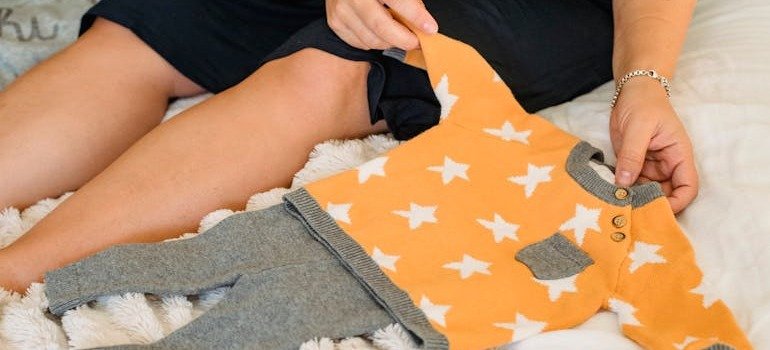
Before storing your baby gear, wash the fabrics and linens to give them a new look. Clothes, blankets, and crib linens can retain moisture or dust even when stored. The fabrics will stay fresh, clean, and usable as needed if they are washed quickly. To keep things from growing mold or musty odors, think about occasionally letting them air out. Before putting fabric goods in storage containers, make sure they are completely dry if you plan to keep them for an extended amount of time. By taking this easy action, the textiles’ quality is preserved, making them comfortable and hygienic for the next youngster.
Monitor expiration dates
Keep an eye on the expiration dates of things such as child bottles, car seats, and some plastics. Because of material deterioration or safety regulations, many items may have limited lifespans. To make sure the products are safe for use in the future, find out the precise expiration dates and remember to keep track of them. For instance, because the materials deteriorate with time, vehicle seats usually expire after six years. You can avoid utilizing products that might no longer satisfy safety regulations by keeping track of expiration dates. Verifying these dates on a regular basis helps keep your baby’s gear in good condition and guarantees your child’s safety when it is time to use it again.
Update storage systems as needed
To keep your storage system flexible and well-organized, update it as necessary. You might need to add new items or modify your storage strategies as your baby gear collection expands or changes. To facilitate access, keep BBB-approved storage options adaptable, such as labeled containers or movable shelving. Make sure everything is set up to make effective use of available space if you relocate items or add new baby equipment. Reviewing your system regularly keeps things organized and guarantees that future requirements are satisfied, avoiding clutter and saving your baby gear for later use.
Store without any worries
Keeping your baby’s equipment in good shape for later use involves careful planning and upkeep when storing it between children. Keeping everything organized and prepared for use when needed is the aim, regardless of whether you decide on a climate-controlled area or a specific section of your house. You may maintain the equipment’s quality and ultimately save money by examining it frequently and adhering to storage recommendations. You can store your baby gear between kids in excellent condition by taking the time to store it correctly.
Reviews

Pavel Nikolskii
a month ago

This is my first experience renting a mini storage unit. I really liked it. Clean, quiet, calm, warm. There are convenient places to unload the car. Convenient access from the street. There is also a ramp for a cart. There are several spacious elevators. All elevators are clean and work. The storage unit itself has wooden flooring. Not far from the subway station. The polite employee patiently explained to me everything I wanted to know. Answered all my questions. Showed me several different storages. Explained the pricing. I am happy that I finally have a good place to store my things.


