


Why local moves still need a solid packing strategy
Local moves can cause just as much stress as long-distance ones if you skip the packing plan. Distance doesn’t protect your things—preparation does. Local moves still need a solid packing strategy to avoid damage, delays, or confusion. Tossing items into random boxes often leads to mess and regret. You still have to lift, load, unload, and maybe store everything. If you’re using secure storage NYC residents rely on, careful packing becomes even more important. Boxes need to hold up over time, not just for the ride. Organizing each room, labeling properly, and packing with purpose saves you time later. It also protects what matters. Don’t treat a local move as casual, treat it as a chance to move smart.
The hidden risks of poor packing
Many people assume a short-distance move means less planning. That mindset leads to rushed packing, which often causes unnecessary damage and delays. Local moves still need a solid packing strategy because poor preparation can quickly ruin the experience. Even one broken box or lost item creates stress and adds to your workload. A single day of disorganized packing can turn into weeks of cleanup. To avoid that, it helps to pack with care and store what you don’t need. Short term storage NYC residents often rent is ideal for off-season items, duplicate furniture, or anything you can delay unpacking. Here’s what can go wrong without a clear plan:
- Crushed boxes: Overpacking weakens boxes, which collapse under pressure and damage items inside.
- Broken glass or electronics: Fragile items need proper padding; tossing them in randomly leads to chips and cracks.
- Unlabeled boxes: Without clear labels, movers waste time guessing what goes where thus slowing down your unpacking.
- Lost essentials: Daily-use items packed carelessly can disappear in clutter, forcing you to buy replacements.
- Overflow and chaos: Bringing too much into your new space creates a mess—temporary storage solves this quickly.
Pack with intention, protect your things, and use storage smartly to make the move easier from start to finish.
Use proper techniques
Using proper packing techniques helps protect your things during loading and transport. Wrap fragile items in soft materials and use sturdy boxes with fitted lids. Place heavy items at the bottom and lighter ones on top to avoid shifting. Fill gaps to prevent movement, and tape each box well to keep it closed. Stack boxes evenly in the truck to create balance and avoid tipping. Local moves still need a solid packing strategy, especially when time is tight. If space is limited or your move happens in stages, use cheap self storage Bronx residents recommend. Self-storage in the Bronx can lower stress and cut down clutter. You don’t need to move everything at once—store the extras and unpack on your schedule.
How a smart packing plan saves you hours on a moving day
Rushing on a moving day slows everything down. Boxes without labels, scattered items, and last-minute packing cost you hours. A smart system speeds up every part of the move. Local moves still need a solid packing strategy because time matters, especially if you’re on a tight schedule or paying movers by the hour. Label each box with room names and contents. Keep similar items together, and pack in stages to avoid stress. Place essentials in one area for easy access once you arrive. If your space feels crowded, rent storage in NYC for the overflow. Temporary storage helps you focus on the move, not the clutter. With fewer distractions, movers work faster and more efficiently. You’ll also unpack quicker because everything will be exactly where it should be. Good packing doesn’t just protect your things, it helps you save money, stay focused, and finish the move with less frustration.

A packing plan saves you a lot of money and time!
A clear packing plan keeps your move simple and under control. You save time, protect your things, and avoid chaos. To get started, sort out what you use daily and what can wait. Place off-season clothes, old books, or extra kitchen gear in secure self storage NYC residents consistently choose. Keeping those items out of the way helps you focus on essentials. A well-organized plan breaks the work into steps and helps everyone stay on task. Here’s what a packing plan should include:
- Start early: Begin packing the least-used rooms two to three weeks before moving day.
- Declutter first: Donate, toss, or sell things before your move in NYC. This way you will avoid packing extra boxes.
- Label boxes clearly: Use bold writing and add room names so boxes go to the right spot.
- Pack by priority: Set aside a “first box” with items you’ll need right after the move.
- Use storage wisely: Store non-essentials in secure self-storage NYC offers to free up space.
- Pack smart: Place heavy items at the bottom, wrap breakables, and fill every gap.
A plan removes the guesswork, limits damage, and speeds up the whole process from start to finish.
Room-by-room strategy will help you move everything safer and quicker
Packing each room with care saves time and prevents damage. Start with the kitchen, wrap fragile glassware in paper, and pad boxes with towels. Pack plates vertically and tape all sides of the box for extra support. In bedrooms, roll clothes to save space and keep similar items together. Use suitcases for heavier fabrics and label drawers if left in dressers. For living areas, disconnect electronics and pack cords in labeled bags. Wrap TVs and screens in blankets or original boxes if available. Fragile decorations should go in double-layered boxes with padding between each piece.

Local moves still need a solid packing strategy because even short trips can cause damage without proper prep. Grouping items by room keeps everything organized. It also speeds up unpacking. Stick to one room at a time and finish it before starting the next. With structure and planning, you protect your time and your belongings.
The most important packing materials you can’t skip
Packing without the right materials leads to damage, delays, and confusion. That’s why preparation matters especially for short-distance moves. Local moves still need a solid packing strategy, and that begins with using the correct supplies. Every item must be protected, boxed properly, and labeled so nothing gets lost or broken during the move. A rushed or messy setup wastes time later and adds stress you don’t need. To stay organized and avoid unnecessary setbacks, gather these essentials before you start:
- Strong cardboard boxes in different sizes for various household items
- Packing tape to seal boxes and reinforce corners so they don’t split open
- Permanent markers for clear labeling that won’t fade or smudge
- Bubble wrap for protecting fragile dishes, glass, and electronics
- Stretch wrap for securing drawers, cables, and furniture parts
- Packing paper or towels to cushion items without adding weight
- Ziploc bags for screws, cords, and other small pieces you can’t afford to lose
- Scissors or a box cutter for cutting tape and trimming wrap quickly
Use these tools for every room. A solid packing plan and the right materials make the process faster, easier, and less stressful.
Go eco-friendly!
Choosing sustainable packing materials can reduce waste and help protect the environment during your move. Instead of buying new supplies, reuse boxes from previous moves or ask local stores for extras. Wrap items in towels, clothing, or newspaper instead of plastic. Use cardboard dividers and biodegradable tape whenever possible. You can also rent environmentally friendly storage containers to avoid single-use packing. These containers are durable, and reusable, and reduce the need for wasteful wrapping. After your move, don’t toss leftover supplies.

Store them neatly for the next time, or offer them to a neighbor or local community group. Simple choices can make a real impact. Your move doesn’t have to add to the landfill. With small changes, you can protect your belongings and the planet. Being mindful now leads to better habits later—and helps others do the same. A cleaner move starts with the materials you choose and how you use them.
Labeling like a pro makes unpacking easier
Clear labeling makes unpacking faster and keeps your move under control. Local moves still need a solid packing strategy, and labeling plays a big part. Every box should say exactly what’s inside, label fragile items as fragile, books as books, and kitchen tools as the kitchen. Write on the top and at least one side. Use bold markers so it’s easy to read at a glance. Group boxes by room and color code if needed. This keeps movers and helpers from guessing or opening boxes to check.

If you’re using storage units Castle Hill NY has to offer, labeling helps you find what you need without digging through every box. You won’t waste time opening the wrong ones. It also helps you unpack in order of priority. Mark what’s urgent and what can wait. With smart labeling, you stay organized, avoid damage, and reduce stress from start to finish. A simple system saves hours later.
Packing for movers vs. DIY
Choosing between self-packing and hiring professionals depends on your budget, time, and comfort level. Doing it yourself gives you control and can save money. However, it takes more time and energy, and without experience, mistakes are common. Professional packers work quickly and know how to protect delicate items, but the cost is higher. Either way, local moves still need a solid packing strategy. You need a plan that keeps your things safe and your timeline on track. If you’re overwhelmed with boxes, the small storage NYC locals trust can give you space to sort things out.
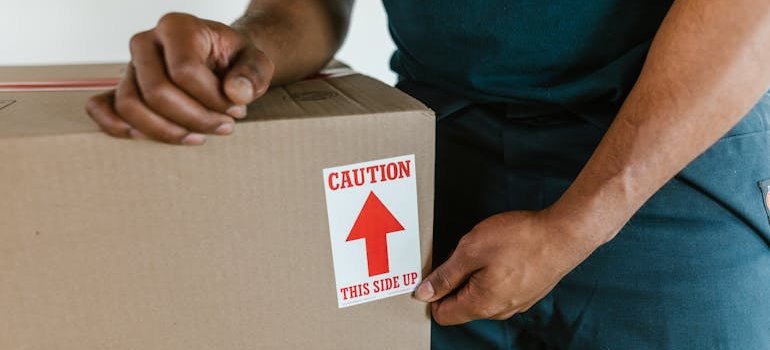
It’s useful for holding items you don’t need right away. That extra space can also speed up the process and reduce clutter in your home. Whether you pack on your own or get help, storage gives you flexibility. Use it to ease pressure and stay organized through every step of your move.
Common packing mistakes and how to avoid them
Packing mistakes cost time, money, and peace of mind. People often rush through the process and forget key steps. Local moves still need a solid packing strategy to avoid unnecessary problems. Planning ahead and packing smart saves you hours later. Decluttering before you pack helps even more. Give unused items to those in need instead of packing things you won’t use. It clears space and helps others. Here are common mistakes and how to fix them:
- Overpacking boxes: Keep boxes under 50 pounds. Heavy boxes break or injure movers during lifting.
- Skipping labels: Always write the room name and a short list of contents on each box.
- Poor padding: Wrap fragile items tightly and use towels, paper, or soft clothing to fill the empty space.
- Packing everything: Sort items before packing. If you haven’t used it in a year, consider donating it.
- Last-minute packing: Give yourself enough time to pack in sections. Rushed packing leads to mistakes.
- Mixing items: Keep kitchen tools with kitchen tools. Never mix rooms in the same box.
Avoid these issues with a steady plan, the right supplies, and enough time to do it right.
Final advice from moving experts
Professional movers agree that keeping things simple makes your move faster, safer, and less stressful. Start early and pack room by room. Use strong boxes and don’t overfill them. Label each side of the box so it’s easy to spot, even when stacked. Movers often say, “Don’t leave it loose.” Wrap cords, seal liquids, and close every container. Keep screws and hardware in small bags and tape them to the matching item. Protect your mattress and couches with covers to avoid dust and dirt. Don’t forget to pack a box with daily essentials.

That one tip saves you from digging through ten others. If you’re using storage, place heavier items on the bottom and leave space to walk. Stay organized, keep things clear, and ask for help if needed. Moving doesn’t have to be chaotic. With a little order and the right tools, the entire process becomes faster and a lot easier.
Be mindful of how you pack and your move will be a success!
A move across town may seem simple, but poor planning can turn it into a long, tiring mess. That’s why local moves still need a solid packing strategy. Organized boxes, clear labels, and the right materials help protect your time and your things. Use storage when needed, start early, and keep your plan realistic. Donate what you don’t need and pack with care. These small steps reduce stress and save money in the long run. Stick to proven tips, avoid last-minute decisions, and follow advice from movers who do this every day. A smart, steady approach keeps your move safe, clear, and much easier to manage from start to finish.
Reviews

Pavel Nikolskii
a month ago

This is my first experience renting a mini storage unit. I really liked it. Clean, quiet, calm, warm. There are convenient places to unload the car. Convenient access from the street. There is also a ramp for a cart. There are several spacious elevators. All elevators are clean and work. The storage unit itself has wooden flooring. Not far from the subway station. The polite employee patiently explained to me everything I wanted to know. Answered all my questions. Showed me several different storages. Explained the pricing. I am happy that I finally have a good place to store my things.


