


Your guide to commuting to Manhattan from the suburbs
Is it worth the commute? That’s the big question for thousands of people who enjoy the space, quiet, and affordability of suburban living but work in the hustle and bustle of Manhattan. Commuting to Manhattan from the suburbs is a daily reality for many. Some love it, some tolerate it, and others wonder if it’s time to make a change. In this guide, we’ll dive into what it really means to live in the suburbs while working in the city. We’ll explore the pros and cons, share tips to make your commute easier, and even touch on smart solutions like on demand storage NYC locals rely on to help you manage the lifestyle. Whether you’re already making the trip or just thinking about it, we’ll help you decide: is the commute really worth it?
Commute breakdown: what to expect by train, bus, or car
When commuting to Manhattan from the suburbs, your experience can vary quite a bit depending on how you travel. Let’s break down what you can typically expect when taking the train, bus, or driving by car. We’ll look at average commute times, costs, and how reliable each option really is.
By train
Trains are the go-to option for many suburban commuters. Services like NJ Transit, Metro-North, and the Long Island Rail Road (LIRR) offer fairly direct routes into Manhattan.
-
Average commute time: 45–90 minutes, depending on distance and connection times
-
Monthly pass: $200–$400
-
Reliability: Generally good, though occasional delays do happen, especially during rush hour or bad weather
Many commuters love the train for its predictability and the chance to relax, read, or even work during the ride.
By bus
Buses can be a convenient and cost-effective way to get into the city, especially from areas like New Jersey or Westchester.
-
Average commute time: 60–90 minutes
-
Monthly pass: Around $150–$300
-
Reliability: Varies—buses are more prone to traffic delays, particularly during peak times or if there’s a backup at the tunnel or bridge
While buses are less predictable than trains, they can be a solid option if you live near a direct route.
By car
Driving gives you the most flexibility, but it also comes with the most variables.
-
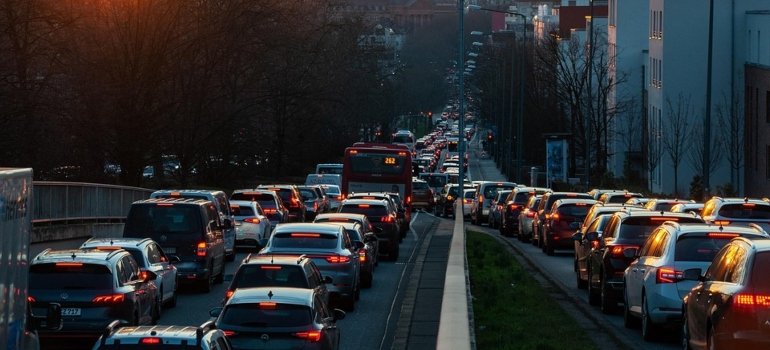
Average commute time: 60–120 minutes (or more with traffic)
-
Cost: Gas, tolls, parking—easily $500+ a month
-
Reliability: Low during rush hour; traffic can be heavy and unpredictable
Parking in Manhattan can be a major hassle (and expensive). That is why some people use business storage NYC companies recommend to keep items close without needing to haul them back and forth from the suburbs.
Each commute option has its pros and cons, and what works best often depends on where you live and how much flexibility you have. The key is finding the right balance between time, cost, and convenience.
Storage tips for commuters with limited home space
Living in the suburbs often means more space than a city apartment, but not always. If you’re renting a smaller place, sharing with roommates, or just trying to keep things tidy while juggling work in the city, smart storage solutions can make all the difference.
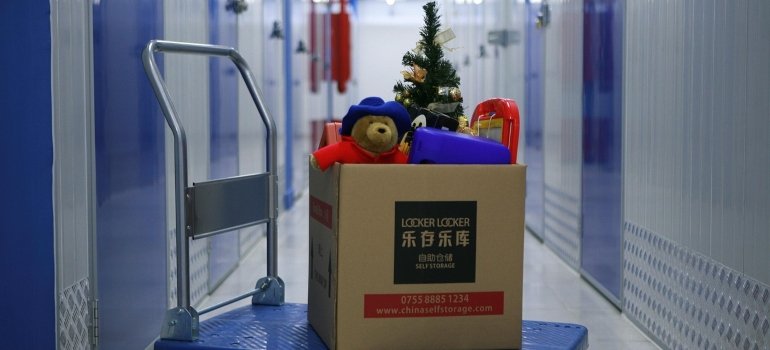
NYC apartment storage can be a great option if you find yourself hauling items back and forth or need a place to keep seasonal clothes, sports gear, or work supplies. Instead of cluttering your car or cramming everything into your bedroom, renting a small storage unit near your office or transit stop can help you stay organized and stress-free.
If you work or travel through uptown Manhattan, storage units Harlem residents use are a convenient and affordable solution. You can store items you don’t use daily but still want nearby—like business attire, extra shoes, or supplies for city-based hobbies. This keeps your suburban home clear and your work life running smoothly.
For even closer access, storage East Harlem residents recommend puts you just minutes from major subway lines and bus routes. It’s especially useful for commuters who live farther out but want a “city locker” to lighten their load. Whether it’s a quick wardrobe change or dropping off your gym bag, local storage adds flexibility to your routine without taking over your living space.
With the right storage strategy, you can enjoy suburban living while keeping your city work life organized and clutter-free.
Financial trade-offs: rent vs. transit costs
One of the biggest questions commuters face is whether the money saved on lower suburban rent is worth the cost—and time—of getting into Manhattan every day. It’s a tricky balance, and the answer depends a lot on your priorities and lifestyle.
In the suburbs, rent is usually more affordable. You might find a spacious two-bedroom for what a studio would cost closer to the city. But once you factor in monthly train or bus passes, gas, tolls, and parking, your commuting costs can quickly add up. Sometimes they can reach $500 or more each month. Over time, that eats into your savings and adds to daily stress.
On the other side, moving closer to Manhattan can mean sky-high rent. However, this means less spent on transit and more hours in your day. If you’re considering making the move but don’t want to sacrifice too much space, using storage Lower Manhattan locals usually rent can be a smart way to make a smaller apartment more livable. You can rotate seasonal items or store bulkier things nearby without cluttering your space.
Even if you’re staying put in the suburbs, having access to Manhattan storage NYC residents trust can give you flexibility without the full-time cost of city living. It’s especially helpful if you work long hours or need to keep city-based items—like work files, clothes, or gear—nearby but out of your way at home.
In the end, it’s about finding the right mix. For some, the peace and space of the suburbs are worth the daily commute. For others, saving time and staying closer to work makes more sense. It does not even matter if it means downsizing and getting creative with storage.



Reviews

Pavel Nikolskii
a month ago

This is my first experience renting a mini storage unit. I really liked it. Clean, quiet, calm, warm. There are convenient places to unload the car. Convenient access from the street. There is also a ramp for a cart. There are several spacious elevators. All elevators are clean and work. The storage unit itself has wooden flooring. Not far from the subway station. The polite employee patiently explained to me everything I wanted to know. Answered all my questions. Showed me several different storages. Explained the pricing. I am happy that I finally have a good place to store my things.


